Use recycled items to modernize your home: Here's how
What's the story
Creating a cozy reading nook doesn't have to cost a fortune. With recycled materials, you can craft a warm and inviting space for your reading sessions without breaking the bank. Not only does this approach save money, but it also promotes sustainability by giving new life to old items. Here are some practical tips on how to use recycled materials to design an affordable, cozy nook.
Pallet seating
Transform old pallets into seating
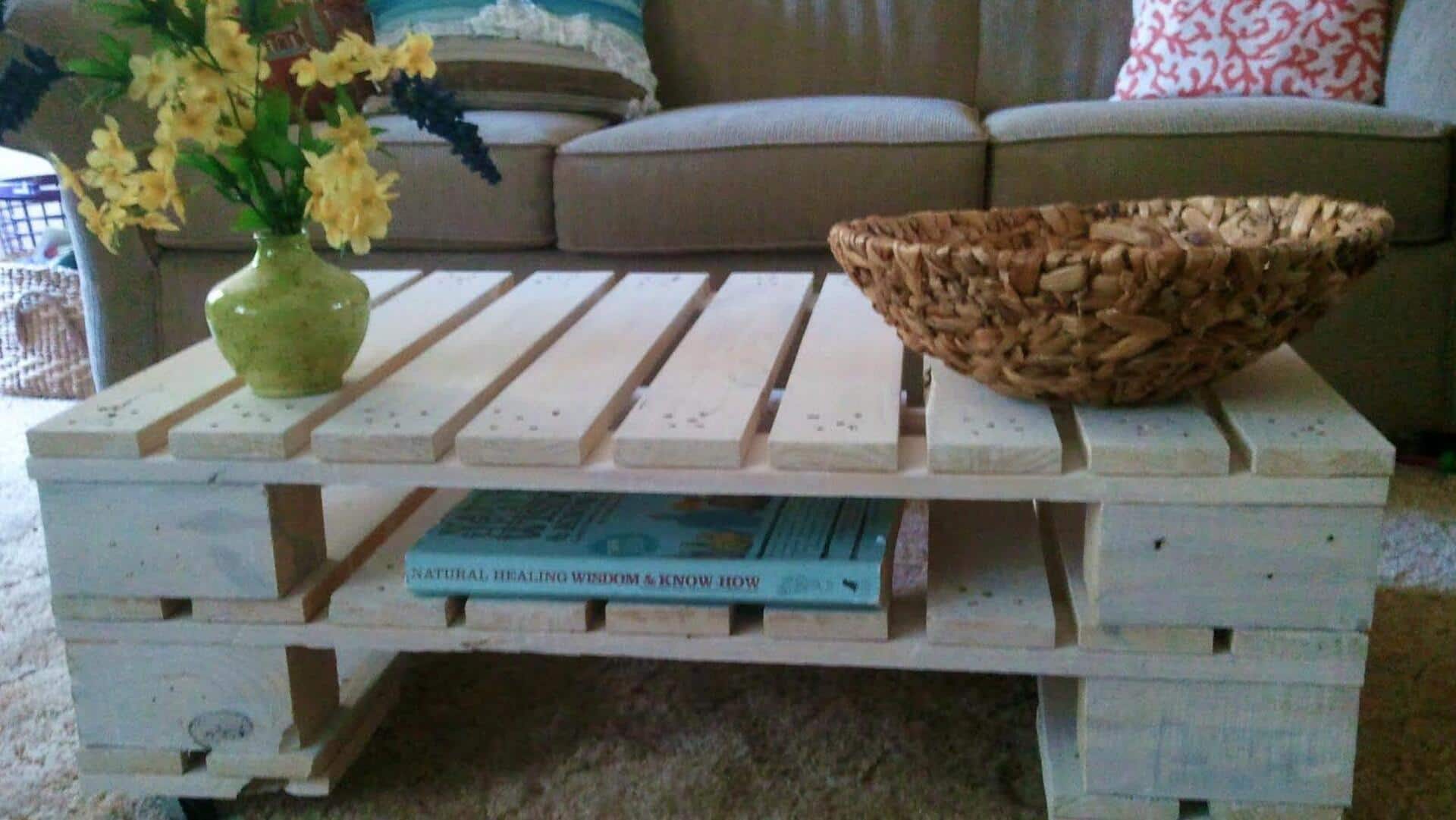
Old wooden pallets can be repurposed into comfortable seating for your reading nook.
Sand them down to remove rough edges and paint or stain them in colors that match your decor.
Add cushions made from recycled fabric scraps for extra comfort.
This not only provides seating but also adds a rustic charm to your space.
Jar lights
Use jars for lighting solutions
Glass jars can easily be turned into unique lighting fixtures for your reading nook.
Fill them with LED string lights and hang them around the area or place them on shelves for ambient lighting.
This inexpensive lighting solution adds warmth and makes the nook inviting without using too much electricity.
Crate shelves
Create shelves from old crates
Old wooden crates make for great shelves to display books and decorative items in your reading nook.
Simply clean and paint the crates in your preferred color, then mount them on walls or stack them as standalone units.
These shelves provide practical storage while adding character to the space.
Fabric cushions
Craft cushions from recycled fabrics
Recycled fabrics make for the best materials to sew cushions for your reading nook.
Use old clothes or textiles that are no longer in use, and stitch them into cushion covers.
Not only does this save money, but it also gives you the opportunity to customize your cushions in different patterns and colors that suit your style.
Textile rug
Design a rug with leftover textiles
Leftover textiles can be woven together to create a unique rug that defines your reading nook's space.
Cut pieces of fabric into strips and braid or sew them together into a larger mat.
This DIY project gives you a one-of-a-kind rug while keeping costs low with materials you already have.