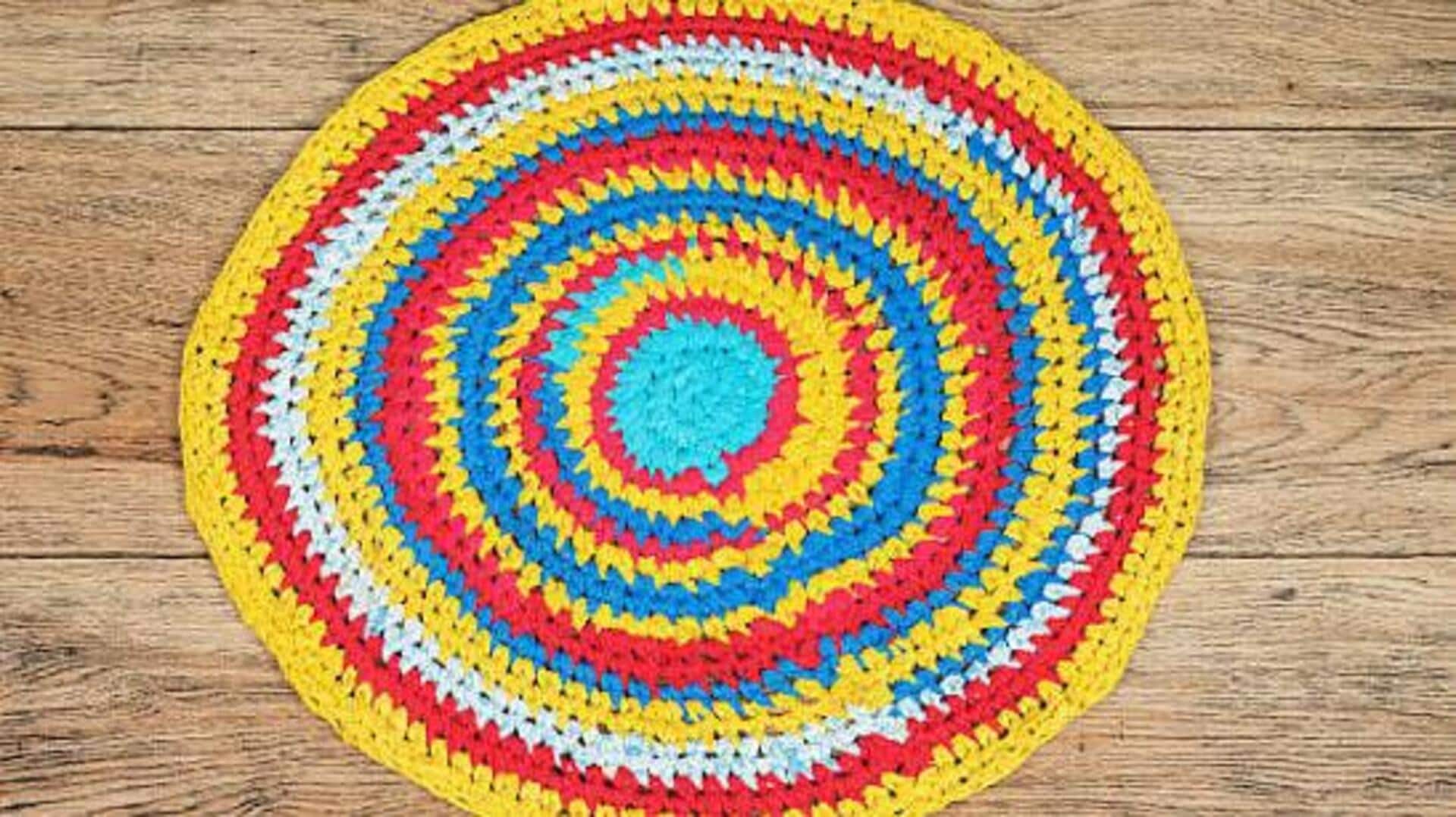
How to make rugs with fabric scraps
What's the story
African fabric scrap weaving is a unique art form that combines creativity with sustainability. By using leftover pieces of fabric, artisans create vibrant, intricate designs for rugs. This practice not only reduces waste but also preserves cultural heritage. The process involves selecting colorful scraps and weaving them together to form cohesive patterns. It offers an accessible way for individuals to engage in crafting while contributing to environmental conservation.
Fabric choice
Selecting the right fabrics
Choosing the right fabrics is essential for successful rug weaving.
Look for durable materials like cotton or linen that can withstand wear and tear.
Mixing different textures and colors can add depth to your design.
Consider using scraps from traditional African textiles, as they often feature bold patterns and rich hues that enhance the visual appeal of your rug.
Setup tips
Preparing your workspace
A well-organized workspace is key to efficient weaving. Start by laying out all your fabric scraps within reach.
A sturdy loom or frame will keep your project taut while you work on it.
Make sure good lighting is available so you can see the details of each piece as you weave them together.
Technique insights
Weaving techniques explained
Start by threading your loom with a base yarn that runs vertically across the width of your rug.
Secure each fabric scrap by tucking its edges under this base yarn, weaving horizontally across the vertical threads until you achieve the desired length and width.
Experiment with different weaving patterns, like plain weave or twill weave, to add texture and interest to your rug.
Final steps
Finishing touches for your rug
Once you've reached the desired size, trim any excess fabric scraps, ensuring all edges are neatly tucked under or secured with stitches, if necessary.
You may also want to add a backing material for extra durability, especially if the rug will be placed in high-traffic areas of your home.