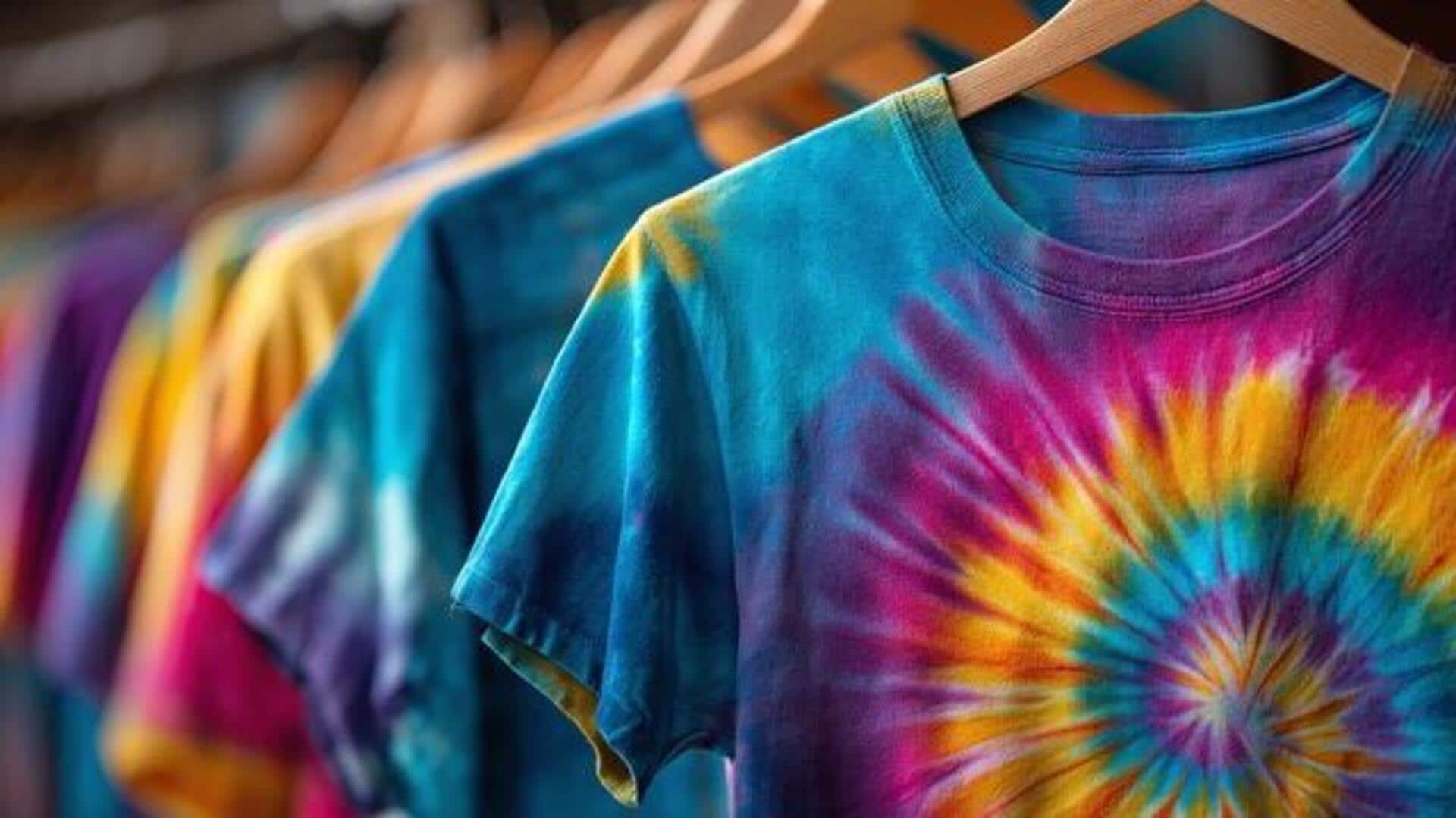
Creative tie-dye methods to try at home
What's the story
African tie-dye, also known as African batik, is a traditional art form that uses wax-resist dyeing techniques to create intricate patterns on fabric. However, not everyone has access to traditional tools or materials. Fortunately, there are innovative ways to achieve similar effects without them. Here are some creative methods and tips for achieving vibrant tie-dye patterns using readily available resources and techniques.
Tip 1
Using household items for patterns
Household items like rubber bands, string, and even plastic bags can be used to create unique patterns on fabric.
By twisting and binding the fabric tightly with these materials before applying dye, you can achieve interesting designs reminiscent of traditional African tie-dye.
This method is cost-effective and easily accessible for those looking to experiment with tie-dye at home.
Tip 2
Natural dyes from kitchen scraps
Natural dyes can be made from kitchen scraps like onion skins, beetroot peels, and turmeric powder.
These ingredients provide vibrant colors and are eco-friendly alternatives to synthetic dyes.
Boiling these scraps in water creates a natural dye solution that can be applied to the fabric for an authentic look.
This method not only reduces waste but also gives a unique touch to your tie-dye projects.
Tip 3
Alternative binding techniques
Instead of traditional wax-resist techniques, try using glue or starch as a binding agent.
Apply these substances in desired patterns on the fabric before dyeing.
Once dried, they act as resist areas where the dye cannot penetrate, creating distinct designs similar to those achieved through wax-resist methods.
This technique offers an easy way to experiment with new patterns without needing specialized tools.
Tip 4
Experimenting with different fabrics
Different fabrics absorb dye differently and can yield varying results when it comes to tie-dyeing.
Cotton is commonly used because of its absorbent nature, but experimenting with other materials like silk or linen can lead to unexpected and beautiful outcomes.
Each fabric type brings its own texture and appearance when dyed, adding another layer of creativity to your projects.