How to keep your cutting board in top shape
What's the story
Maintaining the longevity of your cutting boards is essential for both hygiene and functionality in the kitchen. With proper care, you can ensure that your cutting boards remain in good condition for years to come. Here are some practical tips to help you keep your cutting boards well-maintained. These simple yet effective practices will help you prolong the life of this essential kitchen tool.
Tip 1
Regular cleaning practices
Regular cleaning is key to keeping your cutting boards in good shape.
After every use, wash them with warm water and mild soap.
Avoid soaking them in water or putting them in the dishwasher, as this can warp or crack the wood.
For plastic boards, a thorough scrub with a brush can help remove any food particles and bacteria.
Tip 2
Deep cleaning techniques
Occasionally, give your cutting board a deep clean.
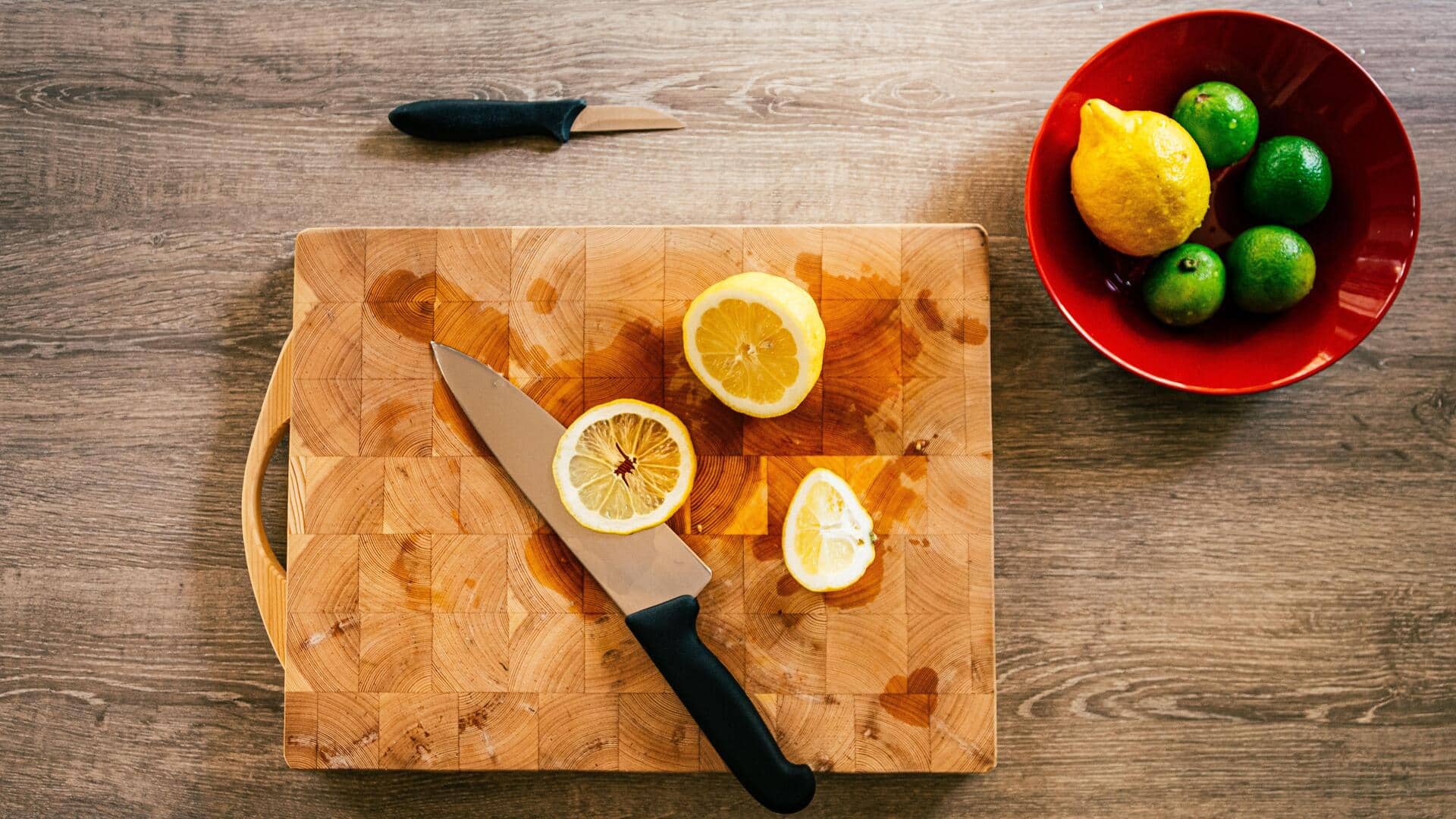
Sprinkle coarse salt over the surface and rub it with half a lemon to scrub away stains and odors.
This natural method is effective in sanitizing without using harsh chemicals.
Rinse well with warm water after cleaning to remove any residue.
Tip 3
Oiling your cutting board
To prevent your wooden cutting board from drying out and cracking, oil it regularly.
Use food-grade mineral oil or beeswax-based products specifically meant for kitchenware.
Apply a generous amount of oil on the board's surface and let it soak overnight. Then, wipe off any excess with a clean cloth.
Tip 4
Avoid cross-contamination
To avoid cross-contamination, it is best to use separate cutting boards for different food types.
One board should be dedicated to raw foods and another for fruits, vegetables, or cooked foods.
This practice not only keeps your food safe but also prevents strong flavors from mixing on the same surface.
Tip 5
Storing your cutting board properly
Proper storage is key to keeping your cutting board in good shape.
Store it upright instead of stacking it with other items, so that air circulates around it.
Keep it away from direct sunlight or heat sources that could warp or fade its surface over time.