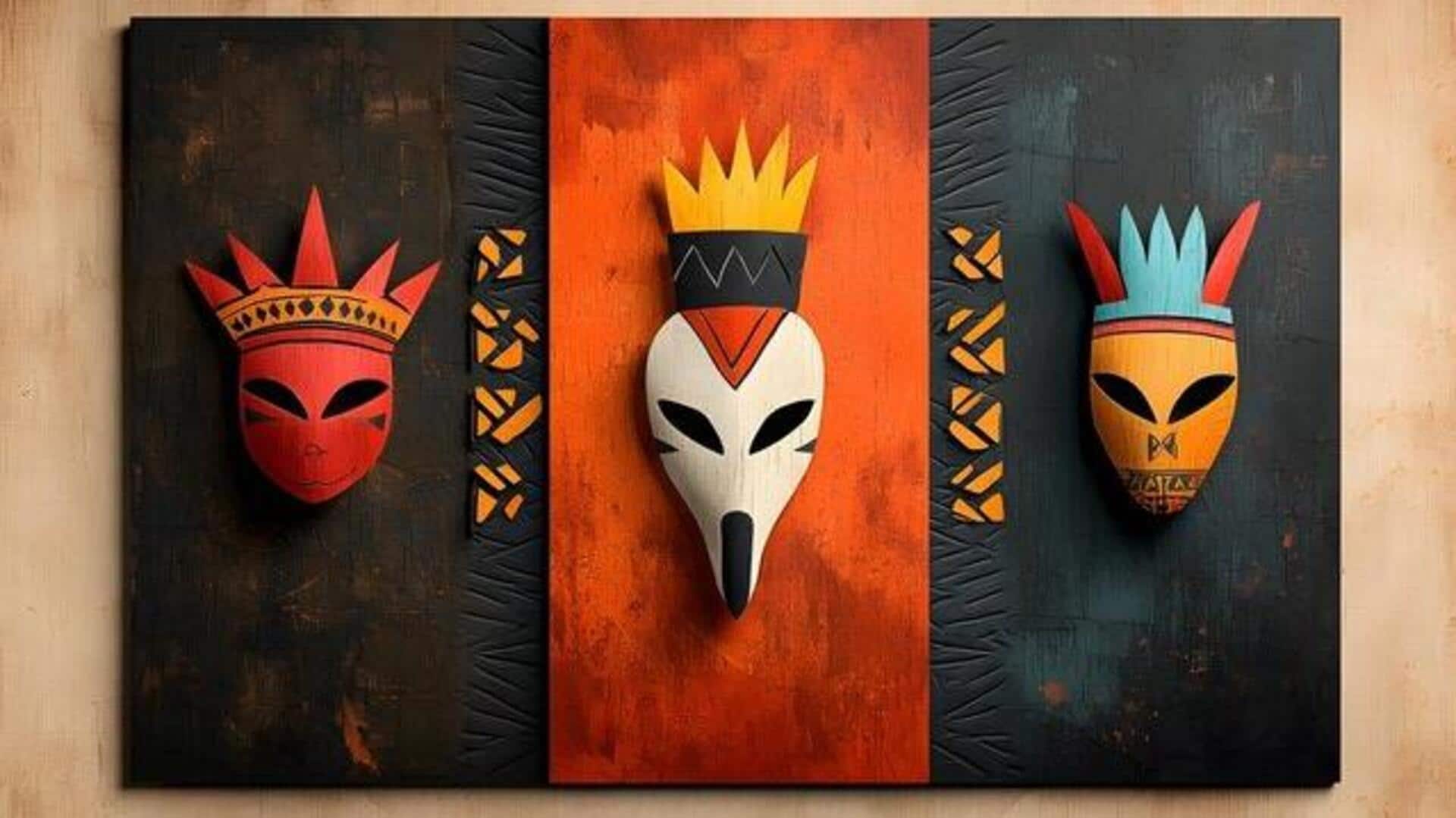
How to make antelope masks at home
What's the story
Bambara antelope masks are an important part of African art and culture. These masks are famous for their unique designs and cultural significance. Making these masks from recycled materials is a sustainable way to preserve tradition while promoting environmental awareness. By using everyday items, artists can create stunning pieces that pay homage to the original designs. This practice not only reduces waste but also encourages creativity and innovation in art.
Material selection
Choosing suitable recycled materials
Selecting the right materials is key to making Bambara antelope masks.
Commonly used recycled materials include cardboard, plastic bottles, and old newspapers.
These items are easy to find and can be molded or painted to resemble traditional mask features.
The choice of material will depend on the desired texture, durability, and aesthetic appeal of the final piece.
Design planning
Designing the mask
Designing a Bambara antelope mask requires careful planning to capture its distinctive features.
Artists should study traditional designs to understand their shapes, patterns, and proportions.
Sketching out a design beforehand can help visualize how the recycled materials will come together.
Consideration should be given to how each material will contribute to the overall look of the mask.
Construction process
Assembling the mask
Once materials are selected and designs planned, it is time to assemble the mask.
Start by cutting out shapes from cardboard or other sturdy materials as a base structure.
Use glue or tape to attach different parts securely, and incorporate plastic bottles for horns or other features by cutting them into desired shapes before attaching them firmly onto the base.
Finalization steps
Painting and finishing touches
Painting is an essential step in bringing Bambara antelope masks to life with vibrant colors that reflect their cultural significance.
Use eco-friendly paints whenever possible for sustainability purposes.
Add details like beads or fabric scraps for texture enhancement after painting has dried completely.
This ensures that all elements remain intact throughout handling processes later on during exhibitions, etc.