How to make sustainable jute baskets
What's the story
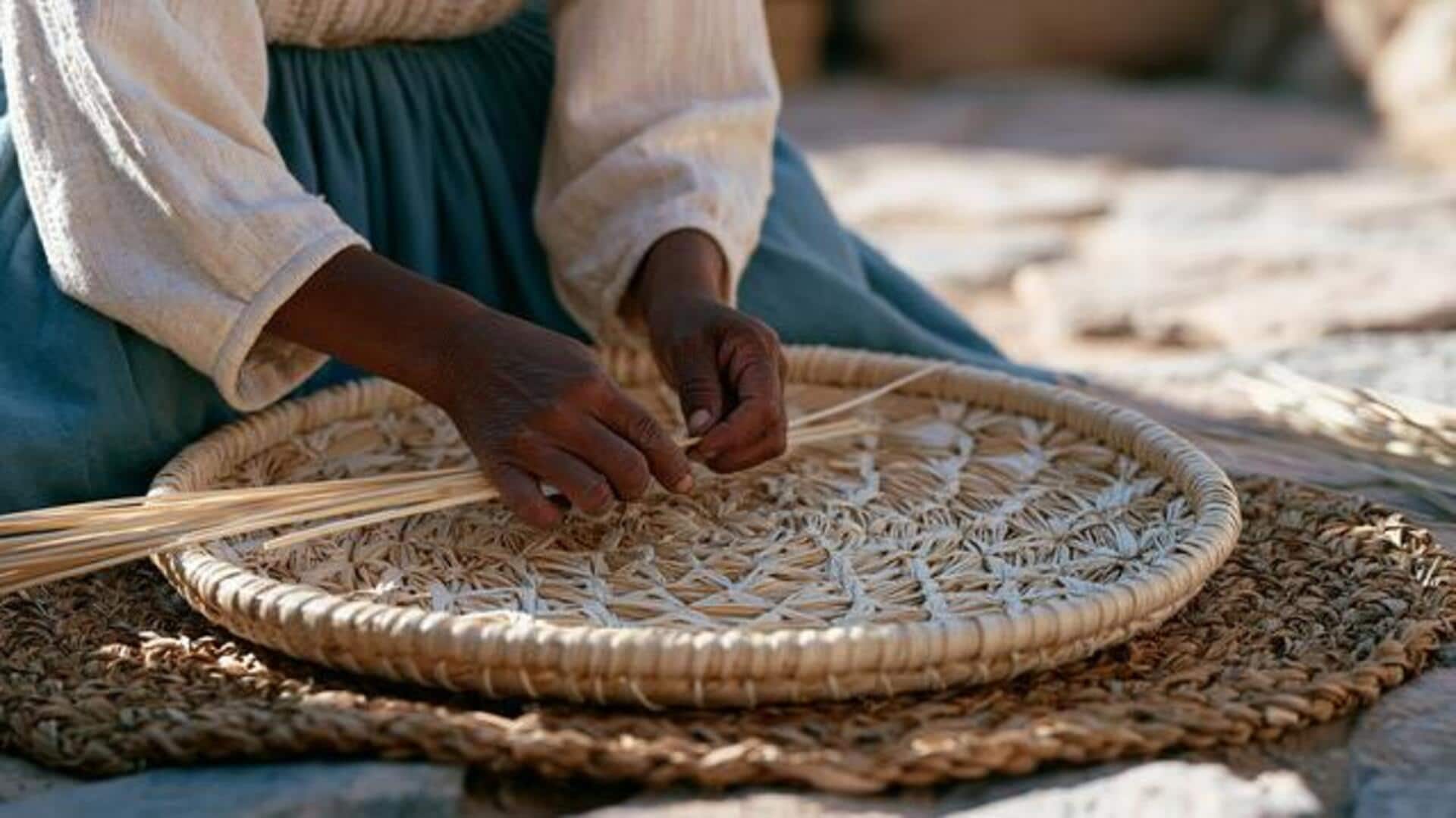
African jute baskets are a perfect blend of sustainability and craftsmanship. These baskets, made from natural jute fibers, are not only durable but also eco-friendly. The art of making these baskets has been passed down through generations, showcasing the rich cultural heritage of Africa. By learning this craft, you can contribute to sustainable practices while embracing a unique artistic tradition. Here are some insights into creating these timeless pieces.
#1
Sourcing quality jute fibers
To make authentic African jute baskets, sourcing quality jute fibers is important.
Jute is usually grown in tropical regions with a humid climate.
When selecting jute fibers, make sure they are clean and free from impurities. Good quality fibers ensure that the basket is strong and retains its shape over time.
Sustainable sourcing practices also help support local farmers and promote environmental conservation.
#2
Mastering traditional weaving techniques
Weaving techniques used in African jute baskets are traditional ones that have been perfected over centuries.
The techniques include interlacing the fibers tightly to create a sturdy structure.
Learning these techniques requires patience and practice, but pays off with beautiful patterns and designs.
Watching skilled artisans or following detailed tutorials can help beginners master these techniques effectively.
#3
Incorporating vibrant colors
While natural jute has its own charm, adding colors can make your baskets even more attractive.
You can use natural dyes from plants or other eco-friendly coloring agents to color the fibers before weaving them into the basket.
This way, you can keep the sustainability quotient intact while adding a personal touch to your creations.
#4
Marketing your handmade baskets
Once you've mastered the art of making African jute baskets, think of ways to market your creations sustainably.
Local craft fairs, or online platforms dedicated to handmade goods, can be great places to showcase your work.
Highlighting the sustainable aspects of your products can attract eco-conscious customers looking for unique, handcrafted items that support ethical practices.