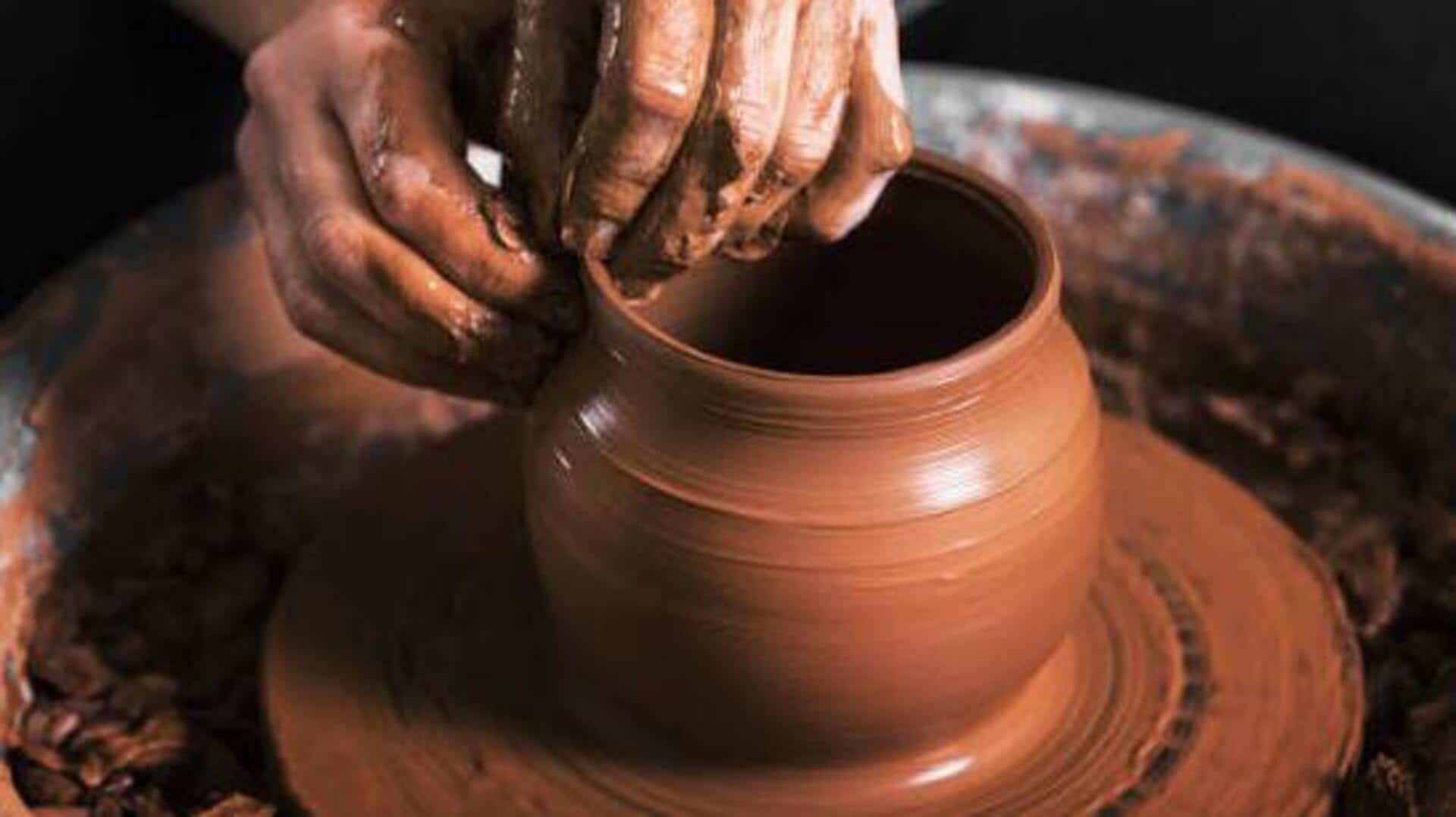
How potters can make their craft more eco-friendly
What's the story
African pottery is famous for its unique designs and cultural significance. The art of creating these beautiful pieces has been passed down through generations. Today, the focus is on sustainable practices that not only preserve the environment but also keep traditional techniques alive. Here are five innovative ways to make African pottery more sustainable, ensuring that this cherished craft can be enjoyed by future generations.
#1
Utilizing local clay resources
Using local clay resources is an important step towards sustainable pottery.
By sourcing materials locally, artisans reduce transportation emissions and support their local economies.
Local clay often has unique properties that contribute to the distinctiveness of each piece.
This practice also promotes community engagement and helps preserve traditional methods of extraction and processing.
#2
Implementing eco-friendly firing techniques
Firing techniques have a huge role to play in the sustainability of pottery.
Eco-friendly methods, such as using solar energy or biomass fuels, minimize carbon emissions considerably compared to traditional firing methods.
These techniques not only minimize environmental impact but also give artisans the opportunity to experiment with different finishes and textures.
#3
Incorporating recycled materials
Recycling materials is a great way to make African pottery more sustainable.
By incorporating recycled glass or other materials into their designs, artisans can create unique textures and colors while reducing waste.
This practice not only conserves resources but also encourages creativity in design.
#4
Educating communities on sustainable practices
Educating communities about sustainable practices is essential for the growth of eco-friendly pottery.
Workshops and training sessions can help artisans learn about the latest techniques and the importance of sustainability.
By spreading awareness, communities can work together toward greener goals that benefit everyone involved in the production process.
#5
Promoting fair trade opportunities
Fair trade opportunities ensure artisans are paid fairly for their work, while promoting sustainable practices.
By connecting with fair trade organizations, potters can reach a wider market that values ethical production methods.
This not only improves the livelihoods of artisans but also promotes the growth of sustainable pottery across Africa.