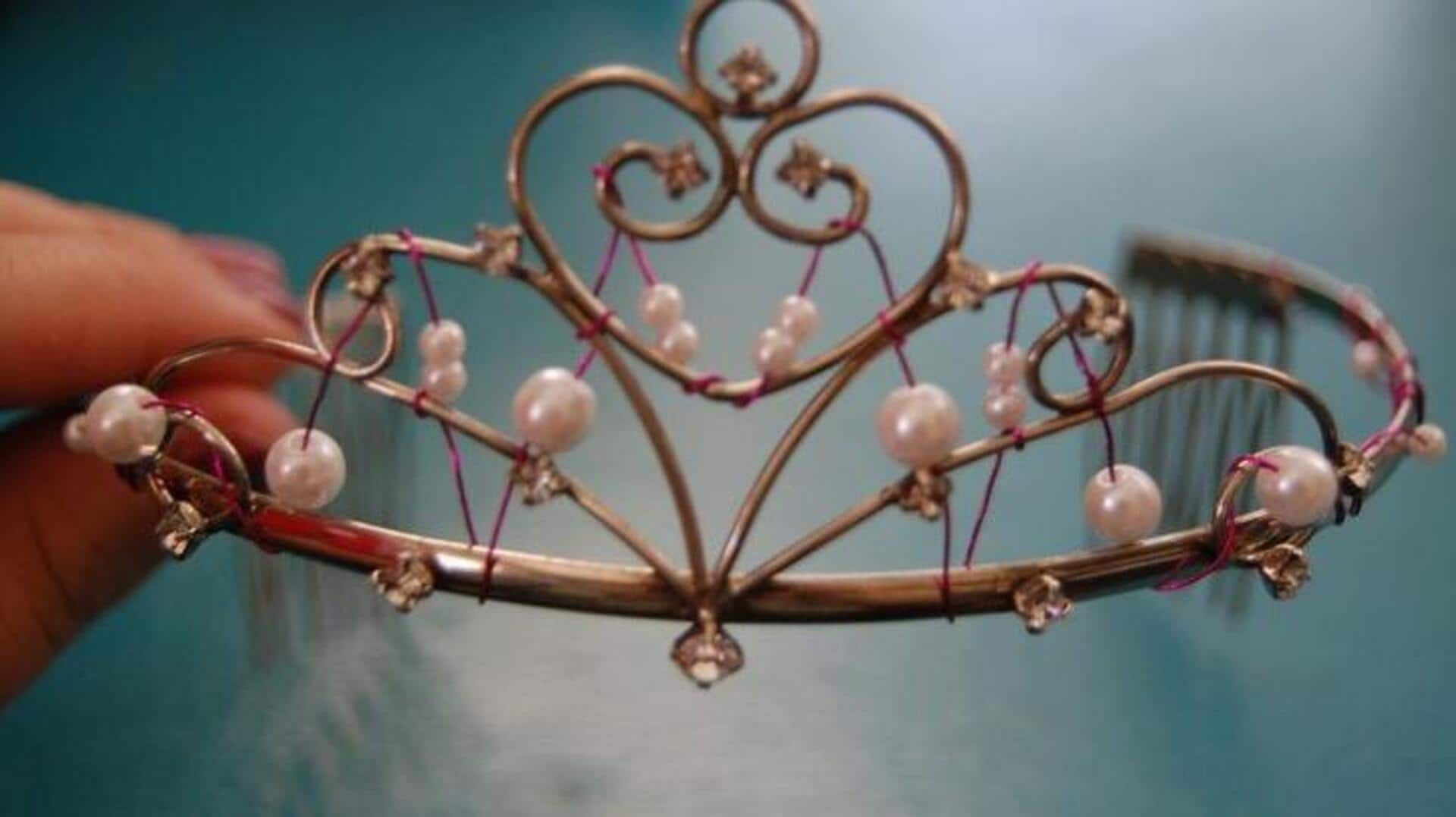
How to make tiara headdresses using recycled wire
What's the story
Creating African tiara headdresses from recycled wire is a fascinating way to blend creativity with sustainability. These headdresses are not just beautiful but also deeply rooted in cultural significance. By using recycled materials, artisans can craft unique pieces that honor tradition while promoting environmental responsibility. This practice not only preserves cultural heritage but also encourages innovative solutions to reduce waste and support local economies.
#1
Choosing the right materials
Selecting appropriate materials is key to making African tiara headdresses.
Recycled wire is preferred because of its flexibility and durability. It can be easily molded into intricate designs without losing strength.
Other elements, like beads, shells, or fabric scraps, can be added to enhance the aesthetic appeal.
These materials are often readily available and inexpensive, making them accessible for many artisans.
#2
Designing intricate patterns
Designing intricate patterns is what makes these headdresses so unique.
Artisans usually draw inspiration from traditional African motifs, incorporating geometric shapes and natural elements into their designs.
The patterns are meticulously crafted by hand, ensuring each piece is one of a kind.
This attention to detail not only showcases the artisan's skill but also adds cultural significance to the final product.
#3
Assembling the headdress
Assembling an African tiara headdress involves weaving the recycled wire into a sturdy base.
This base serves as the framework for adding decorative elements like beads or shells.
The process requires patience and precision, as each component must be securely attached without compromising the overall structure.
Once assembled, these headdresses are both lightweight and comfortable to wear.
#4
Promoting cultural heritage through art
Promoting cultural heritage through art is a major benefit of making African tiara headdresses from recycled wire.
These pieces are often worn at cultural events or ceremonies, serving as a symbol of identity and pride within communities.
By continuing this tradition, artisans help preserve their cultural legacy while also educating others about its significance through their craftsmanship.