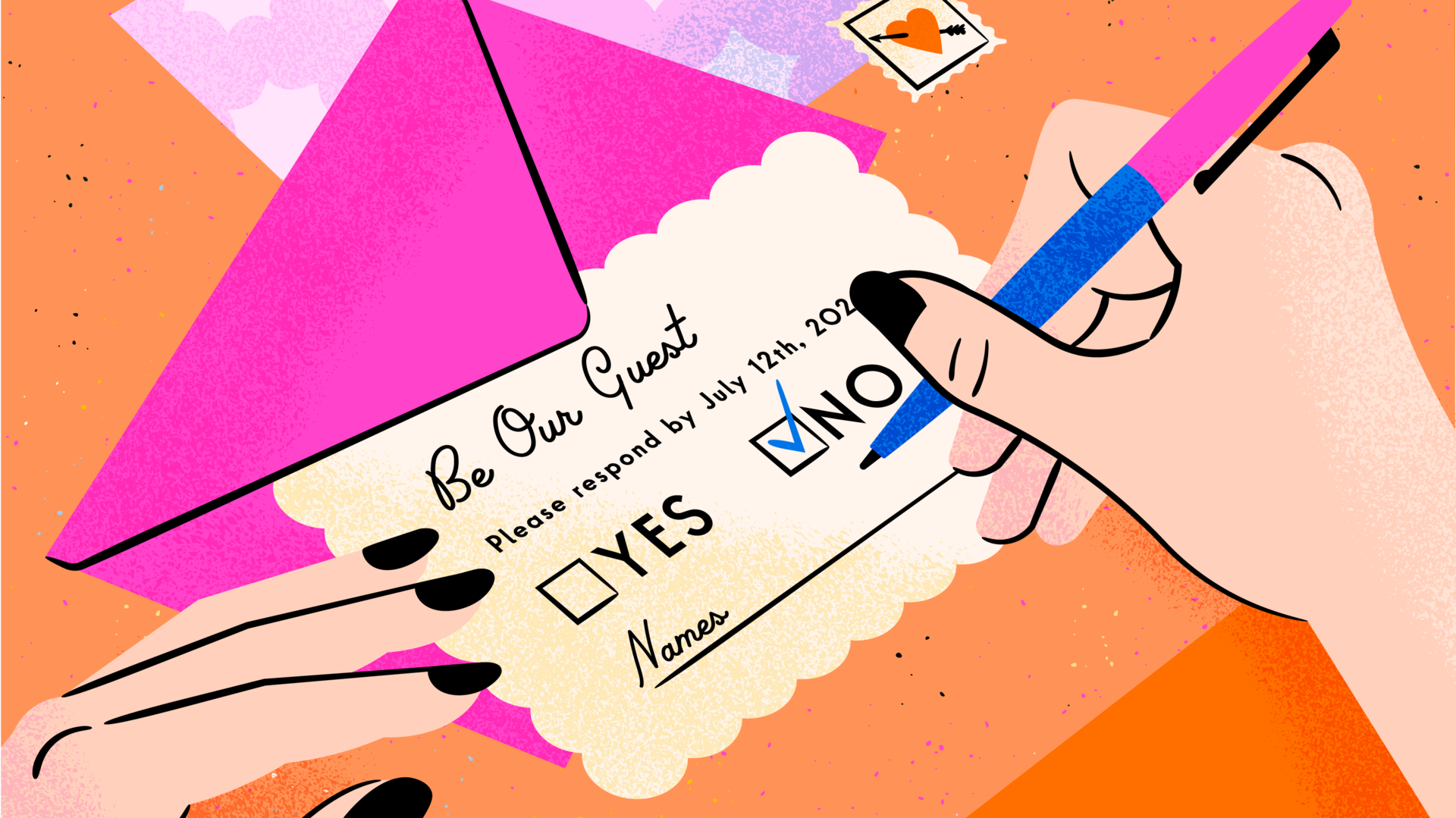
How to politely turn down an invitation
What's the story
Turning down an invitation can be tricky, especially when you want to stay polite and respectful. Be it a social gathering or a professional event, knowing how to decline gracefully is an important skill. Here are five effective strategies that can help you navigate such situations without hurting feelings or creating awkwardness. Each method offers a different approach, letting you choose the one that best fits your circumstances.
Tip 1
Express gratitude first
Start by thanking the host for their invitation. This sets a positive tone and shows appreciation for being considered. A simple "Thank you so much for inviting me" can go a long way in softening the blow of your decline. It acknowledges their effort in including you, even if you can't attend.
Tip 2
Be honest but brief
Being honest about your reasons, without going into too much detail, is key. You can say something like, "I have prior commitments," or "I won't be able to make it this time." Keeping it brief prevents unnecessary probing and keeps the focus on your message instead of justifying it.
Tip 3
Suggest an alternative meeting time
If appropriate, propose an alternative time to connect or meet up. This shows that while you can't attend this particular event, you still value the relationship and want to engage at another time. For example, suggest grabbing coffee next week instead of attending the event.
Tip 4
Offer a compliment or positive note
Adding a compliment or positive note about the event or host can make your decline sound less negative. You could say something like, "I'm sure it will be a wonderful gathering," or "I really admire what you're doing with this event." This keeps the conversation upbeat.
Tip 5
Use formal language for professional invites
For professional invitations, stick to formal language to maintain professionalism. Use phrases like "Regrettably, I must decline due to scheduling conflicts," instead of casual language. This approach ensures clarity and maintains the decorum expected in professional settings. It makes it easier to communicate your unavailability while preserving professional relationships.