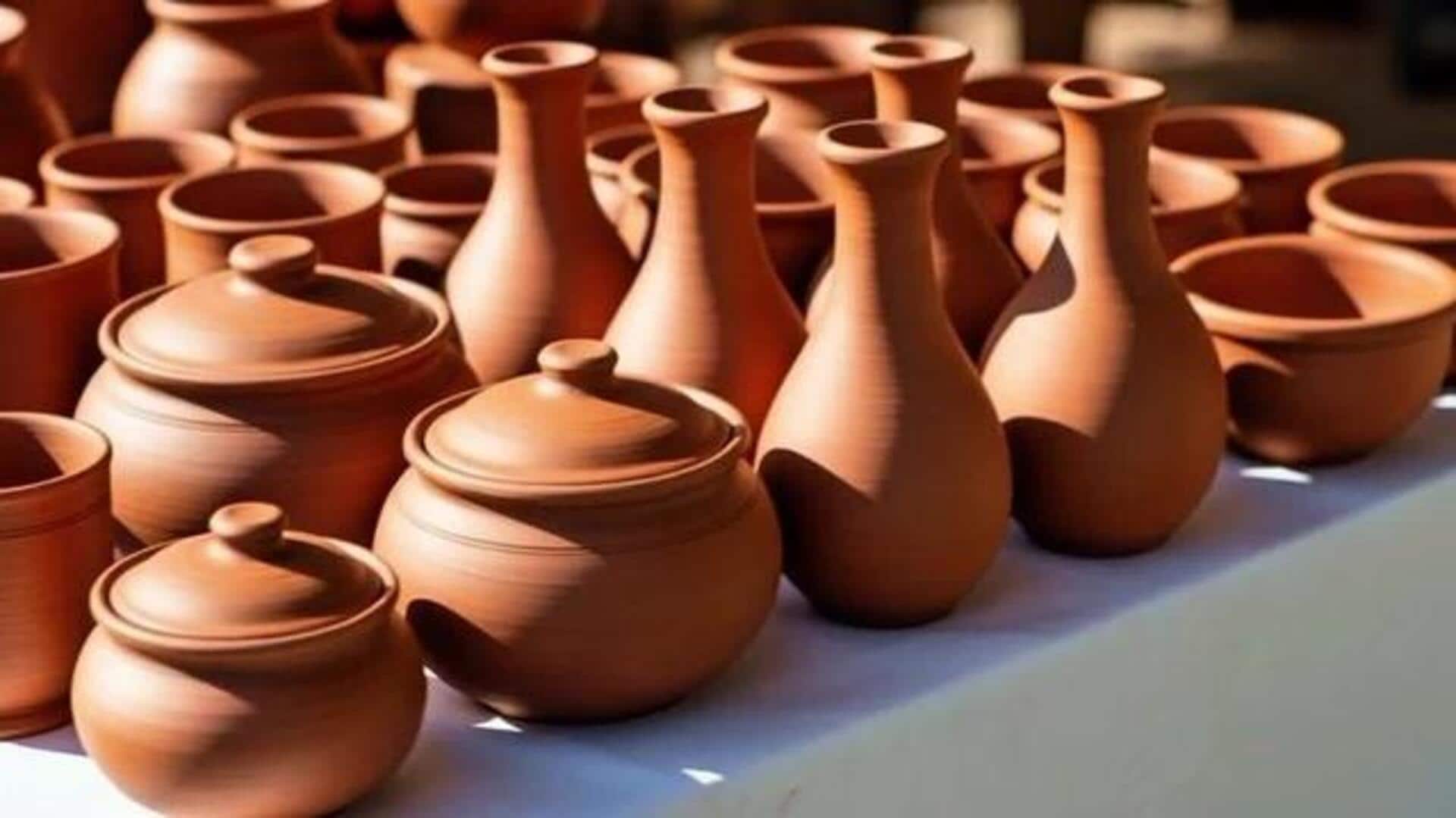
What to know before buying artisanal pottery
What's the story
African artisanal pottery is a true representation of the continent's rich cultural heritage. Sourcing these unique pieces can be an enriching experience, both personally and professionally. However, navigating the world of African pottery requires knowledge and understanding to ensure authenticity and quality. Here are some practical tips for sourcing African artisanal pottery effectively, ensuring you get the best pieces while supporting local artisans.
Cultural insight
Understand the cultural significance
Before sourcing African pottery, it is important to understand its cultural significance.
Each piece often tells a story or represents a tradition from the region it comes from.
Knowing the cultural background will help you appreciate the craftsmanship and make informed choices.
Engage with local artisans or experts who can provide insights into the historical context and meaning behind different styles.
Authenticity check
Identify authentic artisans
To ensure you're getting genuine African pottery, it's important to identify authentic artisans.
Visit local markets and fairs where artisans display their creations.
Look for those who have been trained through generations or are part of recognized cooperatives.
Authentic artisans usually have a deep understanding of their craft and use traditional methods that have been passed down through families.
Craftsmanship assessment
Evaluate quality craftsmanship
Evaluating the quality of craftsmanship is key to sourcing African pottery.
Look for signs of meticulous work, such as even shapes, smooth finishes, and intricate designs.
High-quality pieces are usually made with locally sourced materials and fired in traditional kilns.
Do not hesitate to ask artisans about their techniques to get a better understanding of what makes their work unique.
Sustainability focus
Support sustainable practices
When sourcing African pottery, it's important to support sustainable practices that benefit both artisans and the environment.
Choose pieces made from eco-friendly materials, and those produced using sustainable methods.
By doing so, you contribute to preserving natural resources while ensuring that artisans receive fair compensation for their work.
Relationship building
Build relationships with artisans
Building relationships with artisans can lead to better sourcing opportunities in the future.
Take time to visit workshops or studios where you can see how pieces are made firsthand.
Establishing rapport allows for more personalized service when sourcing specific items or commissioning custom work in the future.