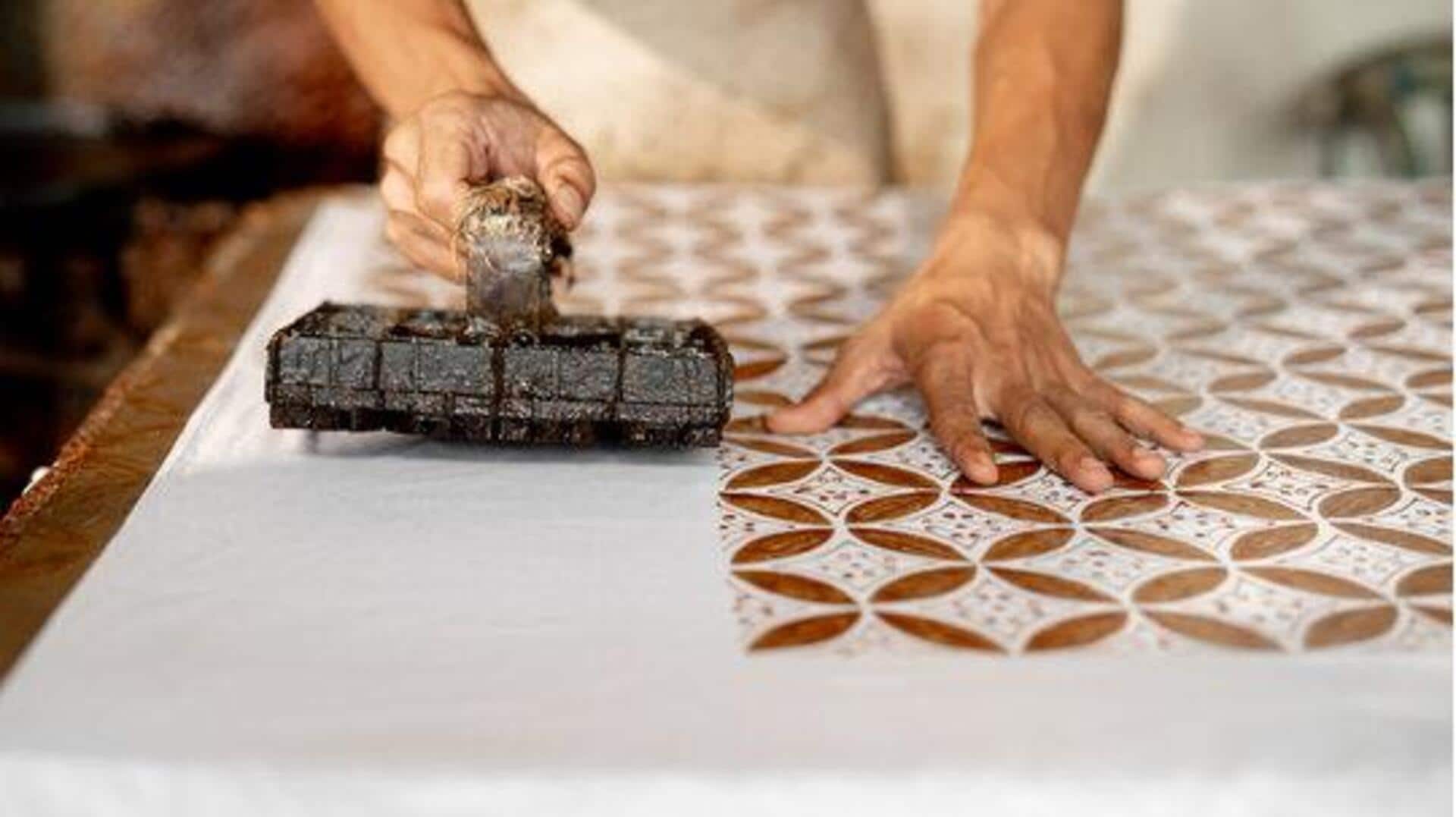
Fabric stamping: A beginner's guide to textile art
What's the story
African fabric stamping is a traditional art form that adds vibrancy and cultural significance to textiles. This technique involves using patterned fabrics as stamps to create unique designs on various surfaces. The process is both accessible and affordable, making it an ideal choice for those looking to explore creative possibilities without breaking the bank. Here are some insights into how you can get started with African fabric stamping on a budget.
Fabric selection
Choosing the right fabric
Selecting the right fabric is essential for successful stamping. Choose cotton or linen fabrics, as they absorb paint well and provide clear impressions. Look for remnants or off-cuts at local markets or online stores to save money. These pieces are often sold at discounted prices and can be just as effective as larger ones.
Paint choices
Affordable paint options
When it comes to paint, go for water-based fabric paints. They are inexpensive, easy to clean, and perfect for beginners. Buy them in small bottles so that you do not have to spend much at once. Some brands even offer starter kits with a few colors, which can be more economical than buying individual bottles.
Technique basics
Simple stamping techniques
Start with simple techniques like block printing or direct stamping with the fabric pieces dipped in paint. These methods do not require any special tools or equipment, making them perfect for beginners. Practice on scrap material before moving on to your final project to gain confidence and refine your technique.
DIY stamps
Creating your own stamps
Creating your own stamps from African fabrics is a cost-effective way to personalize your projects. Cut small pieces of fabric into desired shapes, and attach them to cardboard or foam board backing using glue or tape. This way, you can create custom designs without having to invest in pre-made stamps.
Pattern exploration
Experimenting with patterns
Exploring different patterns can take your creativity a notch higher without spending a lot more. Mix various fabric pieces together for unique combinations that reflect personal style and cultural influences. Experimenting with different colors and textures will also help you discover new possibilities within this art form, while keeping costs low.