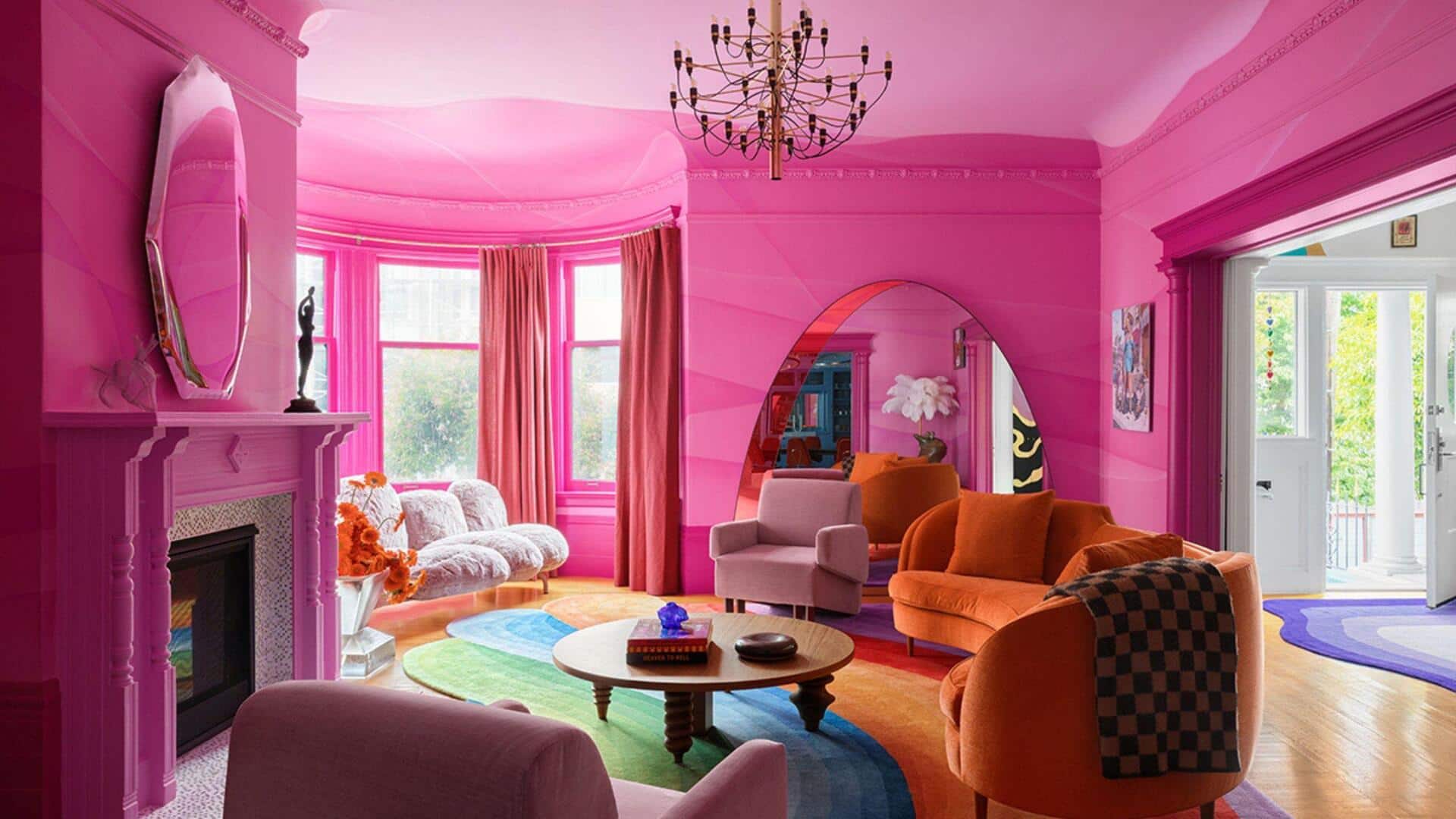
What's the role color psychology plays in interior design?
What's the story
Color psychology is a powerful tool in interior design, influencing moods and perceptions. By understanding how different colors affect emotions, designers can create spaces that resonate with specific feelings or atmospheres. This article delves into the psychological effects of various colors and their applications in interior design. From calming blues to energizing yellows, each hue offers unique benefits that can transform a room's ambiance.
#1
The calming effect of blue
Blue is often associated with calmness and tranquility.
It is a popular choice for bedrooms and relaxation spaces, as it helps reduce stress and promote serenity.
The cool tone of blue can create a peaceful environment, making it easier to unwind after a long day.
Using blue in interior design can be achieved through paint, furniture, or decorative accents to enhance the soothing atmosphere.
#2
Energizing yellow hues
Yellow is known for its vibrant energy and positivity. It stimulates mental activity and encourages communication, making it ideal for kitchens or workspaces.
The cheerful nature of yellow can uplift moods and create an inviting atmosphere for social interactions.
Incorporating yellow through walls or accessories adds warmth and brightness to any room.
#3
The warmth of red accents
Red is a color that evokes passion and excitement. It increases energy levels and stimulates appetite, making it perfect for dining rooms or creative spaces.
While too much red can be overwhelming, using it as an accent color through cushions or artwork adds dynamism without overpowering the senses.
#4
Green's restorative qualities
Green symbolizes nature, growth, and renewal. It has restorative qualities that promote balance and harmony within interiors.
Green shades work well in living rooms or areas where relaxation is key, since they bring freshness indoors while maintaining comfort levels.
Plants are also an excellent way to introduce green elements into design schemes naturally.
Tip 1
Neutral tones for versatility
Neutral tones like beige, gray, and white provide versatility in design because they go with everything else.
These colors provide a blank canvas that can be customized with other hues without clashing.
Neutral shades are ideal for those who prefer understated elegance over bold statements, as they provide subtle sophistication.