How natural dyes are used in textile art
What's the story
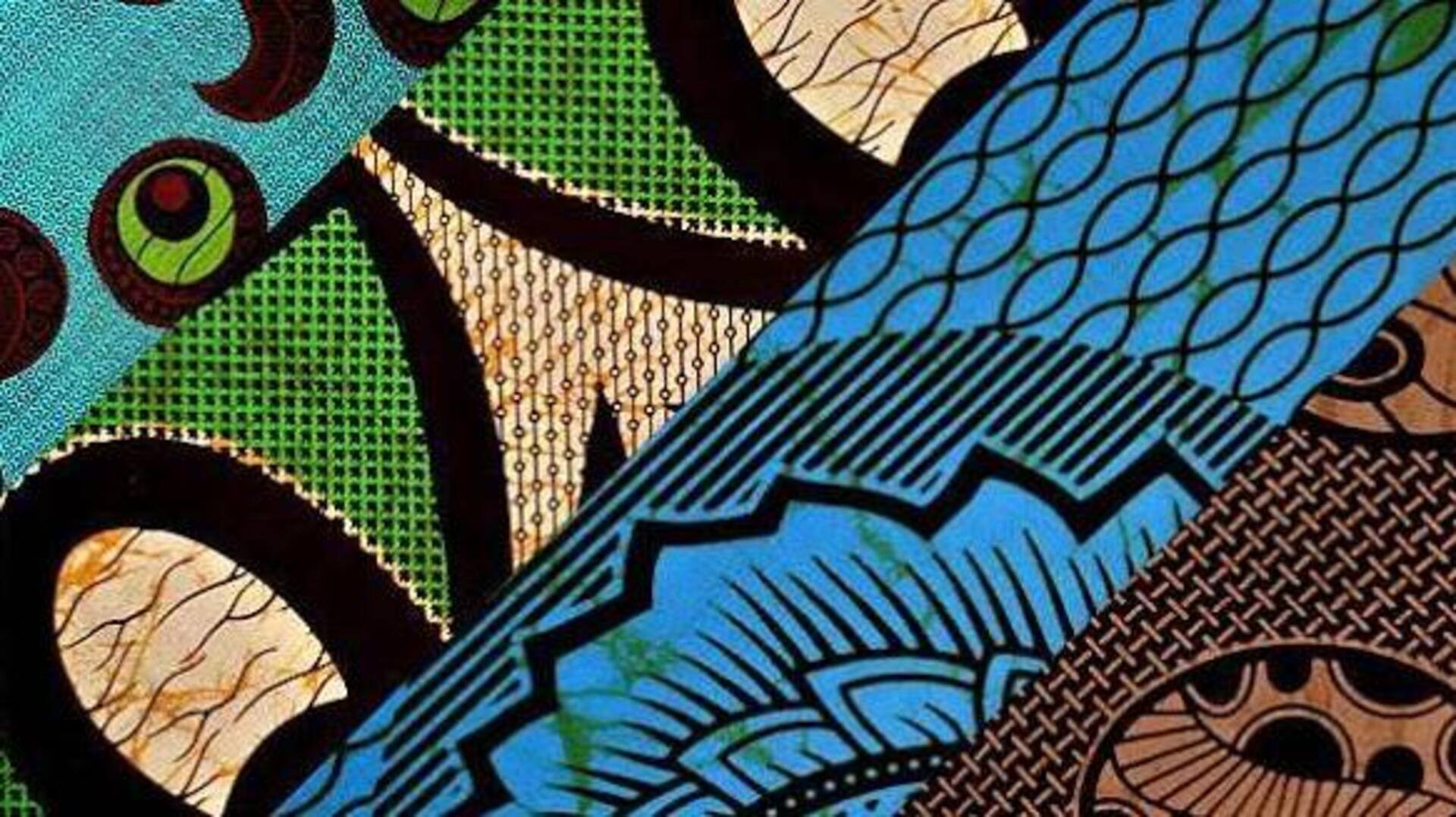
African textile art is famous for its vibrant colors and intricate patterns. The secret to these stunning designs is the use of natural dyes, which are eco-friendly and culturally significant. Using plant-based dyes, artisans can create stunning pieces that reflect their heritage. This article delves into the world of natural dyes, their application in African textiles, and how they can be used to create stunning designs.
#1
Sourcing natural dye materials
Natural dyeing begins with sourcing materials from plants, roots, and leaves.
Common sources include indigo for blue shades, hibiscus for reds, and turmeric for yellows.
These materials are often locally sourced to support sustainable practices and reduce environmental impact.
Artisans must understand the properties of each material to achieve desired color outcomes.
#2
Preparing dye solutions
Preparing dye solutions is key to getting the right color on textiles.
The process usually involves boiling the dye material in water until the desired color is achieved.
The solution is then strained to remove solid particles before use.
The concentration of the dye solution can be adjusted by adding more plant material or water, depending on the intensity required.
#3
Techniques for applying dyes
Various techniques are used to apply natural dyes onto fabrics, including tie-dyeing, batik, and resist dyeing methods.
Each technique offers unique patterns and effects that enhance the visual appeal of textiles.
Artisans often experiment with different techniques to create distinctive designs that showcase their creativity while honoring traditional practices.
#4
Challenges in natural dyeing
While natural dyeing is rewarding, it comes with its own challenges.
Consistency in color is hard to achieve, as it depends on various factors like weather conditions and plant variations.
Also, some natural dyes may fade faster than synthetic ones, unless proper care instructions are followed by consumers after purchase.