How to make a traditional shuka cloth
What's the story
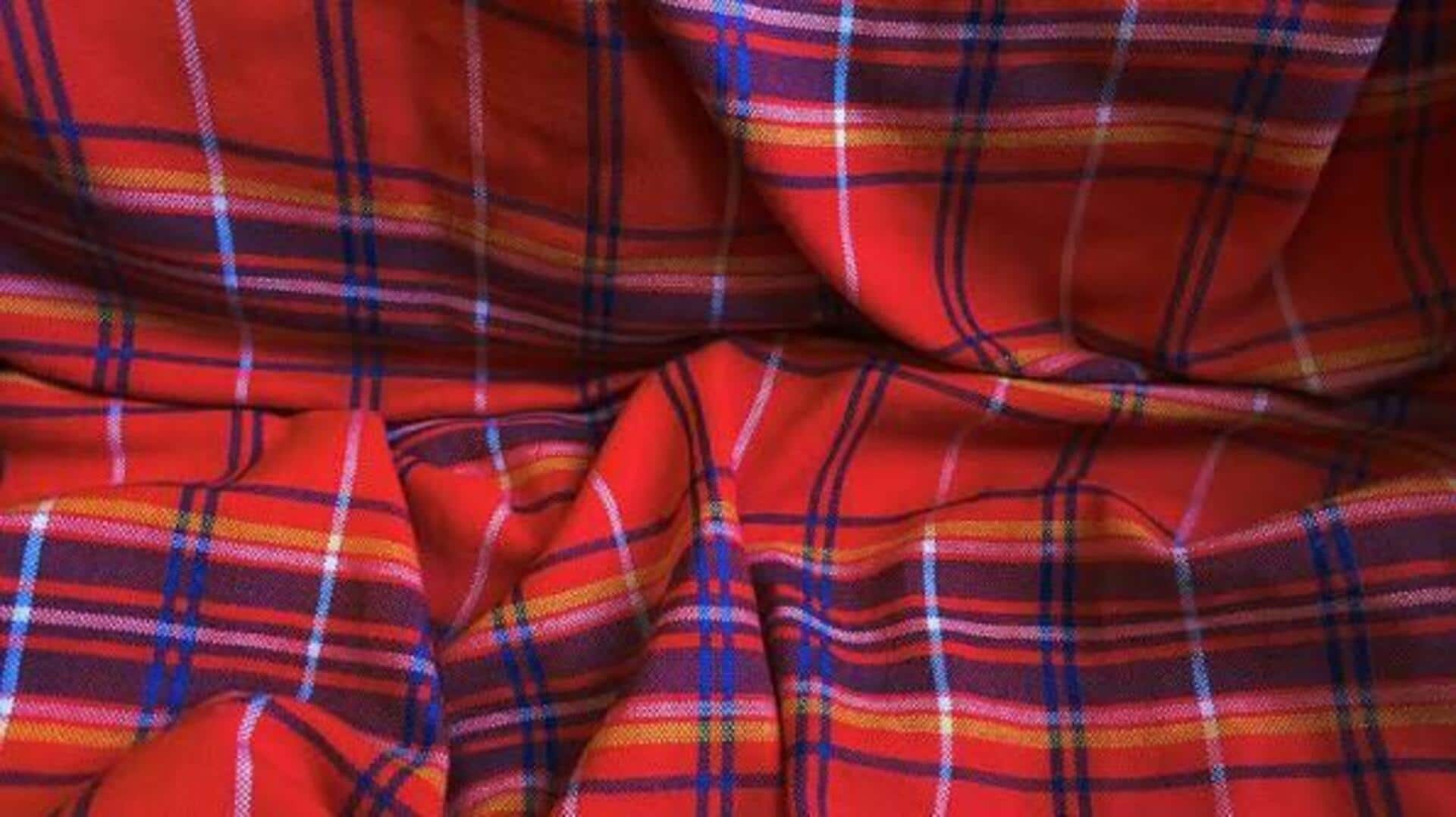
African Maasai shukas are colorful, versatile garments that have become popular around the world. Traditionally worn by the Maasai people of Kenya and Tanzania, these shukas are known for their vibrant patterns and durability. Weaving your own shuka can be a rewarding experience, allowing you to connect with the rich cultural heritage of the Maasai. Here are some practical tips to help you create your own authentic Maasai shuka.
Tip 1
Choose the right materials
Selecting appropriate materials is key to weaving an authentic Maasai shuka.
Traditionally, shukas are made from cotton or a cotton-blend fabric, which provides comfort and durability.
Make sure the fabric is breathable, yet sturdy enough to withstand daily wear.
The colors you choose should reflect traditional Maasai patterns, often featuring bold reds, blues, and greens.
Tip 2
Understand traditional patterns
Maasai shukas are characterized by their distinctive patterns, which often include checks or stripes in vivid colors.
Before you start weaving, familiarize yourself with these traditional designs by looking at existing shukas or consulting resources on Maasai culture.
Understanding these patterns will help you stay true to the authentic look of the garment while adding your personal touch.
Tip 3
Master basic weaving techniques
To weave an authentic Maasai shuka, you need to master some basic techniques.
Start with simple patterns before moving on to more complex designs as your skills improve.
Practice consistently to get comfortable with the rhythm and tension required in weaving.
Online tutorials or local workshops can be helpful resources for learning these techniques.
Tip 4
Incorporate personal touches
While authenticity is important, adding personal touches can make your woven shuka even more special.
Consider incorporating small variations in color combinations, or subtle pattern changes that reflect your individual style, while still honoring traditional Maasai aesthetics.
This way, you create a unique piece that resonates personally without losing its cultural significance.