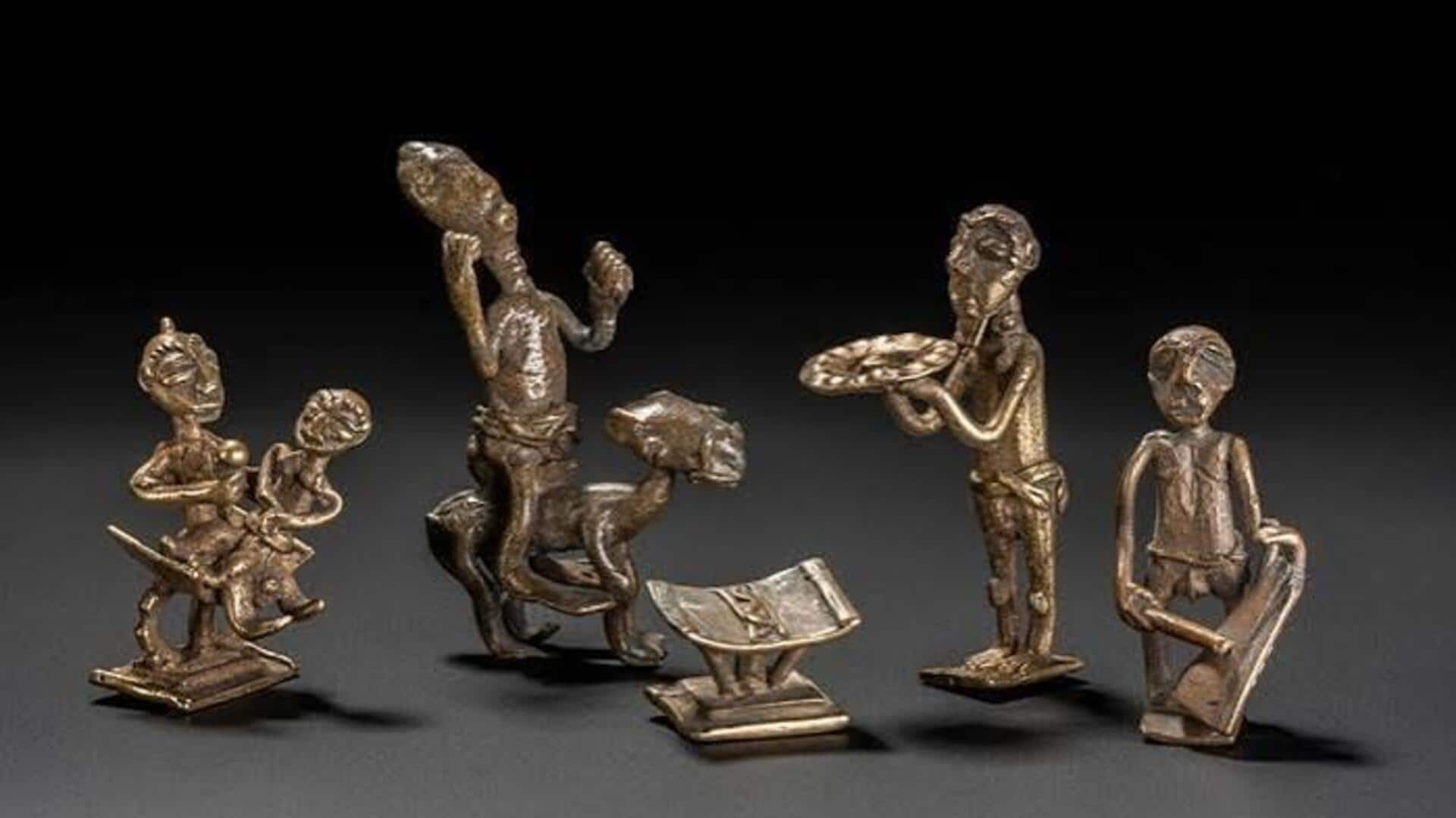
How traditional ironwork is being reimagined
What's the story
African ironwork is being reimagined, thanks to the fusion of tradition and innovation. Artists are combining age-old techniques with modern design sensibilities to create unique pieces that speak to both cultural heritage and contemporary aesthetics. This blend not only preserves the art of ironworking, but also makes it relevant in today's market. Here are some insights into how African ironwork is evolving through creative experimentation.
#1
Blending old techniques with new designs
Many African artists are blending traditional ironworking techniques with new design elements. This fusion allows them to create pieces that are both functional and decorative.
By incorporating modern shapes and patterns, these artisans appeal to a wider audience while maintaining the integrity of their cultural roots.
The result is a diverse range of products, from furniture to sculptures, that reflect a harmonious blend of past and present.
#2
Sustainable practices in ironwork
Sustainability has become a key focus in the world of African ironwork. Artists are increasingly using recycled materials and eco-friendly processes in their creations.
This not only reduces environmental impact but also adds unique character to each piece.
By prioritizing sustainability, these artisans contribute positively to the planet, while offering consumers innovative solutions that align with global trends.
#3
Community engagement through art
Many African ironworkers are actively engaging their communities through workshops and collaborative projects.
These initiatives not only promote skill-sharing but also foster a deeper appreciation for this art form within local populations.
By involving community members in the creative process, artists ensure that traditional techniques are passed down through generations, while also encouraging innovation at the grassroots level.
#4
Global influence on local craftsmanship
The global art scene has also influenced African ironworkers, who are now incorporating international trends into their work.
This exposure has inspired new styles and techniques that resonate with global audiences, without losing their cultural essence.
As these artisans gain recognition beyond their borders, they continue to showcase the richness of African heritage through modern interpretations of traditional crafts.