These Hungarian wedding traditions will blow your mind!
What's the story
Hungarian weddings are a beautiful blend of age-old traditions and cultural significance, giving a peek into the country's rich heritage. These customs, which have been passed down generations, are an integral part of the celebrations. From pre-wedding rituals to post-ceremony festivities, each tradition has its own meaning and importance. Here are five unique Hungarian wedding traditions that make these celebrations truly special.
#1
The bride's dowry tradition
In Hungary, the bride's dowry is an important tradition. It usually consists of household items or money that the bride brings to her new home.
This practice dates back centuries and was meant to ensure financial stability for the couple.
Although modern times have changed the significance of this tradition, it is still a part of many weddings in Hungary.
#2
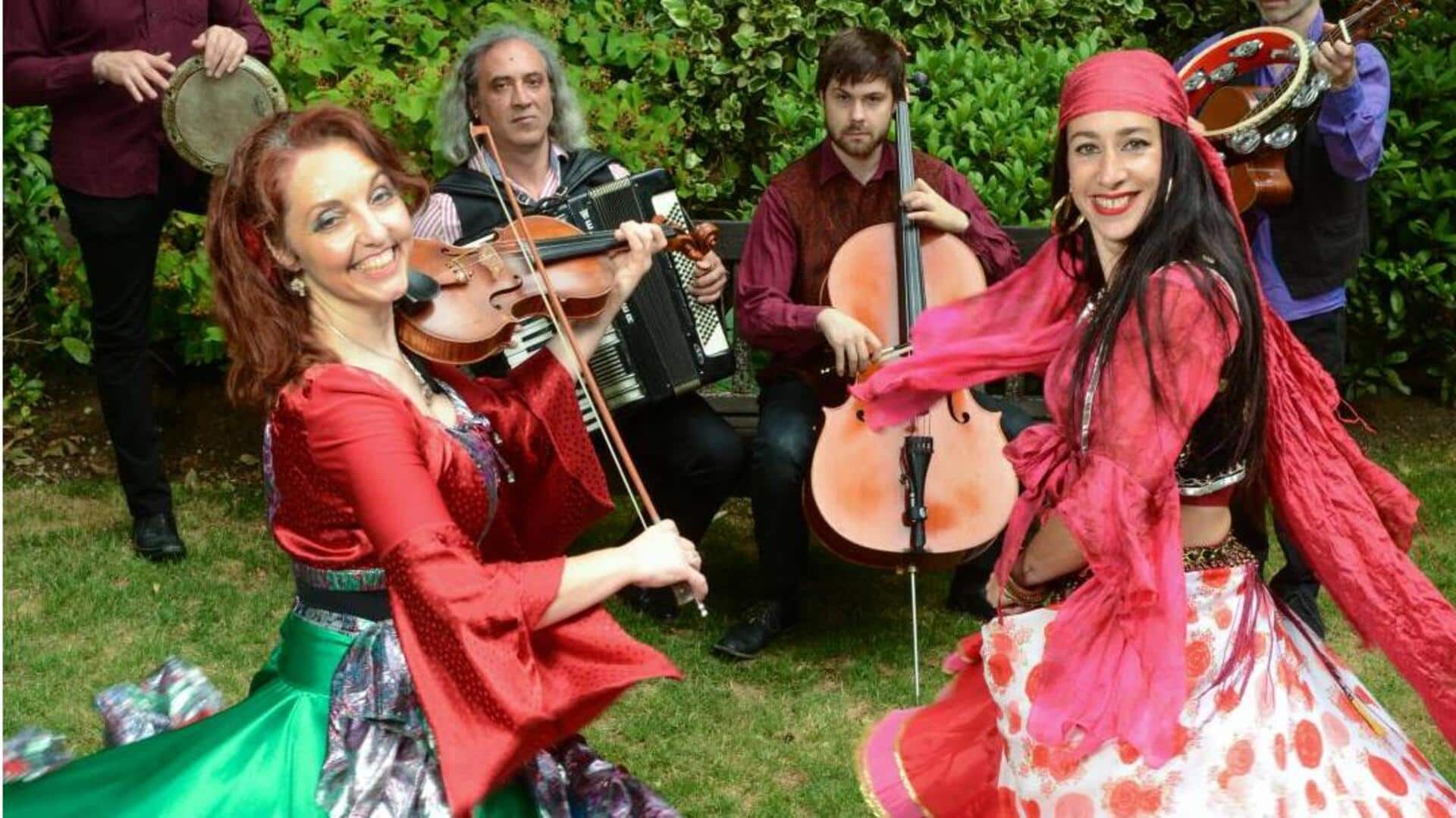
The role of 'Gypsy' musicians
At Hungarian weddings, "gypsy" musicians are an integral part of the celebrations.
They are known for their lively music and dance performances that keep the guests entertained all night long.
The musicians usually play traditional instruments such as violins and cymbals, creating a joyful atmosphere that gets everyone on their feet.
#3
Breaking bread with 'kalacs'
Another interesting tradition is breaking bread with 'kalacs,' a sweet braided bread.
It symbolizes unity and togetherness between families coming together through marriage.
The bread is often shared among guests during the reception as a gesture of goodwill and harmony.
#4
The 'Tanc' dance ritual
The "tanc" dance ritual is a highlight at Hungarian weddings. It involves choreographed dances performed by both the bride and groom's families separately before they join together in unity on the dance floor.
This lively event showcases traditional Hungarian folk dances, adding energy and excitement to the celebration.
#5
'Kislany' or flower girls tradition
In Hungarian weddings, young girls, called 'kislany,' play the role of flower girls.
They walk down the aisle before the bride, scattering flowers.
This tradition symbolizes purity and innocence, adding a charming touch to the ceremony.
It highlights the cultural significance of these young participants in the wedding.