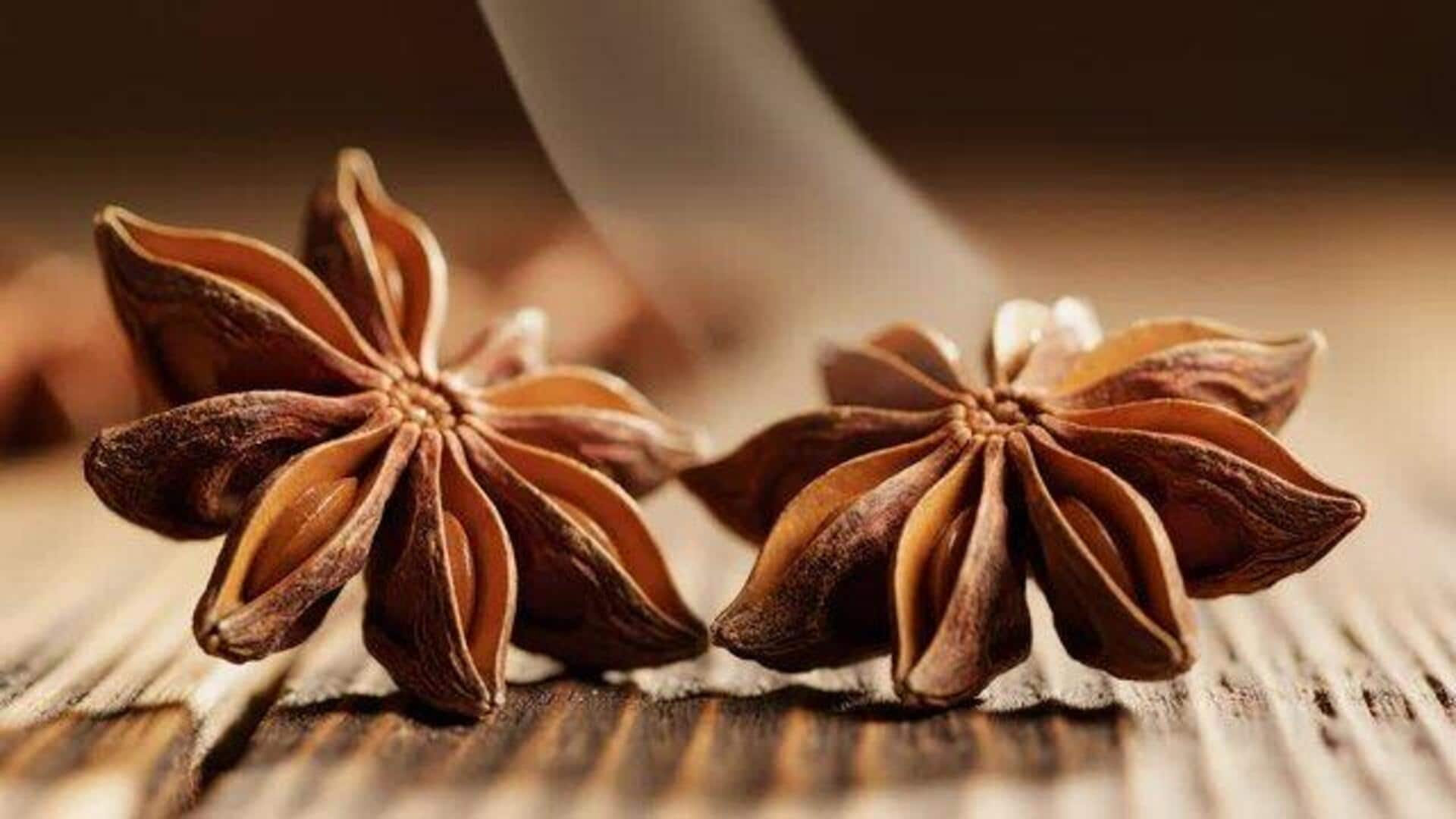
How to grow star anise indoors
What's the story
Growing anise indoors can be a rewarding experience for those looking to add a unique flavor to their culinary creations. This aromatic herb is known for its distinctive taste and fragrance, making it a popular choice in various dishes. With the right conditions and care, you can successfully cultivate anise indoors, ensuring a steady supply of fresh leaves and seeds. Here are some practical tips to help you grow anise effectively in your indoor garden.
Tip 1
Choosing the right container
Selecting an appropriate container is crucial for growing anise indoors.
Choose a pot that is at least 12 inches deep to accommodate the plant's root system.
Ensure that the container has drainage holes to prevent waterlogging, which can damage the roots.
Using a saucer underneath the pot can help catch excess water and keep your indoor space clean.
Tip 2
Providing adequate light
Anise plants require plenty of sunlight to thrive indoors.
Place your container near a south-facing window where it can receive at least six hours of direct sunlight every day.
If natural light is insufficient, consider using grow lights to supplement the exposure.
Position the lights about 12 inches above the plant, and keep them on for 12 to 16 hours daily.
Tip 3
Maintaining optimal soil conditions
The right soil mix is key to growing healthy anise plants indoors.
Use well-draining potting soil mixed with organic compost for added nutrients.
The soil pH should be slightly acidic to neutral (six to seven) for optimal growth.
Regularly check moisture levels by sticking your finger into the soil, and water only when the top inch feels dry.
Tip 4
Watering and fertilizing wisely
Proper watering is essential for indoor anise cultivation.
Water thoroughly when needed, but avoid overwatering, as this can lead to root rot.
Fertilize every four weeks with a balanced liquid fertilizer diluted to half strength, following package instructions carefully.
This will ensure your plants receive essential nutrients without overwhelming them.
Tip 5
Pruning and harvesting techniques
Regular pruning helps maintain airflow around your anise plants while encouraging bushier growth.
Trim back any yellowing leaves or stems as needed throughout their growth cycle.
Harvest leaves by snipping them off at their base, rather than pulling them out completely, which could damage surrounding foliage.