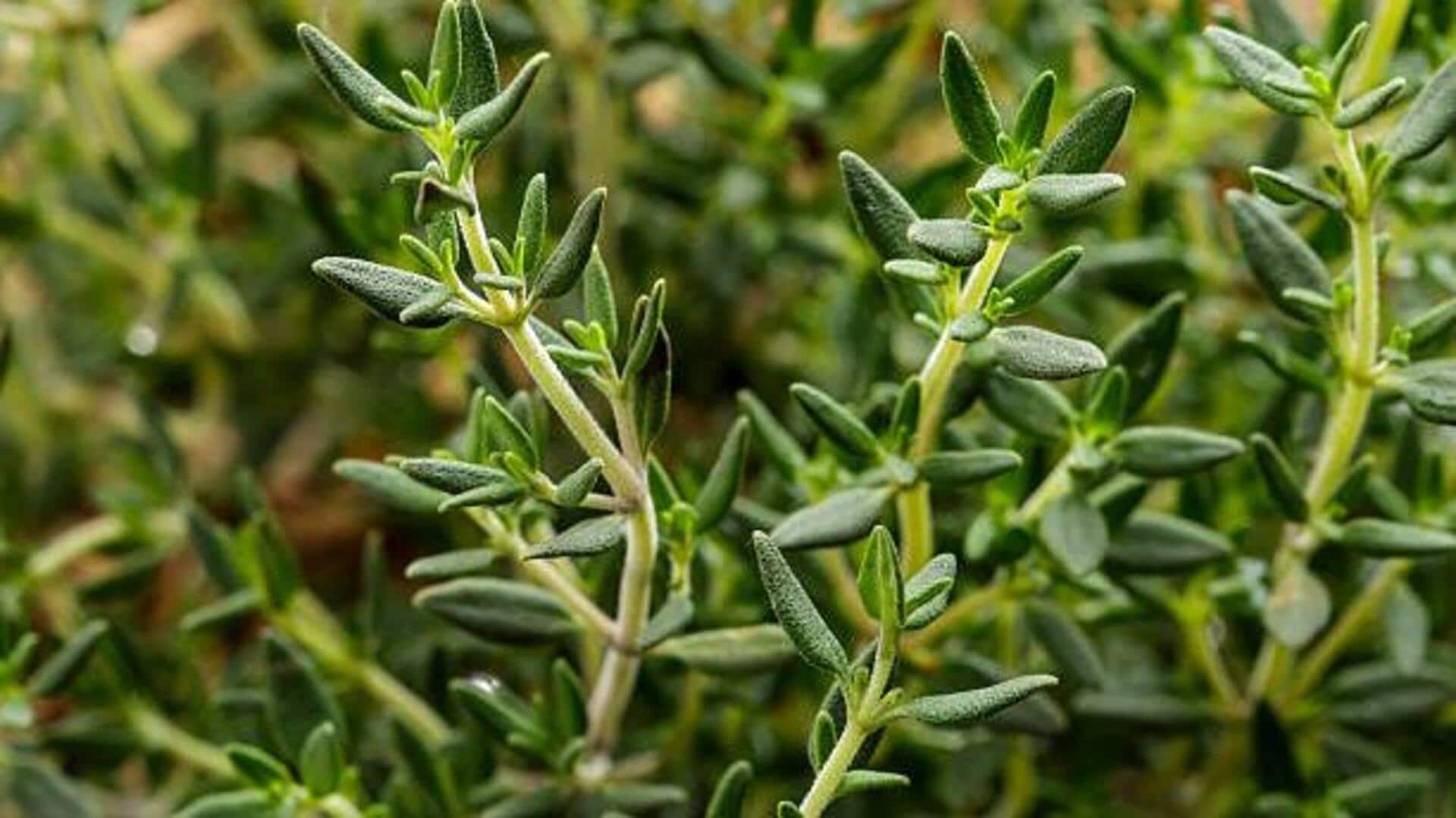
How to grow thyme without soil
What's the story
Growing thyme indoors using hydroponic systems can be a rewarding experience. Hydroponics is a method of growing plants without soil, using nutrient-rich water instead. This method allows for greater control over the growing environment, making it possible to cultivate thyme year-round. With the right setup and care, you can enjoy fresh thyme at your fingertips, enhancing your culinary creations. Here are some practical insights on growing thyme indoors with hydroponics.
System selection
Choosing the right hydroponic system
Selecting the right hydroponic system is key to successful indoor thyme cultivation. Deep water culture and nutrient film technique are popular choices for growing herbs like thyme. These systems provide constant access to nutrients and oxygen, promoting healthy growth. Consider factors such as space availability, budget, and maintenance requirements when choosing a system.
Light requirements
Optimal lighting conditions
Thyme needs ample light to grow well indoors. Ideally, it should get 12 to 16 hours of light every day. LED grow lights are an energy-efficient choice that provide the right spectrum for plant growth. Position the lights at a proper distance from the plants to avoid burning them while ensuring they get enough light.
Nutrient mix
Nutrient solution formulation
Creating a balanced nutrient solution is essential for thriving thyme plants in hydroponics. A standard mix should include nitrogen, phosphorus, potassium, calcium, magnesium, and trace elements like iron and manganese. Regularly check pH levels (between 5.5 and 6.5), and adjust them as needed to keep nutrient absorption optimal.
Environmental control
Monitoring environmental factors
Keeping environmental factors like temperature and humidity in check is key to growing thyme indoors. Ideally, temperature should be around 20 degrees Celsius to 24 degrees Celsius (68 degrees Fahrenheit to 75 degrees Fahrenheit) during the day, and slightly cooler at night. Humidity levels should be kept between 40% and 60% to avoid mold growth while keeping your plants healthy.
Plant care tips
Pruning and harvesting techniques
Regular pruning encourages bushier growth in thyme plants, while also preventing them from becoming leggy under indoor conditions. Harvest leaves by pinching them off gently from the top of stems once they reach about six inches tall, ensuring you leave enough foliage intact for continued growth.