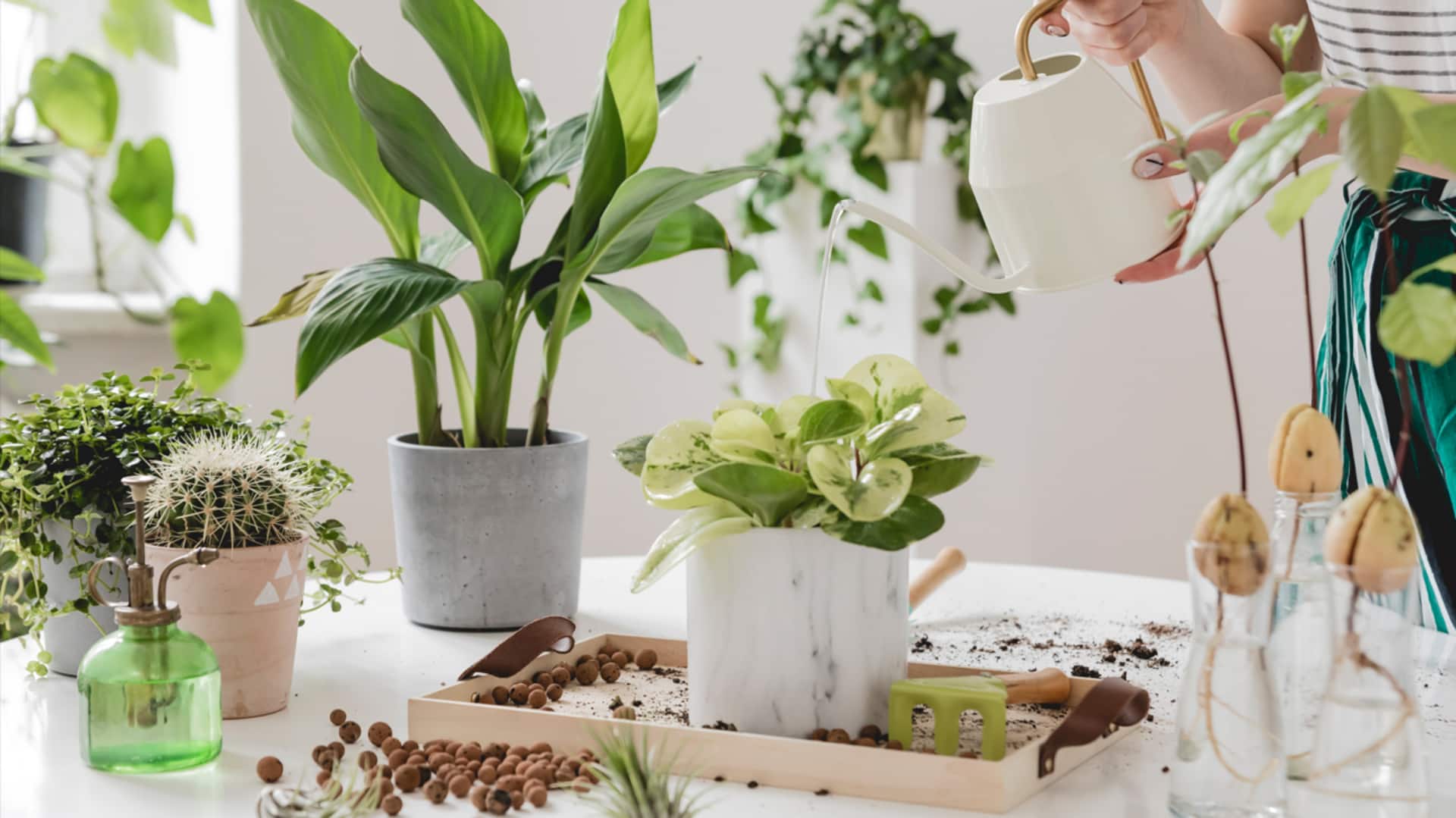
Is indoor plant care your type of self-care ritual?
What's the story
Indoor plant care can be an effective way to promote mindfulness and self-care. By focusing on the needs of plants, you can cultivate a sense of calm and presence. This practice encourages you to slow down, observe details, and connect with nature indoors. Here are five ways to integrate indoor plant care into your daily routine for mindfulness and self-care.
Tip 1
Start with simple plants
Starting with easy-to-care-for plants can make the process less daunting. Succulents or snake plants require minimal attention and thrive in various conditions. This way, beginners can build confidence without feeling overwhelmed. As you gain experience, you can gradually introduce more complex species into your collection.
Tip 2
Create a dedicated plant space
Designating a specific area for your plants creates a mini indoor garden that can be a source of joy and relaxation. This space should be free from distractions, allowing you to focus solely on plant care. Whether it's a windowsill or a shelf, having a dedicated spot helps reinforce the habit of regular maintenance.
Tip 3
Establish a watering routine
Consistency is key when it comes to indoor plant care. Establishing a watering schedule not only ensures that your plants get the right amount of moisture but also helps you develop a mindful routine. You can use reminders or apps to keep track of watering times, making sure each plant gets the attention it needs without over or under-watering.
Tip 4
Engage in observational practices
Observing your plants closely encourages mindfulness by directing your attention to the present moment. Look for changes in leaf color, growth patterns, or signs of distress like wilting or yellowing leaves. Noticing these details fosters a deeper connection between you and your plants, while enhancing your ability to respond appropriately to their needs.
Tip 5
Use plant care as meditative time
Transforming plant care into meditative moments can be a great way to practice mindfulness. Focus on each task, be it pruning dead leaves or repotting new growths, with full attention. This practice not only clears your mind of distractions but also promotes relaxation through the rhythmic nature of gardening tasks.