How to grow saffron indoors
What's the story
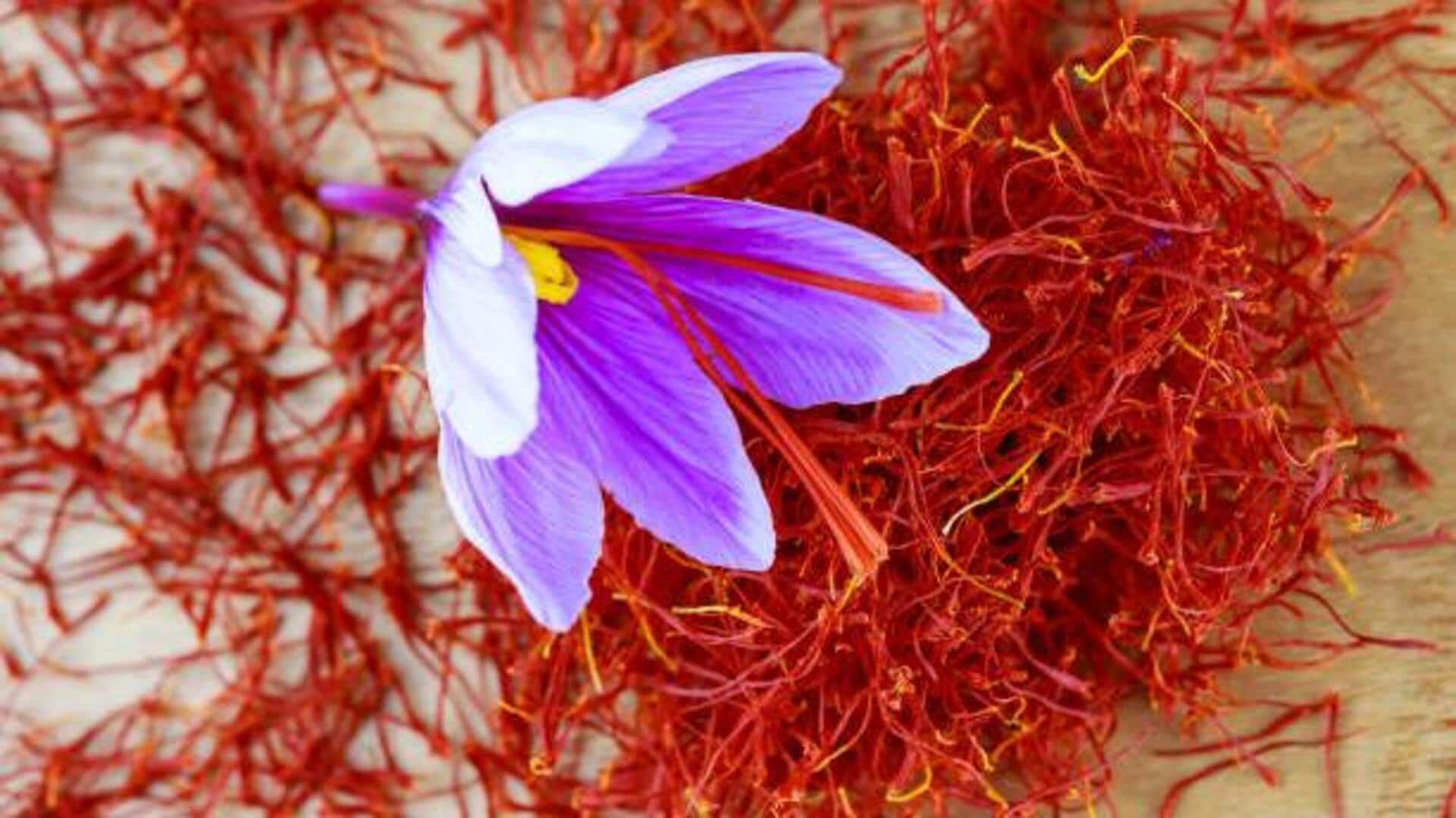
Saffron, the most expensive spice in the world, is famous for its color and flavor. Growing saffron indoors can be a rewarding experience for those who want to grow their own spices. With the right conditions and care, you can grow saffron in your home. Here are five practical tips to help you grow saffron indoors successfully.
Tip 1
Choose the right container
Selecting an appropriate container is essential for growing saffron indoors.
The container should be at least six inches deep to allow the corms to grow properly.
Make sure it has drainage holes to prevent waterlogging, which can damage the roots.
A terracotta pot is a great option as it allows air circulation and retains moisture well.
Tip 2
Use quality soil mix
A well-draining soil mix is essential for saffron cultivation.
Use a combination of potting soil, sand, and perlite in equal parts to create an ideal mix.
This combination ensures good drainage while retaining enough moisture for the corms.
Avoid heavy soils that retain too much water, as they can lead to rot.
Tip 3
Provide adequate light
Saffron needs plenty of light to thrive indoors.
Place your container near a south-facing window where it can get at least six hours of direct sunlight every day.
If natural light is insufficient, you can use grow lights as an alternative source of illumination.
Tip 4
Maintain proper watering schedule
Proper watering is key to growing healthy saffron indoors.
Water sparingly; let the top inch of soil dry out before watering again.
Overwatering can lead to root rot, so it's important not to keep the soil constantly wet.
Adjust your watering schedule according to environmental conditions like humidity and temperature.
Tip 5
Monitor temperature and humidity levels
Saffron flourishes in cool temperatures between 60 degrees Fahrenheit and 70 degrees Fahrenheit (15 degrees Celsius and 21 degrees Celsius) with low humidity levels.
Avoid placing your plants near heat sources or air conditioning vents that can cause temperature fluctuations or dry out the air too much.
Using a hygrometer can help you monitor indoor conditions accurately, ensuring optimal growth conditions for your saffron plants.