These fascinating traditions define a true Japanese wedding
What's the story
Japanese weddings are a beautiful mix of tradition and culture, with rituals that have been followed for centuries. These ceremonies are a reflection of the country's rich history and social values. While some elements have evolved, many traditions still hold a special place in Japanese society. Here are five unique wedding traditions that give you a glimpse into Japan's cultural heritage.
#1
The San-San-Kudo ritual
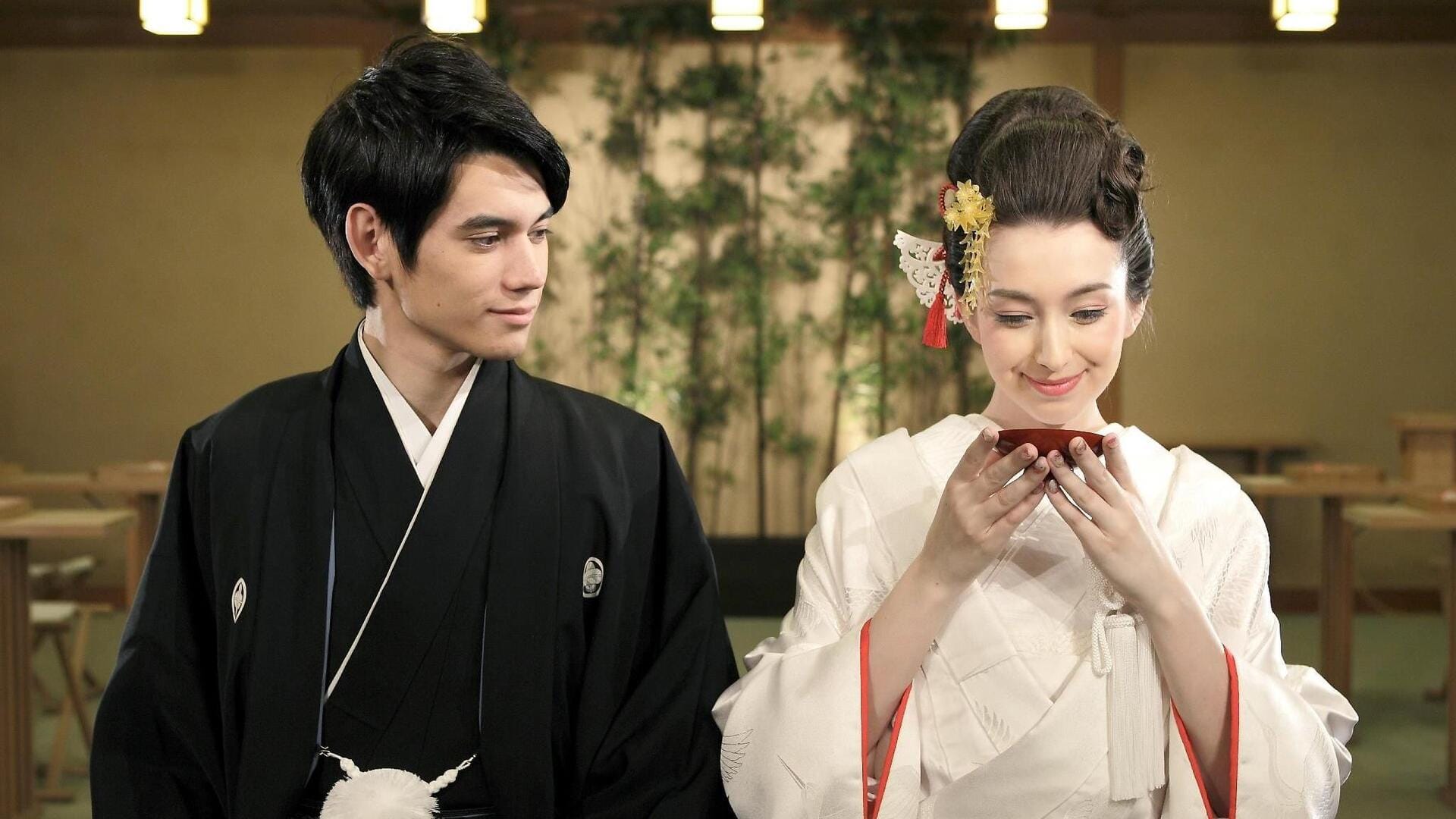
The san-san-kudo is an important part of Shinto weddings. The bride and groom take three sips each from three nuptial cups, stacked in a triangular fashion.
This ritual symbolizes the union of the couple and the families. The number three is significant in Japanese culture, representing heaven, earth, and humanity.
It is believed that performing this ritual brings good fortune and harmony to the marriage.
#2
Yui-no: The engagement gift exchange
Yui-no is an engagement custom where both families exchange gifts as a sign of commitment to the marriage.
The gifts usually include items like rice, seaweed, and a pair of red and white envelopes containing money or other valuables.
This tradition signifies mutual respect between families and ensures both parties are invested in the union.
The choice of gifts is often symbolic, representing prosperity and longevity.
#3
Shiro-Muku: The pure white kimono
In traditional Japanese weddings, brides often wear a shiro-muku, which is a pure white kimono. The color white symbolizes purity and simplicity in Japanese culture.
The shiro-muku is usually worn during Shinto ceremonies but can also be worn at Buddhist or Christian-style weddings.
The bride may also wear an elaborate headdress called tsunokakushi with this attire to conceal her horns of selfishness.
#4
Kagami Biraki: Opening sake barrels
Kagami biraki literally means "opening the lid of a mirror," referring to opening barrels at celebrations such as weddings or other auspicious events.
It involves using wooden mallets to break open barrel lids, symbolizing new beginnings for couples starting their life together after marriage.
This tradition dates back centuries when it was considered sacred among Shinto rituals.
Tip 5
Toshi koshi soba: New Year's Eve noodles
Toshi koshi soba are eaten on New Year's Eve as part of a family gathering before welcoming the new year.
In some regions, this custom extends into wedding receptions, where guests enjoy soba noodles together.
This signifies a wish for long-lasting relationships, just like these thin noodles, which are easily cut apart but remain connected.