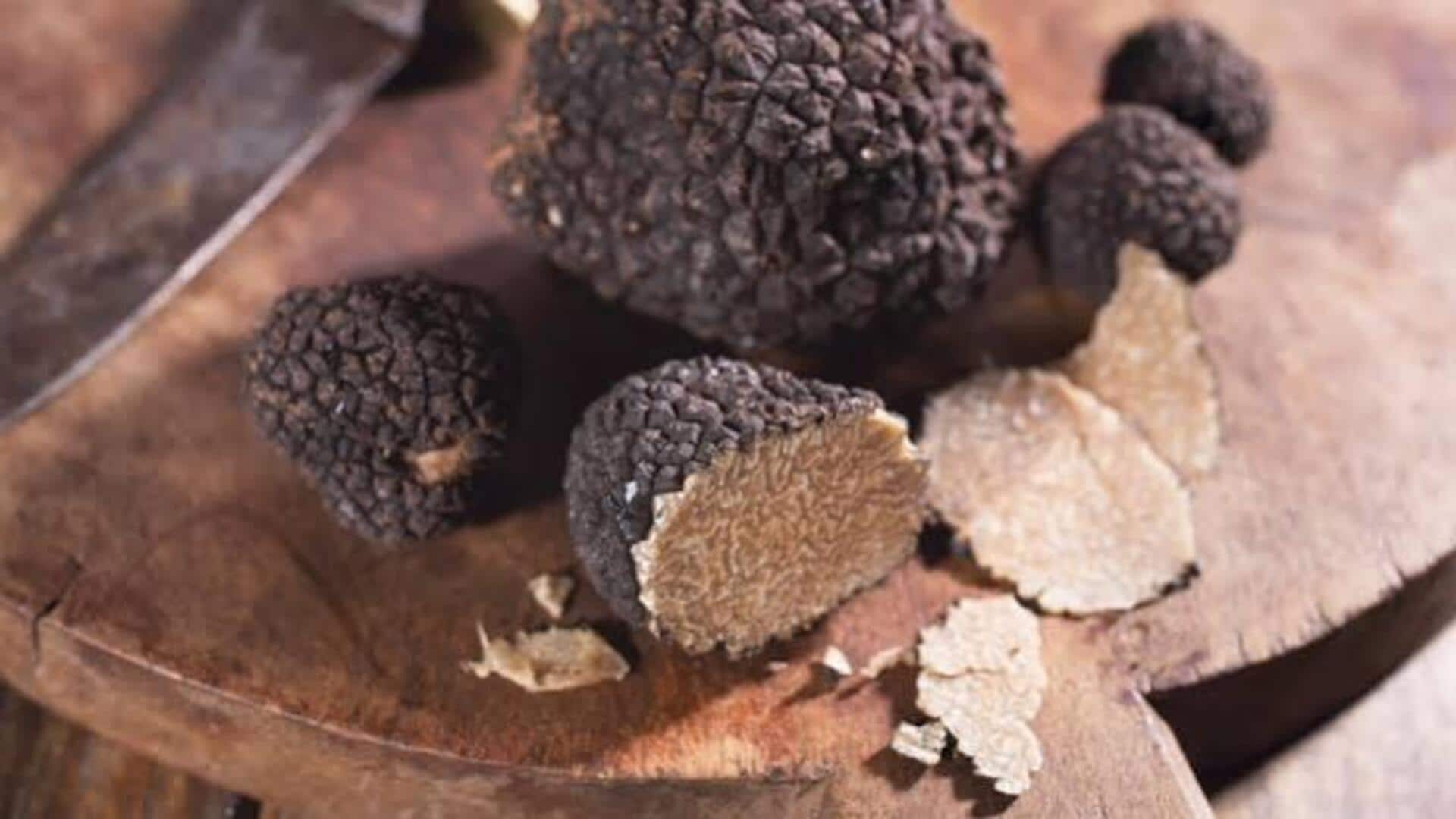
Kalahari truffles: A lesser-known culinary delight
What's the story
Kalahari truffles, the underground fungi that grow in the Kalahari Desert, are a staple in many African cuisines. They are known for their distinct flavor and texture, making them a favorite among food lovers. The truffles are harvested during the rainy season and used in a variety of dishes. Not only do they add taste, but they also have nutritional benefits, making them an important part of local diets.
#1
Unique flavor profile of Kalahari truffles
Kalahari truffles are known for their earthy flavor, which goes well with a variety of ingredients. Their nutty undertones can elevate simple dishes into gourmet experiences.
The texture is somewhat similar to that of a potato, making them versatile in cooking methods.
Be it roasting or boiling, these truffles absorb flavors well, making them an excellent addition to soups and stews.
#2
Nutritional benefits of Kalahari truffles
Rich in essential nutrients, Kalahari truffles are a great source of protein, fiber, vitamins, and minerals.
They provide the body with necessary nutrients without adding too many calories.
The high fiber content promotes digestion and keeps the gut healthy.
Plus, the presence of antioxidants helps combat oxidative stress in the body.
#3
Traditional uses in African cuisine
In many African communities, Kalahari truffles are used in traditional recipes passed down through generations.
They are often cooked with grains or vegetables to create hearty meals that sustain families during tough times.
The truffles can also be ground into flour for baking or used as a thickening agent in sauces.
Tip 1
Sustainable harvesting practices
Sustainable harvesting practices ensure that Kalahari truffles continue to thrive in their natural habitat while supporting local economies.
Harvesters typically wait for the right conditions before digging up these fungi to avoid overexploitation.
This way, future generations can enjoy this culinary treasure without harming the ecosystem of the Kalahari Desert.