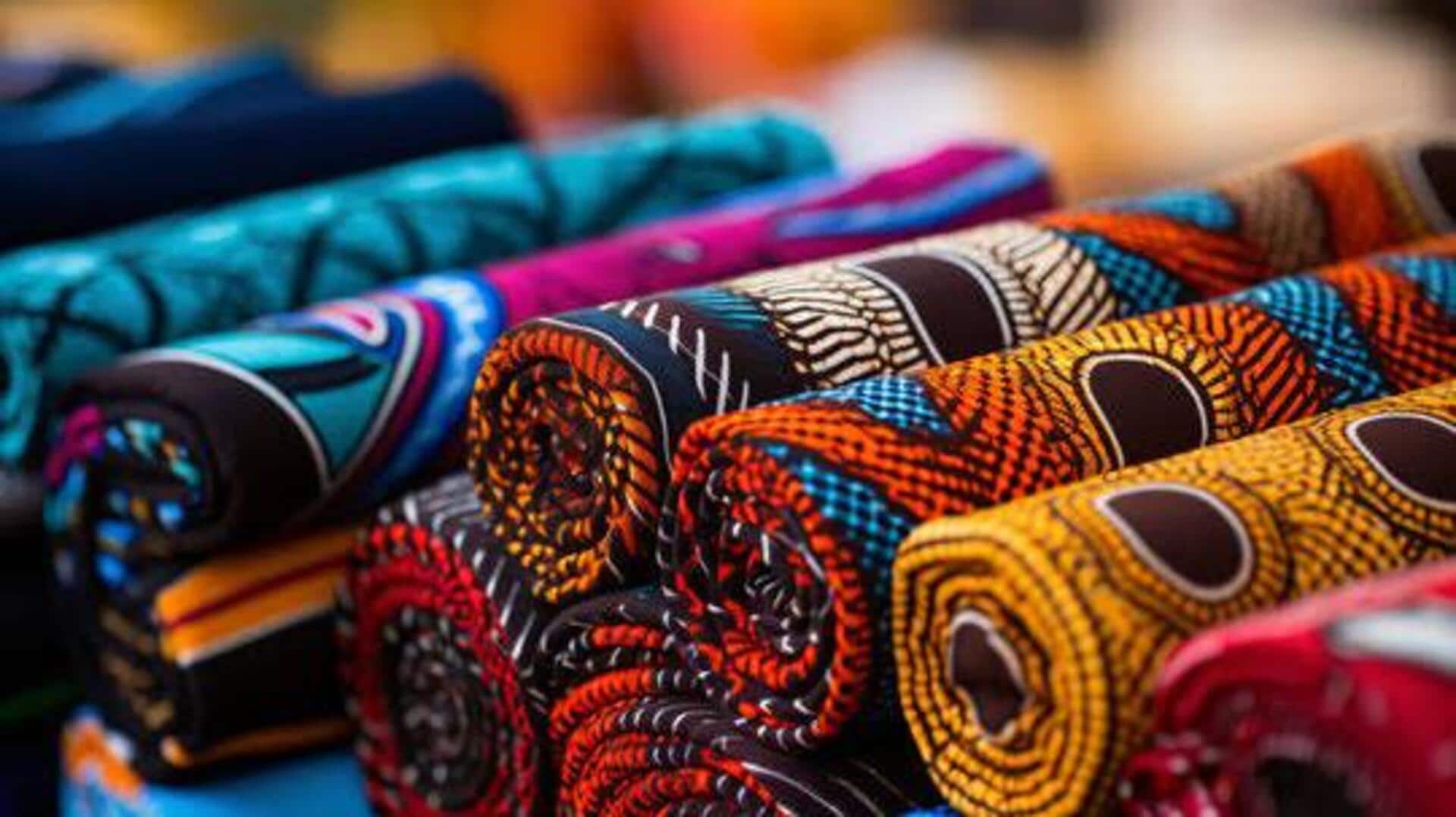
What are khanga fabrics?
What's the story
Khanga fabrics, with their colorful patterns and cultural significance, are making their way into urban art. These fabrics, which originated in East Africa, are now being used by artists to create vibrant murals and installations. The influence of khanga on urban art is seen in the way artists are incorporating traditional designs into modern cityscapes. This fusion of cultures results in a unique visual language that resonates with diverse audiences.
#1
Historical roots of khanga fabrics
Khanga fabrics have a rich history dating back to the 19th century in East Africa.
Traditionally worn as wraps or used in household items, these textiles are characterized by their bright colors and symbolic motifs.
Each design often carries a message or proverb, adding layers of meaning to the fabric's beauty.
The historical significance of khanga has paved the way for its adoption by contemporary artists seeking to connect with cultural heritage.
#2
Modern interpretations in urban art
Artists are creatively interpreting khanga patterns within urban settings, turning city walls into canvases for vibrant expressions.
By fusing traditional motifs with modern techniques, they create pieces that resonate with both local communities and tourists alike.
This integration not only beautifies public spaces but also sparks conversations about cultural identity and artistic innovation.
#3
Impact on community engagement
The use of khanga fabrics in urban art has also proven to be a powerful tool for community engagement.
By incorporating familiar patterns into public artworks, artists foster a sense of belonging among residents.
These projects often involve local participation, encouraging collaboration between artists and community members.
The result is an inclusive environment where diverse voices are heard and celebrated through art.
#4
Economic implications for local artists
The popularity of khanga-inspired urban art also opens up new avenues for local artists economically.
As cities increasingly value public art projects, there are more opportunities for artists who work with these vibrant textiles' themes or techniques.
Further, exhibitions featuring khanga-inspired works attract attention from collectors interested in supporting emerging talent within this niche market.