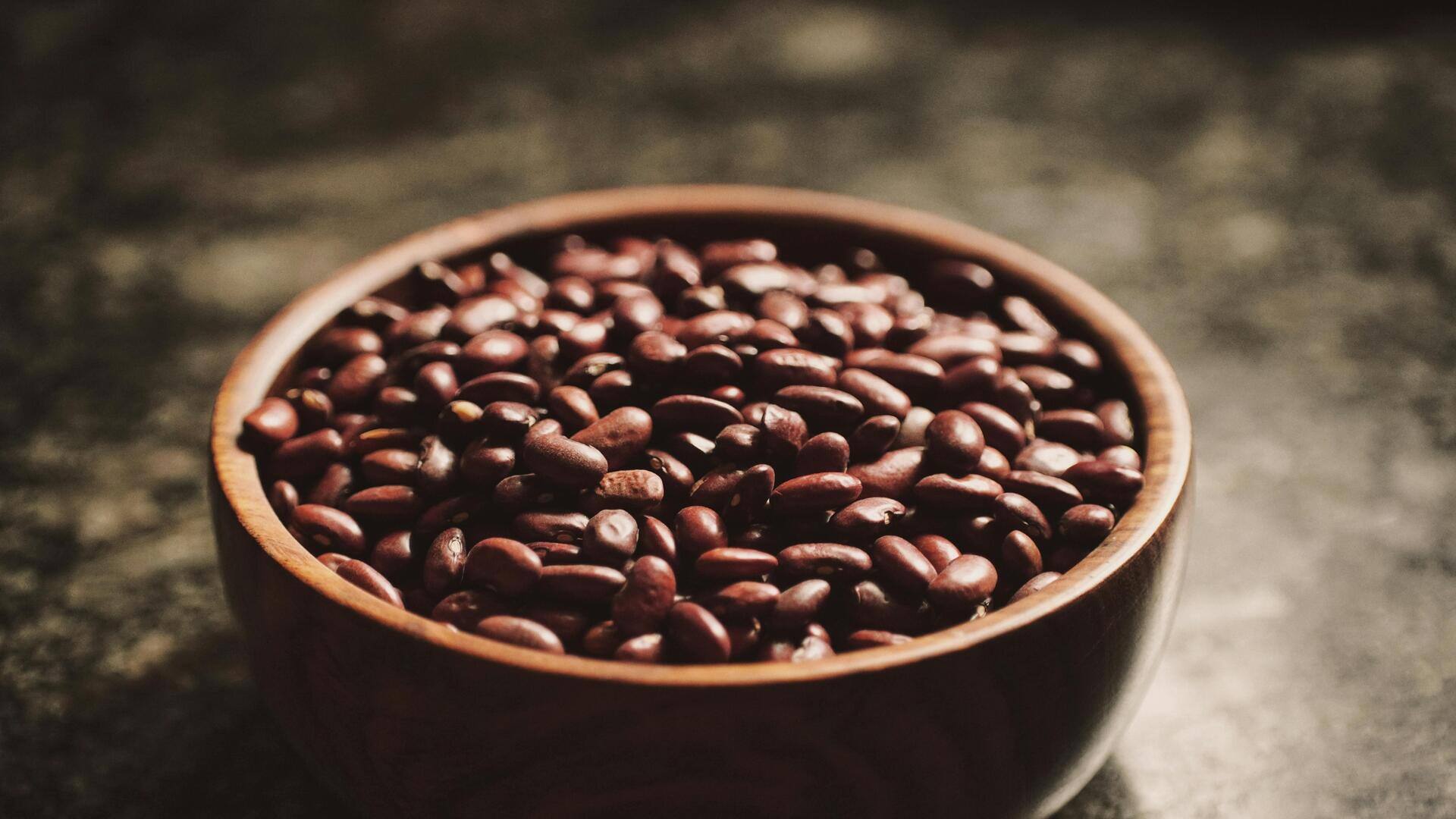
Kidney beans v/s black-eyed peas: Which is healthier?
What's the story
Kidney beans and black-eyed peas are two popular legumes loved for their nutritional benefits. Both are packed with essential nutrients, making them an important part of a balanced diet. While they have some similarities, they also differ in terms of nutrient composition. This article delves into the nutritional profiles of kidney beans and black-eyed peas, highlighting their differences and benefits.
#1
Protein content comparison
Kidney beans are known for their high protein content, offering around 24 grams of protein per cooked cup.
Black-eyed peas also provide a decent amount of protein, with roughly 13 grams per cooked cup.
While both legumes contribute significantly to daily protein intake, kidney beans may be more beneficial for those looking to increase their protein consumption.
#2
Fiber levels in legumes
Fiber is an important nutrient for digestion and overall health.
Kidney beans provide about 13 grams of fiber per cooked cup, which is more than black-eyed peas's eight grams per cooked cup.
The higher fiber content in kidney beans can help with digestion and keep you full longer, making it a great option for those looking to manage their weight or improve gut health.
#3
Vitamin and mineral content
Both kidney beans and black-eyed peas are rich sources of vitamins and minerals.
Kidney beans are especially high in iron and potassium, which are important for blood health and muscle function, respectively.
Black-eyed peas are a good source of folate and magnesium, which are essential for cell division and bone health.
Including either legume in your diet can help you meet your daily vitamin and mineral requirements.
#4
Antioxidant properties
Antioxidants are important for protecting cells from damage by free radicals.
Kidney beans have been found to have a high level of antioxidants, including flavonoids, that help reduce inflammation in the body.
Black-eyed peas also have antioxidant properties, but in lesser amounts than kidney beans.
Adding these legumes to your diet can help boost your antioxidant intake naturally.