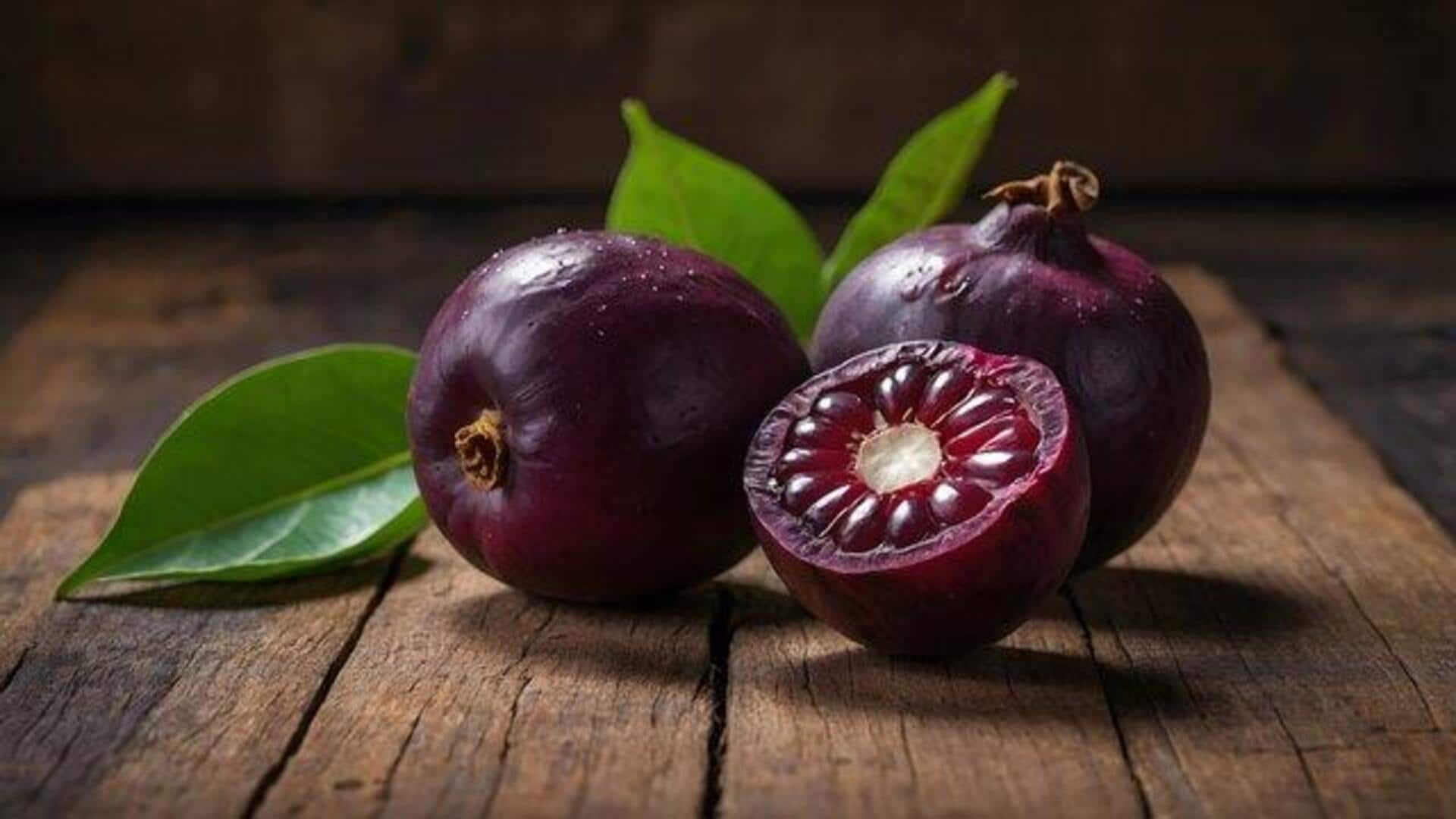
Why you should know about kokum fruit
What's the story
A tropical fruit from India, kokum is often used in cooking for its unique flavor and color. The bright purple fruit is not just a culinary delight but also a treasure trove of health benefits. Kokum has been used in traditional medicine for centuries and is now gaining popularity worldwide. Here's everything you need to know about kokum, its uses, and why it should be a part of your diet.
#1
Nutritional profile of kokum
Kokum is packed with essential nutrients such as vitamin C, calcium, and iron. It also contains antioxidants that help fight free radicals in the body.
The low-calorie fruit is an excellent option for those looking to maintain a healthy weight while getting essential nutrients.
Its high fiber content aids digestion and keeps you feeling full longer.
#2
Health benefits of kokum
Kokum is known for its anti-inflammatory properties, which can help reduce swelling and pain in the body.
It also helps improve heart health by lowering cholesterol levels and improving blood circulation.
The presence of hydroxycitric acid in kokum may help with weight management by curbing appetite and boosting metabolism.
#3
Culinary uses of kokum
In Indian cuisine, kokum is commonly used to prepare curries, dals, and even drinks like sherbet or juice.
Its tangy taste gives a unique twist to dishes without overpowering other flavors.
Kokum can also be used as a natural food colorant due to its vibrant hue.
Tip 1
Tips for incorporating kokum into your diet
To enjoy kokum at home, try adding dried kokum petals into soups or stews for added flavor depth.
You can also soak dried petals in water overnight to create a refreshing drink by mixing it with sugar or honey as per taste preference.
This easy-to-make beverage not only quenches thirst but also provides a host of health benefits, making it a perfect addition to your diet.