Why therapists vouch for laughter yoga
What's the story
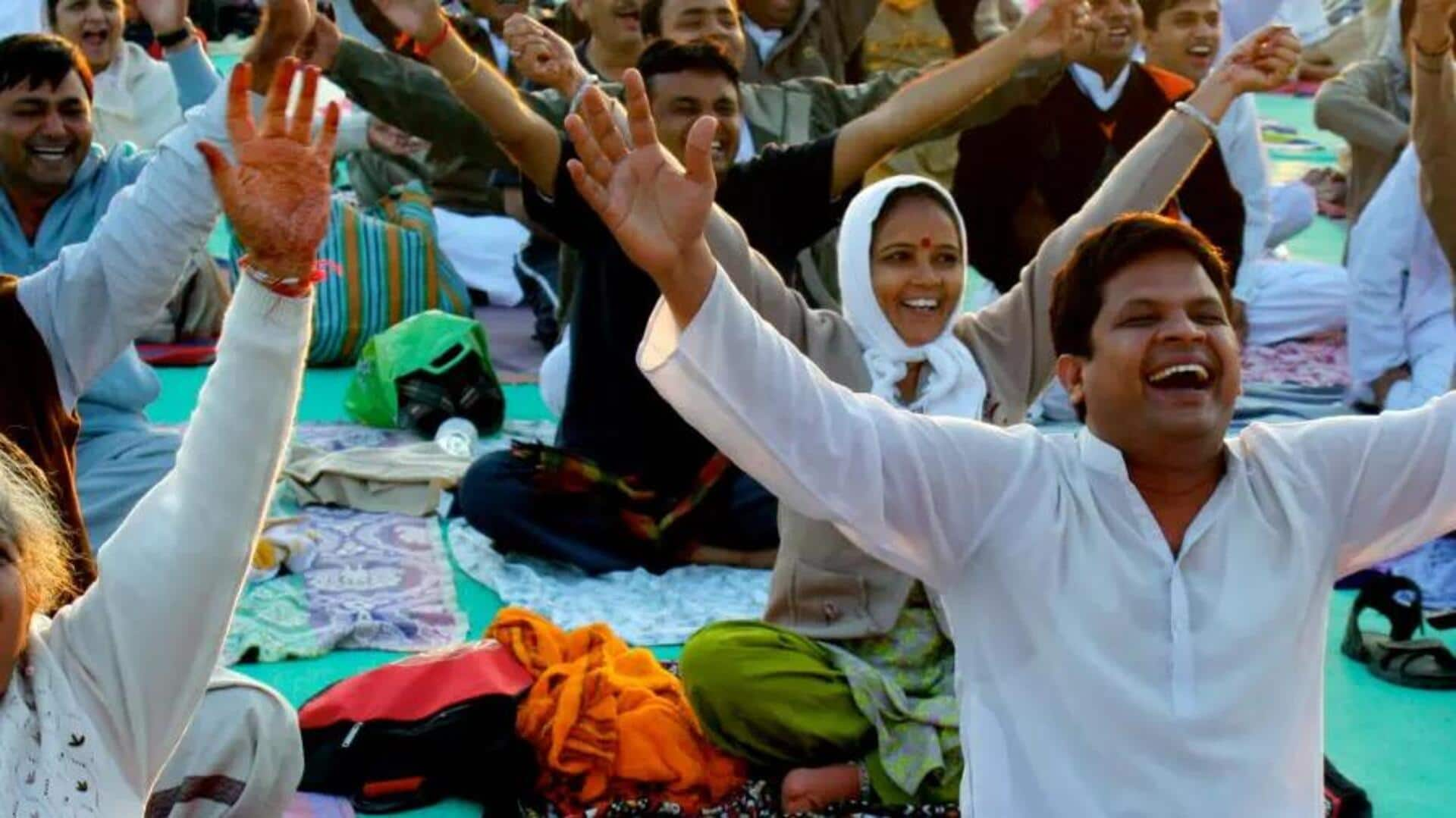
Laughter yoga is a unique combination of laughter and yogic breathing techniques. The practice encourages voluntary laughter, which is believed to provide the same physiological and psychological benefits as spontaneous laughter. It is a simple exercise routine that involves prolonged voluntary laughter, combined with deep yogic breathing. This practice can be performed by anyone, irrespective of age or fitness level, making it an accessible form of self-care.
Mental health
Boosts mental health
Regular laughter yoga sessions can significantly improve mental health by reducing stress and anxiety levels.
The act of laughing triggers the release of endorphins, which are natural mood lifters.
Further, laughter yoga also promotes relaxation by lowering cortisol levels in the body.
This combination helps create a more positive outlook on life and enhances overall emotional well-being.
Physical health
Enhances physical health
Laughter yoga also has a positive impact on physical health. It improves cardiovascular function by increasing blood flow and improving circulation.
The deep breathing exercises involved in laughter yoga also increase oxygen intake, which boosts energy levels and enhances immune system functioning.
Regular practice may even help reduce pain perception due to the release of natural painkillers during laughter.
Social connections
Strengthens social connections
Participating in group laughter yoga sessions can strengthen social bonds and improve interpersonal relationships.
The shared experience of laughing together fosters a sense of community and belonging among participants.
It also encourages open communication and reduces feelings of loneliness or isolation.
These social benefits contribute to a more supportive network, which is essential for emotional resilience.
Respiratory function
Improves respiratory function
Laughter yoga is a great way to improve respiratory function.
The deep breathing exercises involved help clear the lungs and increase lung capacity over time.
This practice is especially beneficial for people with respiratory issues as it promotes better oxygenation of the body.
Improved respiratory function also contributes to overall health by ensuring that vital organs receive adequate oxygen supply.
Mindfulness practice
Encourages mindfulness practice
Laughter yoga encourages mindfulness by bringing attention to the present moment through conscious breathing and laughter exercises.
This focus on the present helps reduce ruminative thinking patterns associated with anxiety or depression.
It also promotes greater awareness of one's thoughts and emotions without judgment or distraction from external factors.