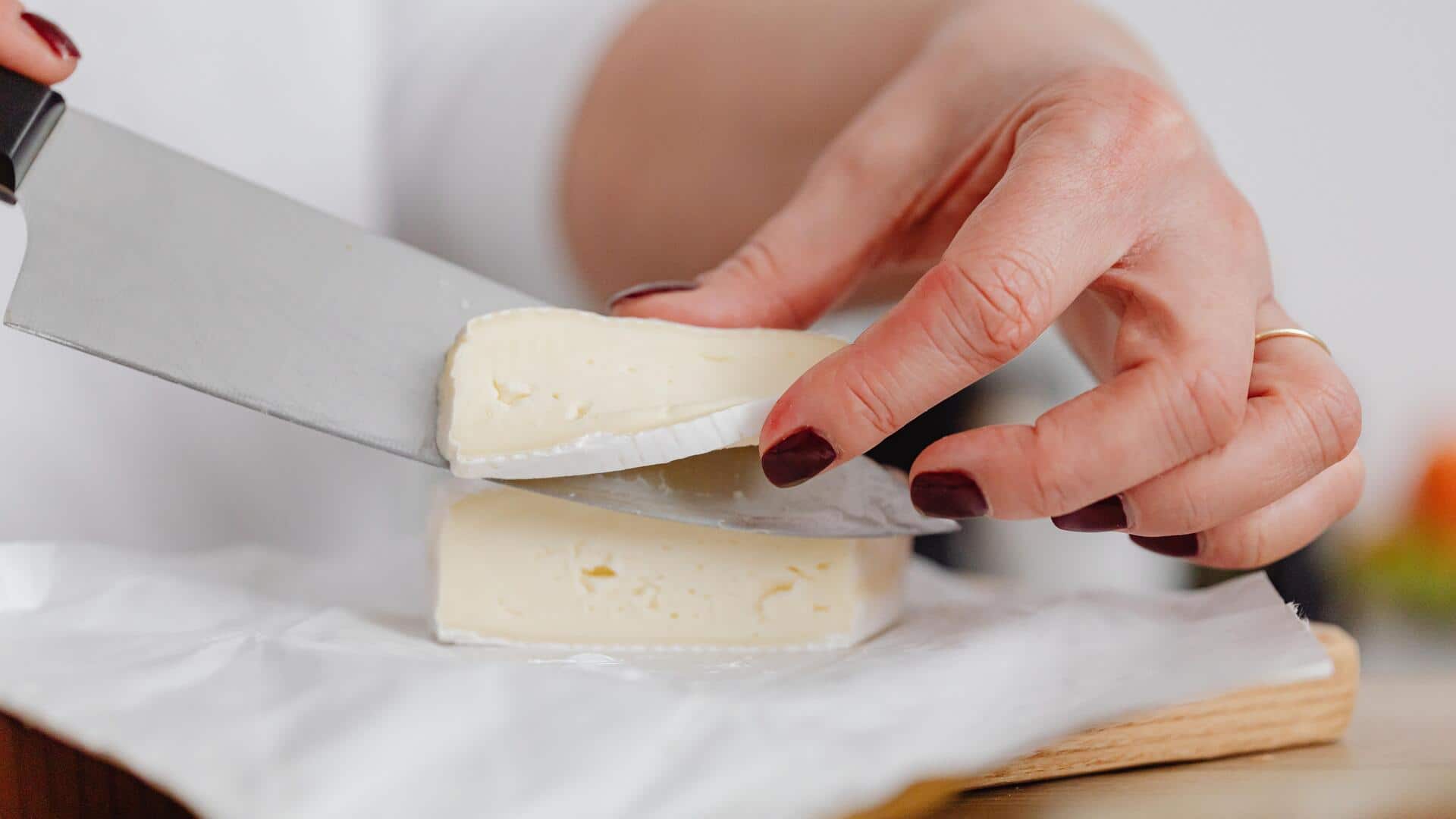
How to make artisanal cheese at home
What's the story
Making artisanal cheese at home can be a rewarding experience. It gives you a taste of gourmet delights without the need for professional equipment. With the right techniques and ingredients, you can create cheeses that rival those found in specialty shops. This guide will take you through essential steps and tips to help you make artisanal cheese in the comfort of your kitchen.
Tip 1
Understanding milk selection
Choosing the right milk is crucial for cheese making. Go for fresh, high-quality milk from trusted sources.
If possible, use raw or unpasteurized milk as it has more natural bacteria that aid in flavor development.
If you can't find raw milk, go for whole pasteurized milk without additives.
Avoid ultra-pasteurized milk as it doesn't curdle well.
Tip 2
Essential ingredients and tools
Apart from milk, you will need cultures, rennet, and salt to make cheese.
Cheese cultures give flavor and texture to your cheese, while rennet helps curdle the milk.
Get these ingredients from specialty stores or online suppliers.
Basic tools include a thermometer, cheesecloth, and molds for shaping your cheese.
Tip 3
Mastering the curdling process
The curdling process is where milk turns into curds and whey.
Heat the milk to the desired temperature before adding cultures and rennet according to your recipe's instructions.
Let it rest until firm enough to cut into curds. Stir gently to release whey before draining through cheesecloth-lined molds.
Tip 4
Aging techniques for flavor enhancement
Aging is key to developing complex flavors in artisanal cheeses.
After shaping your curds, store them in controlled conditions with appropriate humidity levels between 80% to 90% and temperatures around 50 degrees Fahrenheit.
Regularly turn your cheeses during this period for even aging results.
Tip 5
Experimenting with flavors
Once you're comfortable with basic techniques, experiment by adding herbs or spices directly into curds before shaping them into molds or by rubbing them on the surface during aging.
This way, you can create unique flavor profiles tailored to your taste preferences, while still adhering to traditional methods used by professional cheesemakers worldwide.