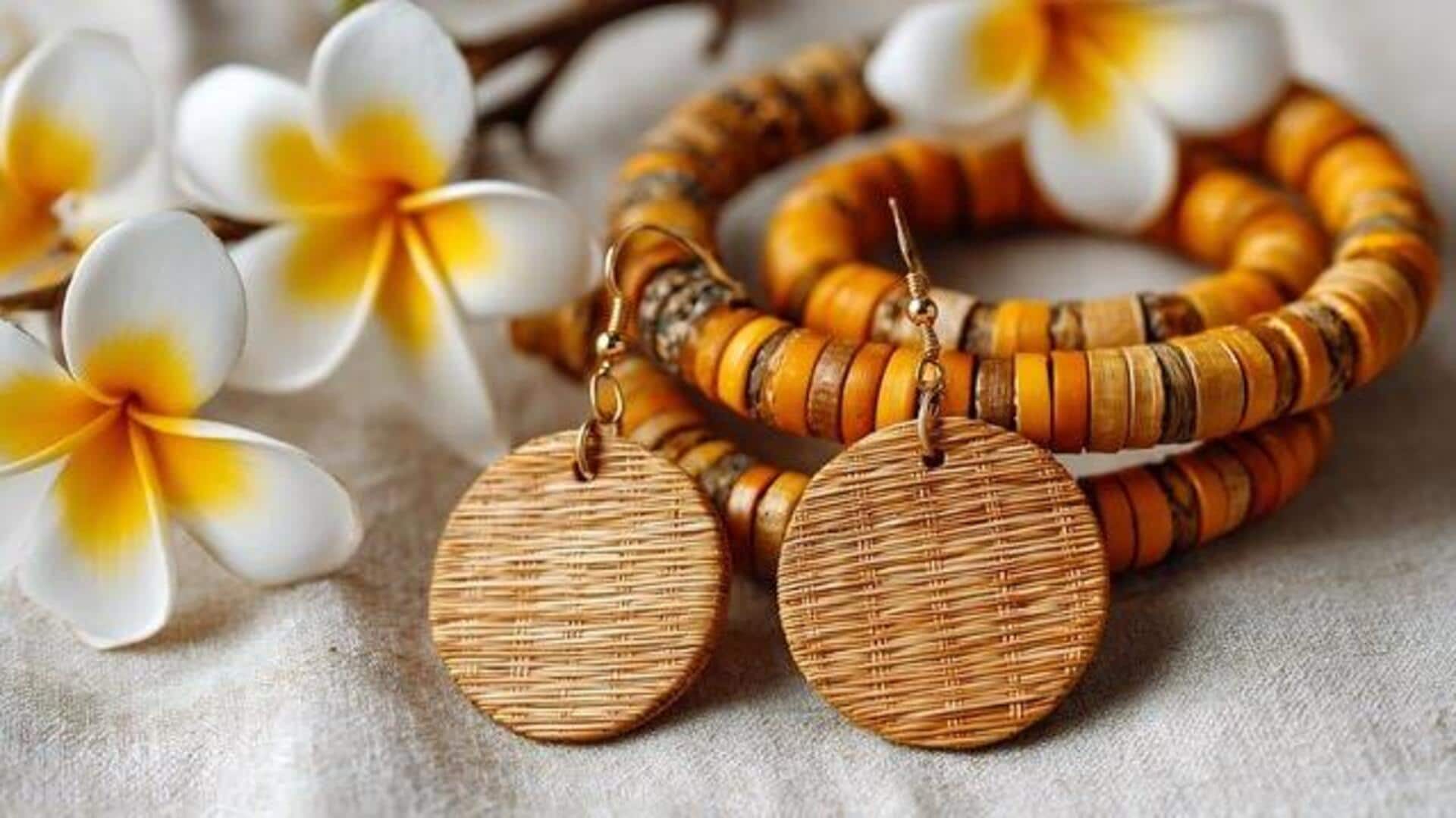
How artisans are using bamboo to make sustainable jewelry
What's the story
Creating sustainable African jewelry with bamboo and clay is not just an eco-friendly craft, but also a way to preserve cultural heritage. The use of natural materials ensures minimal environmental impact while allowing artisans to express their creativity. Bamboo, a fast-growing plant, provides a durable, yet lightweight, base for jewelry pieces. Clay, on the other hand, offers versatility in design and easy moldability. Together, they create unique pieces that reflect African traditions and modern aesthetics.
Tip 1
Sourcing bamboo sustainably
Sourcing bamboo sustainably is key to eco-friendly jewelry making.
Choose bamboo from certified plantations or local communities practicing sustainable harvesting methods.
This ensures that the bamboo is not overharvested and can continue to grow for future use.
Working directly with local suppliers also supports community economies and promotes environmental conservation efforts.
Tip 2
Crafting techniques for bamboo jewelry
Crafting techniques for bamboo jewelry include cutting, bending, and weaving the material into intricate designs.
Artisans often use simple tools to shape the bamboo into desired forms, ensuring minimal waste in the process.
Incorporating traditional African patterns can add cultural significance to each piece while showcasing the artisan's skill.
Tip 3
Utilizing clay for unique designs
Clay is ideal for creating unique beads and pendants that can be incorporated into bamboo jewelry.
Its malleability allows artisans to craft detailed designs easily.
Once shaped, clay pieces are often fired or air-dried to harden them before being assembled with bamboo elements.
Using natural dyes or paints further enhances their aesthetic appeal, without compromising sustainability.
Tip 4
Marketing sustainable jewelry effectively
Marketing sustainable jewelry effectively involves highlighting its eco-friendly aspects and cultural significance.
Online platforms provide an excellent opportunity to reach global audiences interested in ethical fashion choices.
Sharing stories about the craftsmanship process and the materials used can attract customers who value sustainability over mass-produced items.