Mochitsuki: The ancient art of mochi-making in Japan
What's the story
Mochitsuki is an ancient Japanese tradition of making mochi, a rice cake that is an integral part of Japanese culture. The process involves steaming glutinous rice and pounding it to a sticky paste. This practice is usually performed during festivals and celebrations, symbolizing prosperity and good fortune. Mochitsuki brings communities together, preserving cultural heritage through generations.
#1
The traditional process of mochi-making
The traditional mochi-making process starts with soaking glutinous rice overnight.
The rice is then steamed until soft.
Once cooked, the rice is pounded with wooden mallets in a mortar called usu.
This requires teamwork and rhythm to achieve the desired texture.
The pounded rice is shaped into small cakes or balls, which can be eaten plain or with various fillings.
#2
Cultural significance of mochi
Mochi has deep cultural significance in Japan, where it is associated with New Year celebrations and other festivals.
It symbolizes wealth and prosperity because of its round shape, representing coins.
In some regions, mochi is offered at shrines as a gesture of gratitude for bountiful harvests.
#3
Modern adaptations and uses
While traditional mochi remains popular, modern adaptations have emerged to cater to diverse tastes.
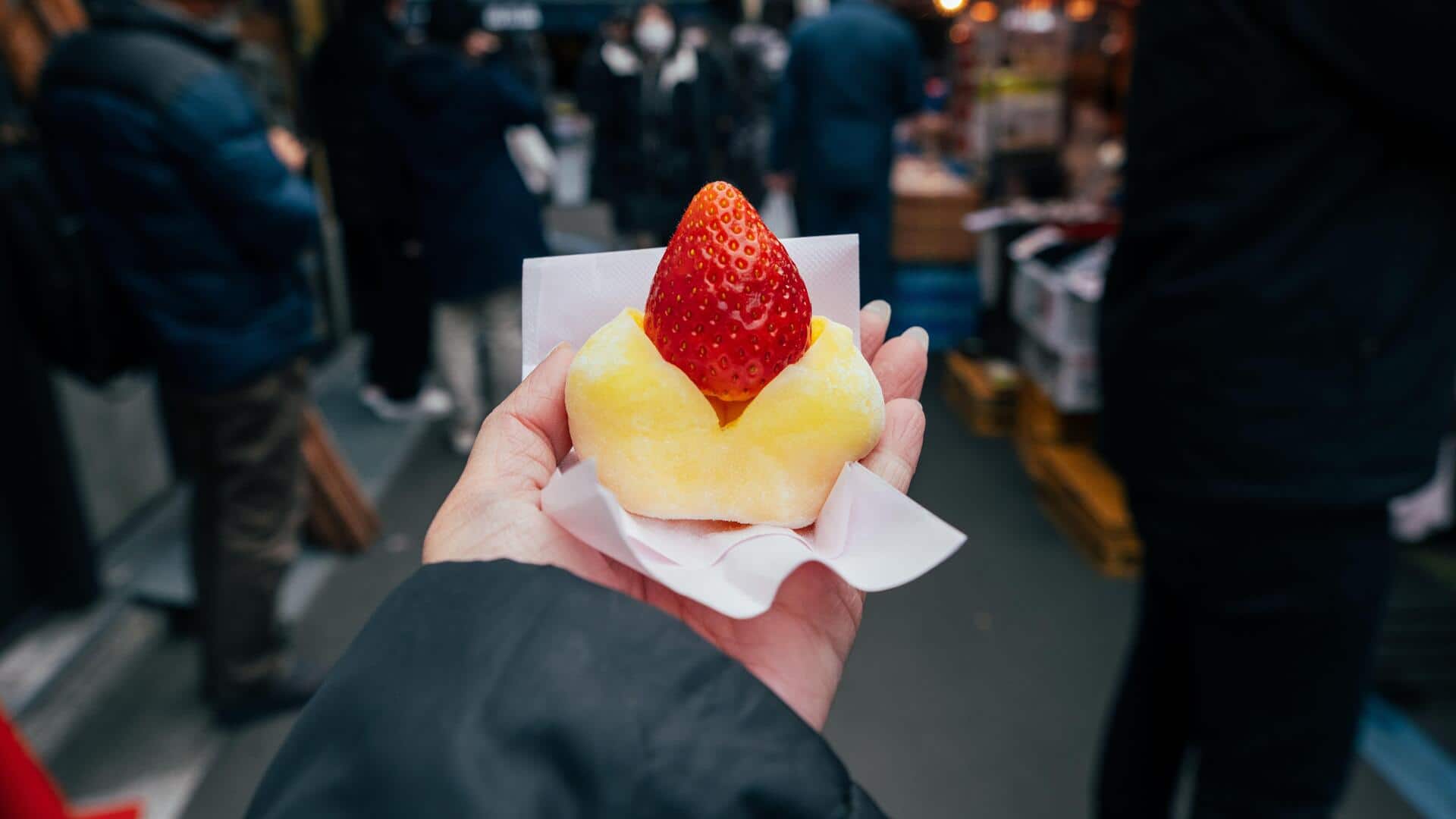
Today, you can find mochi filled with sweet red bean paste or even ice cream.
These variations have made mochi accessible to a wider audience while preserving its cultural essence.
#4
Community bonding through mochi-making events
Mochitsuki events are often community affairs where families gather to participate in this time-honored tradition.
These gatherings foster social bonds as people share stories while working together toward a common goal: the creation of delicious treats that embody their heritage's spirit.