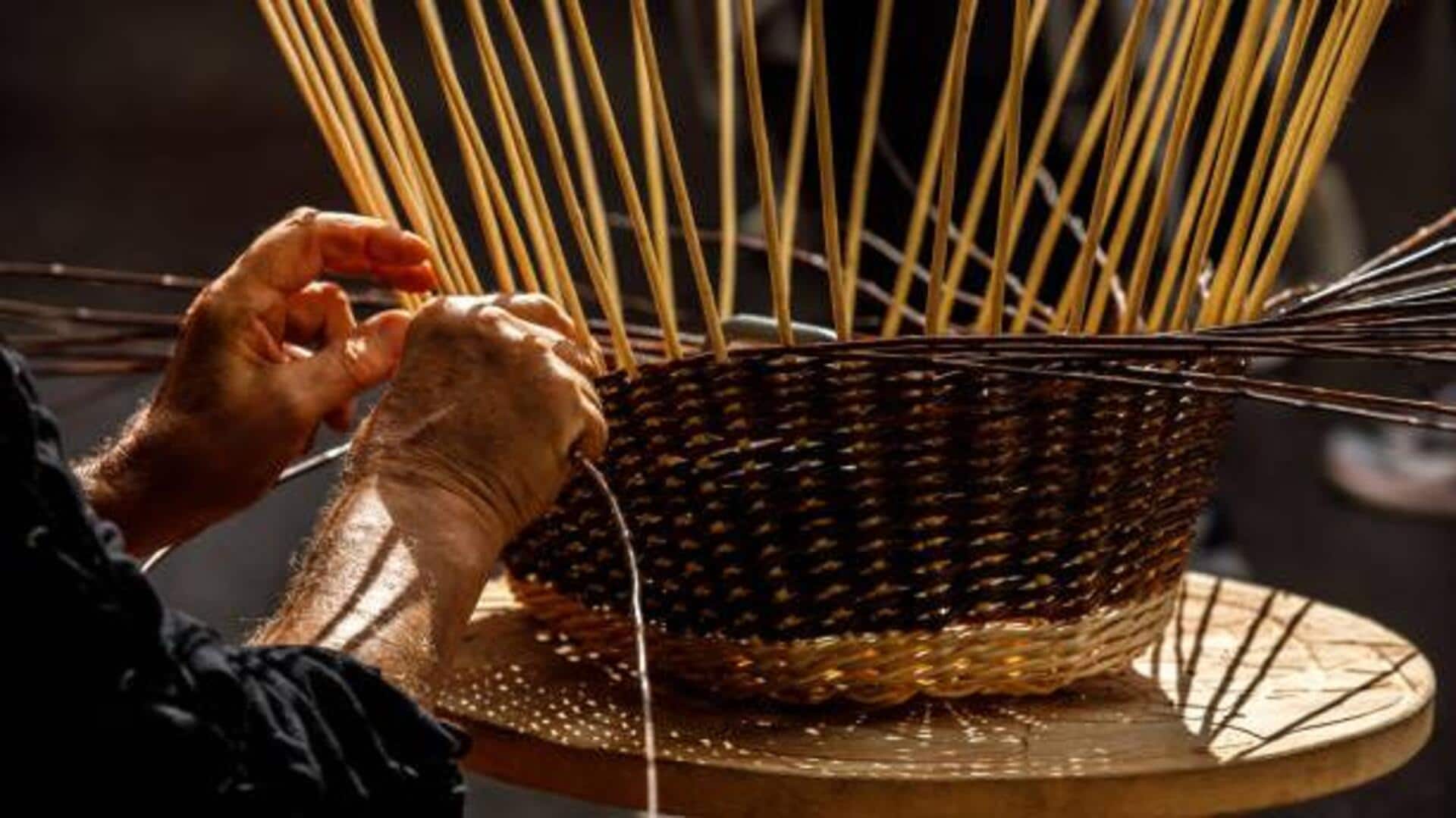
What is Kikuyu basket weaving?
What's the story
Kikuyu basket weaving is a traditional art form passed down through generations in Kenya. The craft, which is part of the Kikuyu culture, is known for its intricate designs and practical use. While the traditional baskets were used for carrying goods, modern adaptations have found new purposes and styles. These adaptations not only preserve the cultural heritage but also make it relevant in today's world.
#1
Functional art pieces
Modern Kikuyu baskets are increasingly used as functional art pieces in homes and offices.
They serve as decorative storage solutions or planters, adding a touch of African heritage to contemporary interiors.
The versatility of these baskets makes them appealing to a wide range of consumers looking for unique home decor items that blend tradition with modern aesthetics.
#2
Eco-friendly fashion accessories
Kikuyu basket weaving techniques have also been adapted into eco-friendly fashion accessories, such as handbags and jewelry.
These items appeal to environmentally conscious consumers who appreciate sustainable craftsmanship.
By using natural materials and traditional methods, artisans create stylish accessories that reflect both cultural significance and modern trends.
#3
Educational tools for cultural preservation
Incorporating Kikuyu basket weaving into educational programs is a great way to promote cultural preservation.
Schools and community centers often conduct workshops where participants can learn this skill.
Not only does it keep the tradition alive, but it also raises awareness about the Kikuyu culture among younger generations.
Such initiatives help keep the art form alive for years to come.
#4
Economic empowerment through tourism
The growing interest in African crafts has opened up economic opportunities for Kikuyu weavers through tourism.
Visitors to Kenya often seek authentic experiences by engaging with local artisans or purchasing handmade products as souvenirs.
This not only supports local economies but also encourages the continuation of traditional practices within communities.