All about Sudanese weaving
What's the story
Sudanese weaving techniques have been an integral part of the region's cultural heritage for centuries. These methods, which are passed down through generations, are now being reimagined by contemporary artists. By combining traditional practices with modern artistic expressions, these artists are creating unique textile art that reflects both historical significance and modern innovation. This article explores the impact of these techniques on contemporary textile art.
#1
Traditional techniques reimagined
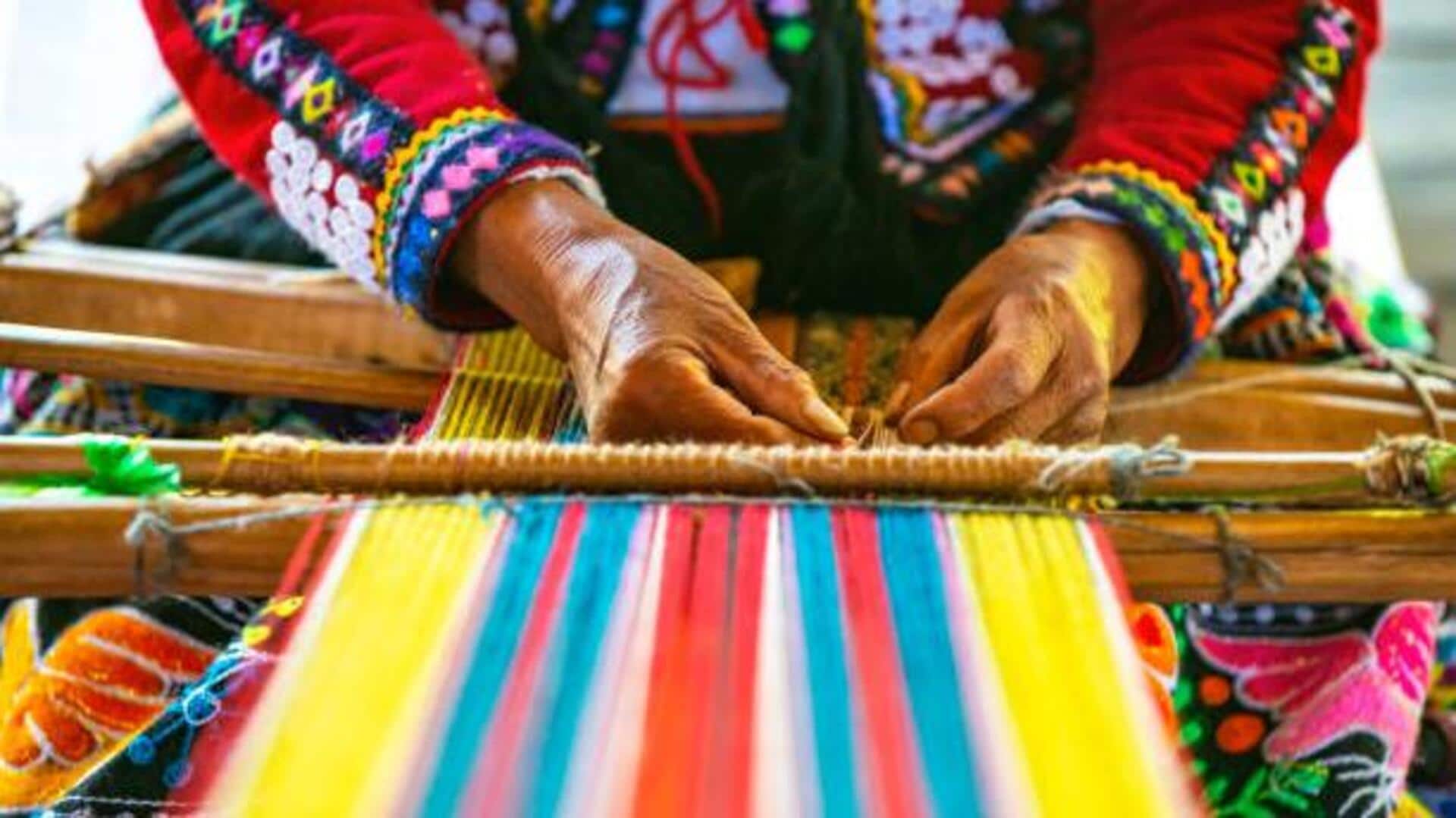
Traditional Sudanese weaving techniques involve intricate patterns and designs that carry cultural meanings.
Contemporary artists are reimagining these techniques by incorporating new materials and methods.
This fusion of old and new allows for the creation of textiles that maintain cultural relevance while appealing to modern aesthetics.
The result is a dynamic art form that honors its roots, but isn't afraid to evolve.
#2
Influence on modern fashion
The influence of Sudanese weaving techniques has also seeped into modern fashion. Designers are using these traditional patterns in clothing lines, giving them a global platform.
This not only helps preserve the cultural heritage but also introduces it to new audiences.
The incorporation of these techniques into fashion highlights their versatility and timeless appeal.
#3
Economic impact on local communities
The revival of Sudanese weaving techniques has also had a positive economic impact on local communities.
By promoting these textiles in the global market, artisans are able to earn a sustainable income.
This economic boost helps support community development initiatives and encourages the preservation of traditional crafts.
#4
Educational initiatives for cultural preservation
Educational initiatives are also key to preserving Sudanese weaving techniques for future generations.
Workshops and training programs are being organized to teach young people about these traditional practices.
By passing on this knowledge, communities can ensure that their cultural heritage continues to thrive in an ever-changing world.