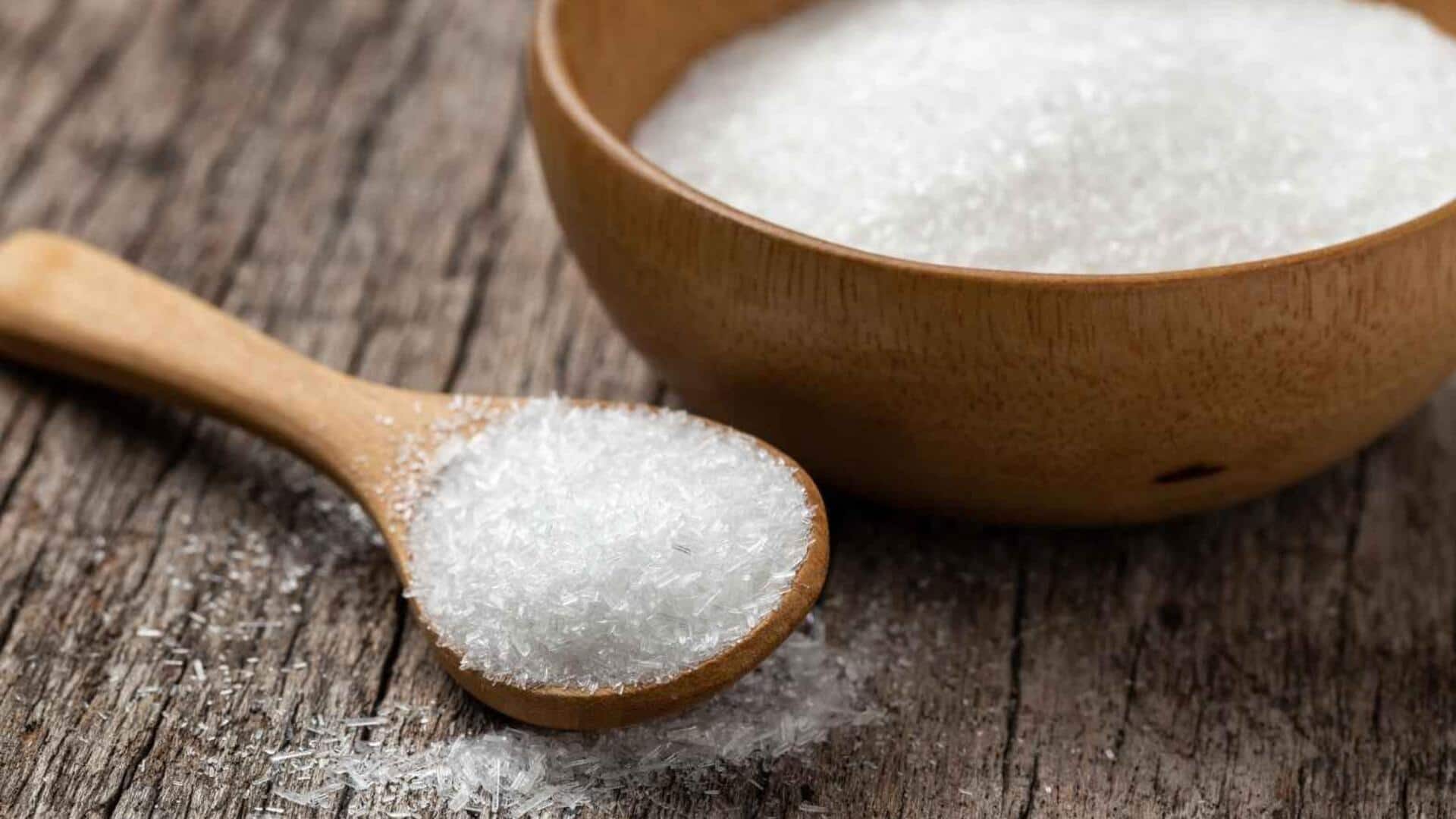
MSG in cooking: What you should know
What's the story
Monosodium glutamate (MSG) has been a hot topic for years, with many claiming it causes a number of health issues. However, scientific evidence does not support these claims. In fact, MSG is a flavor enhancer that can make your food taste better without adding calories or sodium. Knowing the facts about MSG can help you make informed decisions about its use in your cooking.
#1
Understanding monosodium glutamate
MSG is a sodium salt of glutamic acid, an amino acid that occurs naturally in many foods, such as tomatoes and cheese.
It works by stimulating the umami taste receptors on our tongue, giving a savory flavor to dishes.
MSG is commonly used in processed foods and restaurant meals to enhance taste without using more salt or sugar.
#2
Scientific studies on MSG safety
Numerous studies have been conducted to determine the safety of MSG consumption.
The U.S. Food and Drug Administration, or FDA, has classified MSG as generally recognized as safe (GRAS).
Research has not shown any direct link between MSG and serious health problems when consumed within normal dietary limits.
#3
Benefits of using MSG in cooking
Using MSG in cooking can have several benefits.
It enhances the natural flavors of ingredients, allowing for richer and more complex taste profiles, without the need for additional spices or seasonings.
This can be particularly useful when trying to reduce sodium intake while still achieving satisfying flavor results.
Tip 1
Tips for incorporating MSG effectively
When incorporating MSG into your dishes, start with small amounts to gauge its impact on flavor.
It works best when added at the beginning of the cooking process, allowing it to meld with other ingredients.
Remember that moderation is key; too much can overpower other flavors in your recipe.