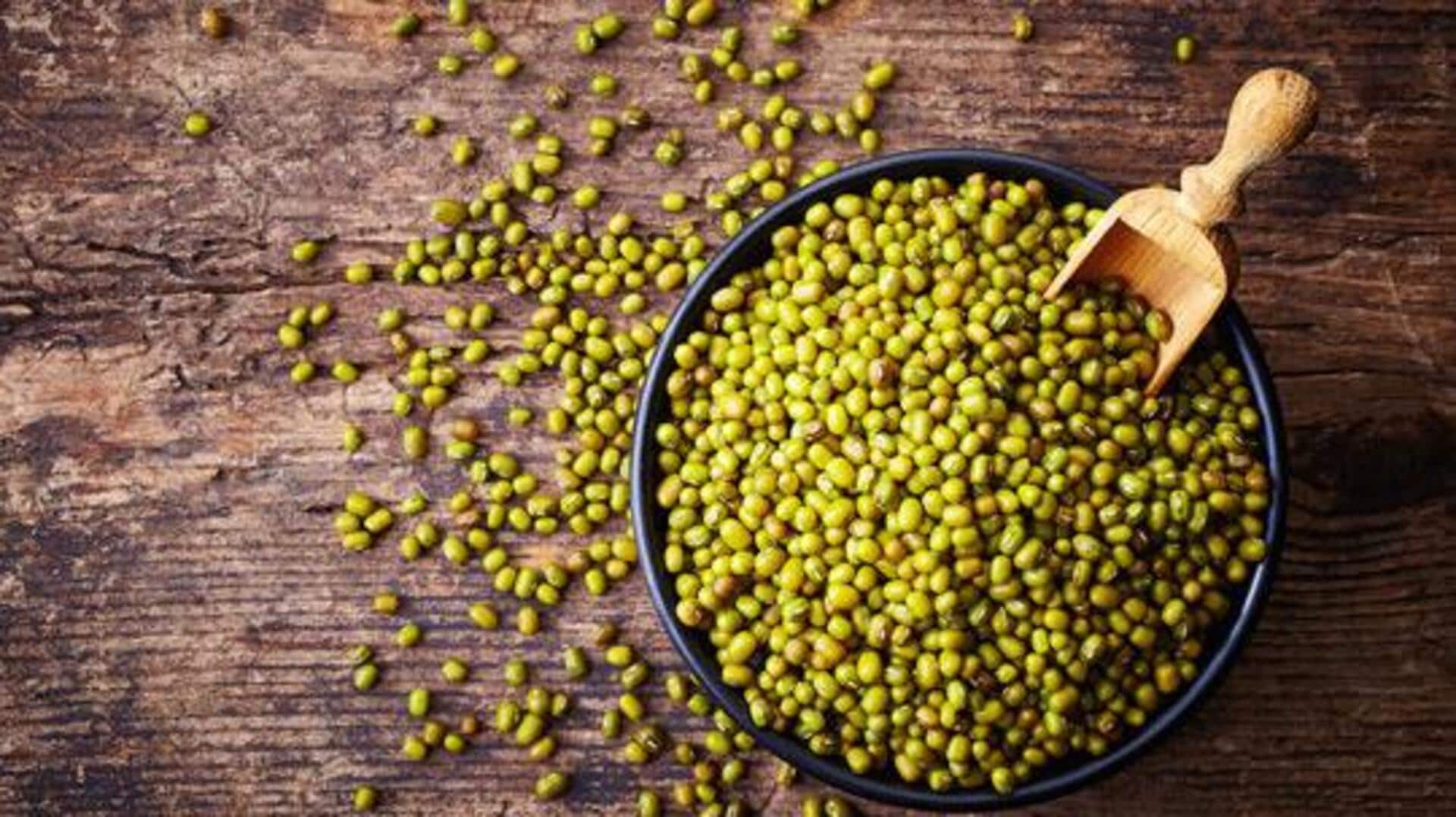
Mung beans: The plant-based protein everyone loves
What's the story
Mung beans from Djibouti are taking the vegan world by storm, thanks to their rich nutrient profile and versatility in the kitchen. These small green legumes are packed with protein, fiber, and essential vitamins, making them the perfect choice for anyone looking to up their plant-based diet. Their mild flavor makes them suitable for a variety of dishes, making them a staple in vegan kitchens around the world.
#1
Nutritional benefits of mung beans
Mung beans are loaded with nutrients essential for good health. They are an excellent source of plant-based protein, providing about 24 grams per cup when cooked. They are also rich in dietary fiber, which promotes digestion and keeps cholesterol levels in check. Mung beans also provide important vitamins such as vitamin C and vitamin K, and minerals such as magnesium and potassium.
#2
Versatility in cooking
One of the best things about mung beans is their versatility in cooking. They can be used in soups, stews, and salads or even as a filling for wraps. Their mild taste allows them to absorb the flavors of other ingredients easily, making them perfect for both savory and sweet dishes. Whether you are making a hearty soup or a refreshing salad, mung beans can be adapted to suit your culinary needs.
#3
Easy preparation methods
Preparing mung beans is simple and requires minimal ingredients. Before cooking, it is best to soak them for a few hours or overnight to reduce cooking time. Once soaked, they can be boiled until tender or sprouted for added nutritional benefits. Sprouting increases the vitamin content and makes the beans easier to digest. This simple preparation method makes mung beans accessible to everyone.
#4
Economic and sustainable choice
Mung beans from Djibouti also make an economical and sustainable choice for plant-based diets. They are usually cheaper than other protein sources, such as tofu or tempeh, while delivering similar nutritional benefits. Growing mung beans requires less water than other crops, making them an environmentally friendly option for conscientious consumers looking to reduce their carbon footprint through dietary choices.