
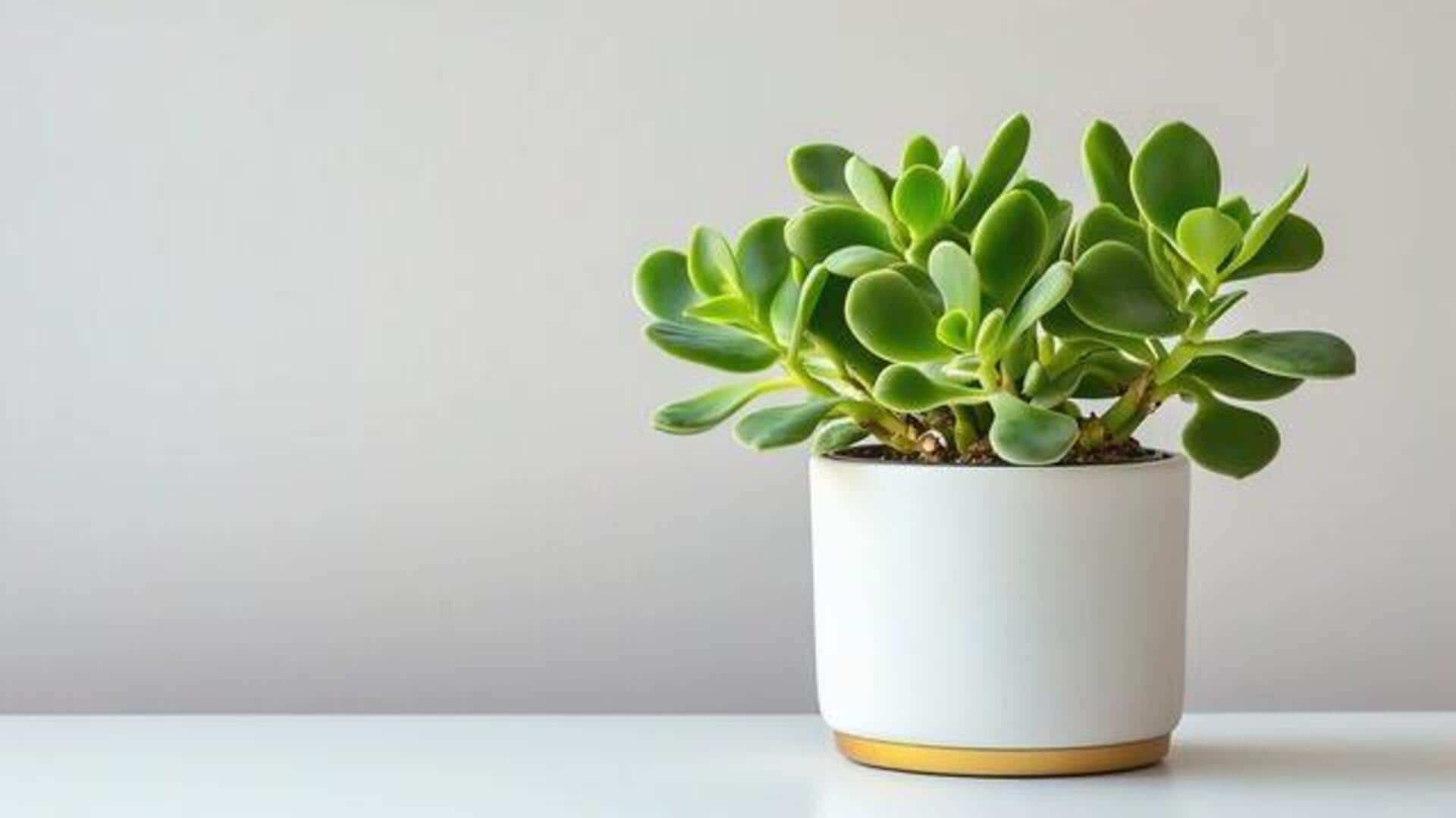
How to clean plant pots naturally at home
What's the story
Cleaning plant pots naturally is an effective way to keep your plants healthy. Over time, pots can accumulate dirt, algae, and mineral deposits that may affect plant growth. Using natural methods not only cleans the pots but also avoids harmful chemicals that could leach into the soil. Here are some practical tips to clean your plant pots using everyday household items.
Tip 1
Baking soda solution for tough stains
Baking soda is a versatile cleaning agent that can help remove tough stains from plant pots. To use it, mix two tablespoons of baking soda with water to form a paste. Apply this paste on stained areas and let it sit for about 15 minutes before scrubbing with a brush or sponge. Rinse thoroughly with water afterward. This method effectively lifts stains without scratching the pot's surface.
Tip 2
Vinegar soak for mineral deposits
Vinegar is excellent for breaking down mineral deposits that accumulate on plant pots over time. Simply fill a basin with equal parts of water and white vinegar and soak the pot in this solution for about 30 minutes. The acetic acid in vinegar helps dissolve mineral buildup, making it easy to wipe off with a cloth or sponge afterward.
Tip 3
Lemon juice as a natural disinfectant
Lemon juice has natural antibacterial properties, making it an excellent choice for disinfecting plant pots. Squeeze fresh lemon juice directly onto the surfaces of the pot and let it sit for 10 minutes before rinsing off with warm water. The citric acid helps eliminate bacteria while leaving behind a fresh scent.
Tip 4
Salt scrub for extra cleaning power
Salt can be used as an abrasive cleaner to scrub away stubborn grime on plant pots. Mix one tablespoon of salt with some water to create a gritty paste, and apply it directly onto dirty areas using a cloth or sponge. Scrub gently until dirt loosens, then rinse well under running water. This method provides extra cleaning power without damaging surfaces.