
Nubian faience tiles: A timeless decor gem
What's the story
Nubian faience tiles are an ancient Egyptian art form that has stood the test of time. These tiles, made from a glass-like paste, were used in various decorative applications in ancient Egypt. Famous for their vibrant colors and intricate designs, they are a testament to the craftsmanship of the Nubian artisans. Today, these tiles are not just a piece of history but also a source of inspiration for modern decor.
#1
Historical significance of Nubian faience
Nubian faience dates back to ancient Egypt, where it was widely used for amulets and decorative items. The material was made by mixing silica with alkaline substances and coloring agents. The mixture was then molded and fired to create its characteristic glossy finish. This technique allowed artisans to create detailed patterns and vibrant colors, making it a popular choice for both functional and ornamental purposes.
#2
Modern applications in interior design
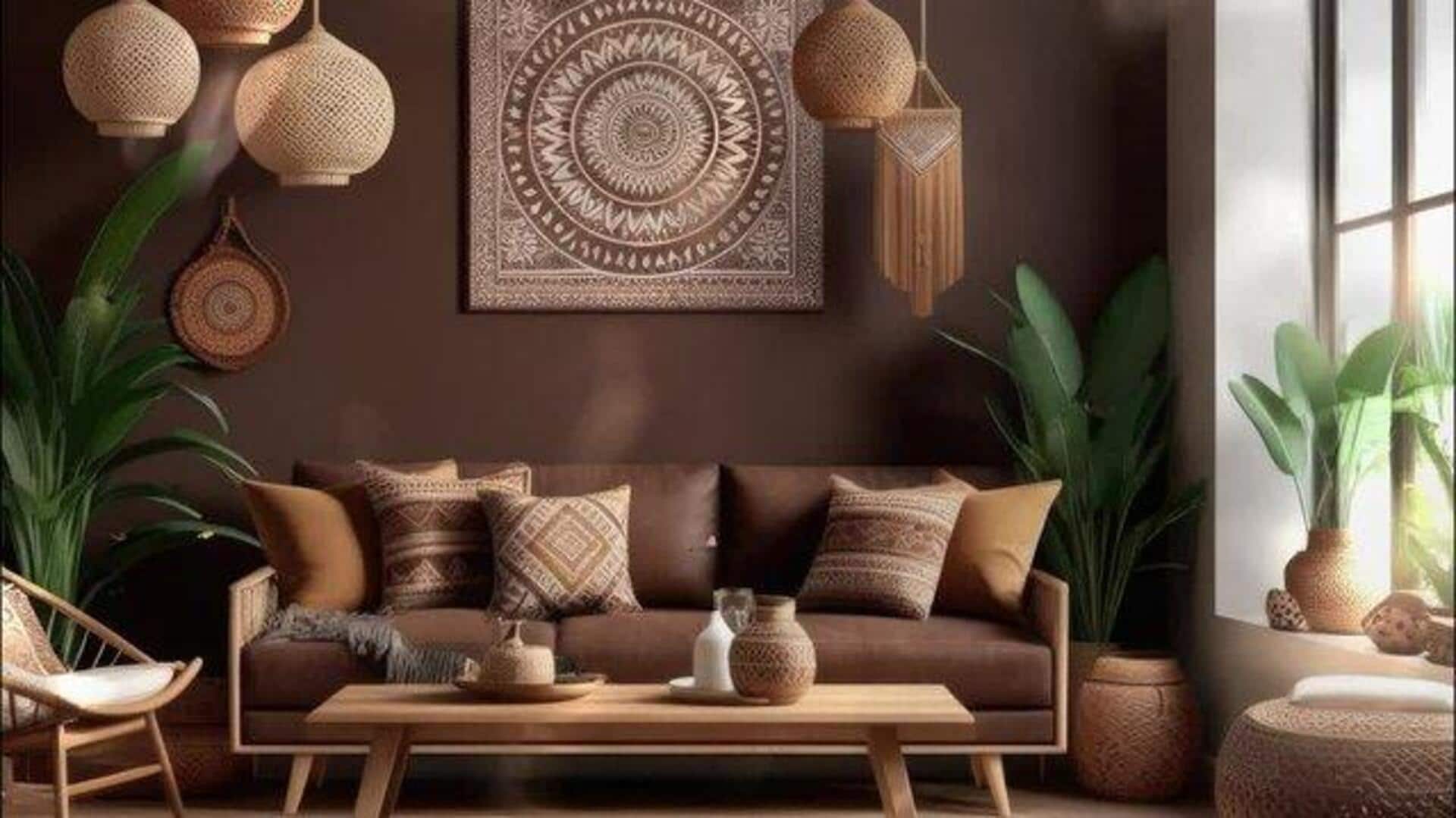
Today, the beauty of Nubian faience tiles is being rediscovered in the world of interior design. Homeowners and designers alike are drawn to their unique aesthetic appeal. These tiles can be used as backsplashes in kitchens or bathrooms, or as accent pieces on walls or floors. Their durability makes them suitable for high-traffic areas, while adding a touch of elegance to any space.
#3
Cultural influence on contemporary art
The influence of Nubian faience extends beyond traditional uses into contemporary art forms. Artists often draw inspiration from the vibrant colors and geometric patterns found in these ancient tiles. This cultural connection is evident in various mediums such as ceramics, mosaics, and textiles that incorporate similar design elements.
Tip 1
Tips for incorporating faience tiles at home
If you're looking to add some Nubian faience tiles to your home decor, start by picking a color scheme that goes with your existing decor. The tiles come in a variety of colors, so you can mix and match them or go monochromatic for a more understated look. Use them as accent pieces on walls or floors, or pair them with neutral tones for a balanced look.