Which is better for agility, parkour or swimming?
What's the story
Parkour and swimming are two distinct activities that promise unique benefits. While parkour involves running, jumping, and climbing over obstacles, swimming is a full-body workout in water. Both can improve agility, but in different ways. Knowing how each activity contributes to agility can help you choose the right one for your fitness goals. Here's a look at how parkour and swimming improve agility.
#1
Parkour's dynamic movements
Parkour is all about fluid, dynamic movements that require quick reflexes and coordination.
The practice involves vaulting over obstacles, precision jumping, and landing with control.
These actions improve your neuromuscular connections, which are essential for agility.
The more you practice parkour, the better you become at adjusting your body in midair or while landing, which directly improves your overall agility.
#2
Swimming's full-body engagement
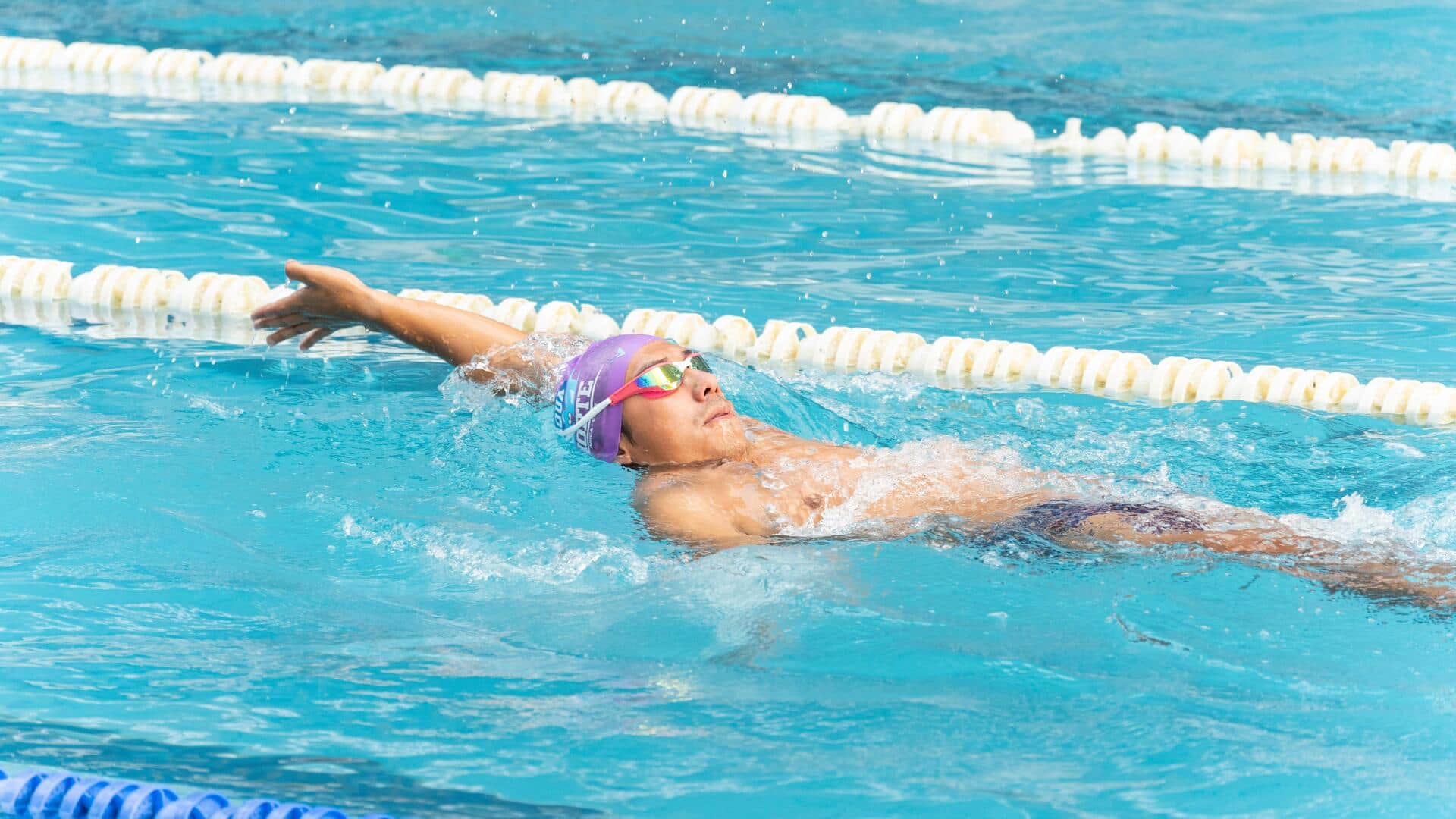
Swimming is a full-body workout that engages multiple muscle groups at once.
The resistance of water forces swimmers to maintain balance and coordination throughout their strokes.
Writing This constant engagement improves proprioception, the body's ability to sense movement and position. This skill is essential for agility.
Regular swimming sessions can enhance your body's responsiveness to sudden changes in direction or speed.
#3
Mental focus in parkour training
Parkour requires a high level of mental focus, as practitioners assess obstacles and plan their movements quickly.
This mental engagement improves cognitive agility. It is the ability to process information quickly and make decisions under pressure.
By training in environments where quick thinking is essential, individuals can develop both physical and mental agility simultaneously.
#4
Cardiovascular benefits of swimming
Swimming is also a great cardiovascular workout, which improves heart health and endurance levels.
A strong cardiovascular system ensures better oxygen delivery throughout the body during physical activities like jumping or sprinting in parkour training sessions.
Improved endurance helps you sustain high-intensity efforts for longer without getting tired too quickly.
This is important for better athletic performance in agility-based sports and exercises.