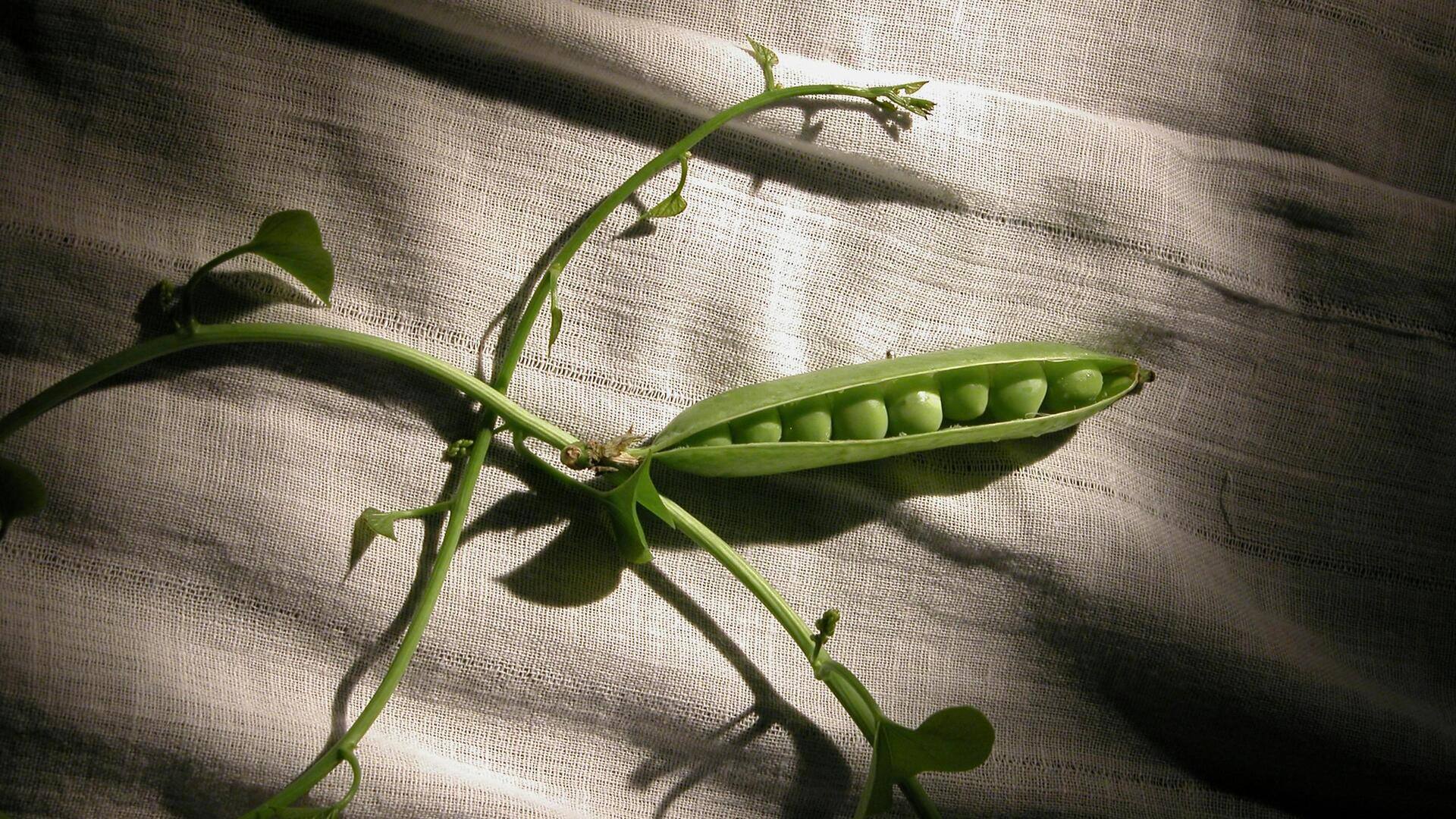
Peas v/s capsicum: Which vegetable is more nutritious?
What's the story
Peas and capsicum are two popular vegetables often compared for their nutritional benefits. While both are packed with essential nutrients, they provide different health benefits. Knowing the nutritional profiles of these vegetables can help you make informed dietary choices. In this article, we will delve into the nutritional aspects of peas and capsicum, highlighting their vitamins, minerals, and other health-promoting compounds.
#1
Vitamin content comparison
Peas are a rich source of vitamin C, which is essential for boosting the immune system and skin health. They also provide vitamin K, which is essential for bone health. Capsicum, especially the red variety, is loaded with vitamin A due to its beta-carotene content. It also provides a good amount of vitamin C, but eclipses peas in this regard. This makes capsicum an excellent choice for those looking to boost their vitamin A intake.
#2
Mineral richness in vegetables
Both peas and capsicum provide essential minerals that promote overall health. Peas are a good source of iron and magnesium, which are important for energy production and muscle function. Capsicum provides more potassium than peas, which helps in maintaining healthy blood pressure levels. Both vegetables make great additions to a balanced diet due to their unique mineral profiles.
#3
Antioxidant properties explored
Antioxidants are important for fighting oxidative stress in the body. Capsicum is rich in antioxidants like flavonoids and carotenoids, which help protect cells from damage by free radicals. Peas also have antioxidants, such as flavonoids, but in lesser amounts than capsicum. Eating these vegetables regularly can help improve your body's defense against oxidative stress.
#4
Dietary fiber content analysis
Dietary fiber is important for digestive health and keeping cholesterol levels in check. Peas are particularly high in fiber, making them excellent for promoting regular bowel movements and keeping you full after meals. Capsicum also has fiber, but in lesser amounts than peas. Adding either vegetable to your diet can help you meet your daily fiber requirement while enjoying different flavors.