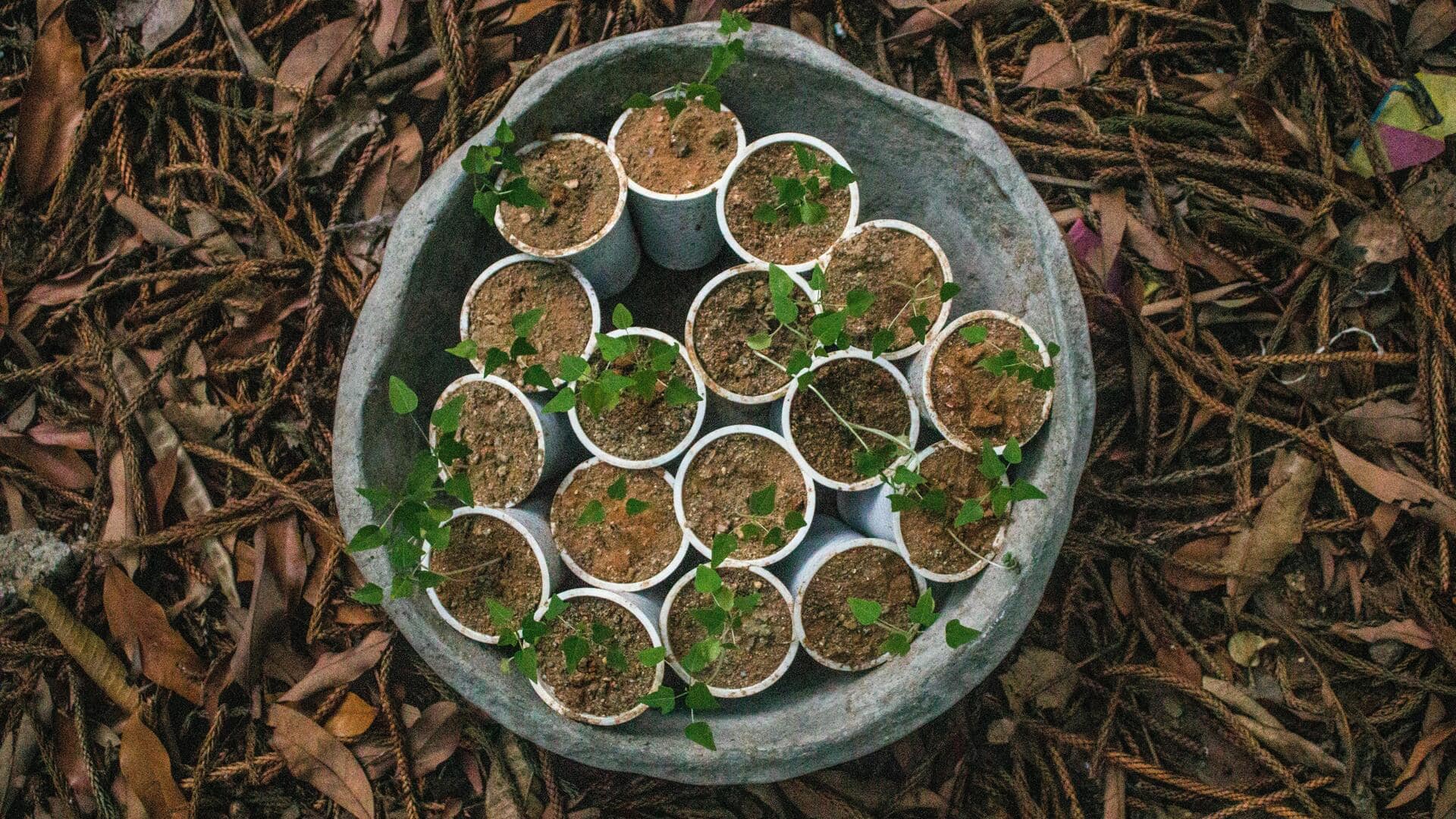
Make your own planters from recycled items
What's the story
Creating eco-friendly planters from recycled materials is a sustainable way to contribute to the environment. This practice not only reduces waste but also encourages creativity and resourcefulness. By repurposing items that would otherwise be discarded, individuals can craft unique planters that add charm to any garden or indoor space. Here are some practical tips and insights into making the most of recycled materials for your next gardening project.
Tip 1
Choosing the right materials
Selecting suitable recycled materials is key to making durable planters. Old plastic bottles, tin cans, and wooden pallets make for great options. Make sure the material is clean and free of harmful residues. For instance, plastic bottles should be rinsed well to remove any leftover contents. Wooden pallets should be checked for rot or damage before use.
Tip 2
Designing your planter
Designing your planter is where creativity comes into play. Think about the shape and size according to the plants you want to grow. Cut plastic bottles into different shapes or use tin cans as small pots for herbs. Wooden pallets can be turned into large garden beds or vertical planters by stacking them up.
Tip 3
Ensuring proper drainage
Proper drainage is essential for healthy plant growth, so make sure your recycled planters have enough drainage holes. Use a sharp tool to poke holes in the plastic bottoms of bottles or cans. For wooden pallets, line the bottom with a breathable fabric or mesh before filling it with soil to keep moisture levels balanced.
Tip 4
Adding finishing touches
Once your planter is ready, add some finishing touches to make it more appealing and functional. Paint or decorate the exterior with natural dyes or eco-friendly paints if you want some color without harming the environment. Use jute rope or twine as handles on tin cans for easy transportability between indoor and outdoor settings.
Tip 5
Maintaining your planter
Regular maintenance keeps your recycled planter in good shape and your plants healthy. Check for leaks in plastic containers and replace them if required. Clean wooden pallets regularly to avoid rot. This way, you can keep your eco-friendly gardening projects going for a long time, promoting sustainability and creativity.