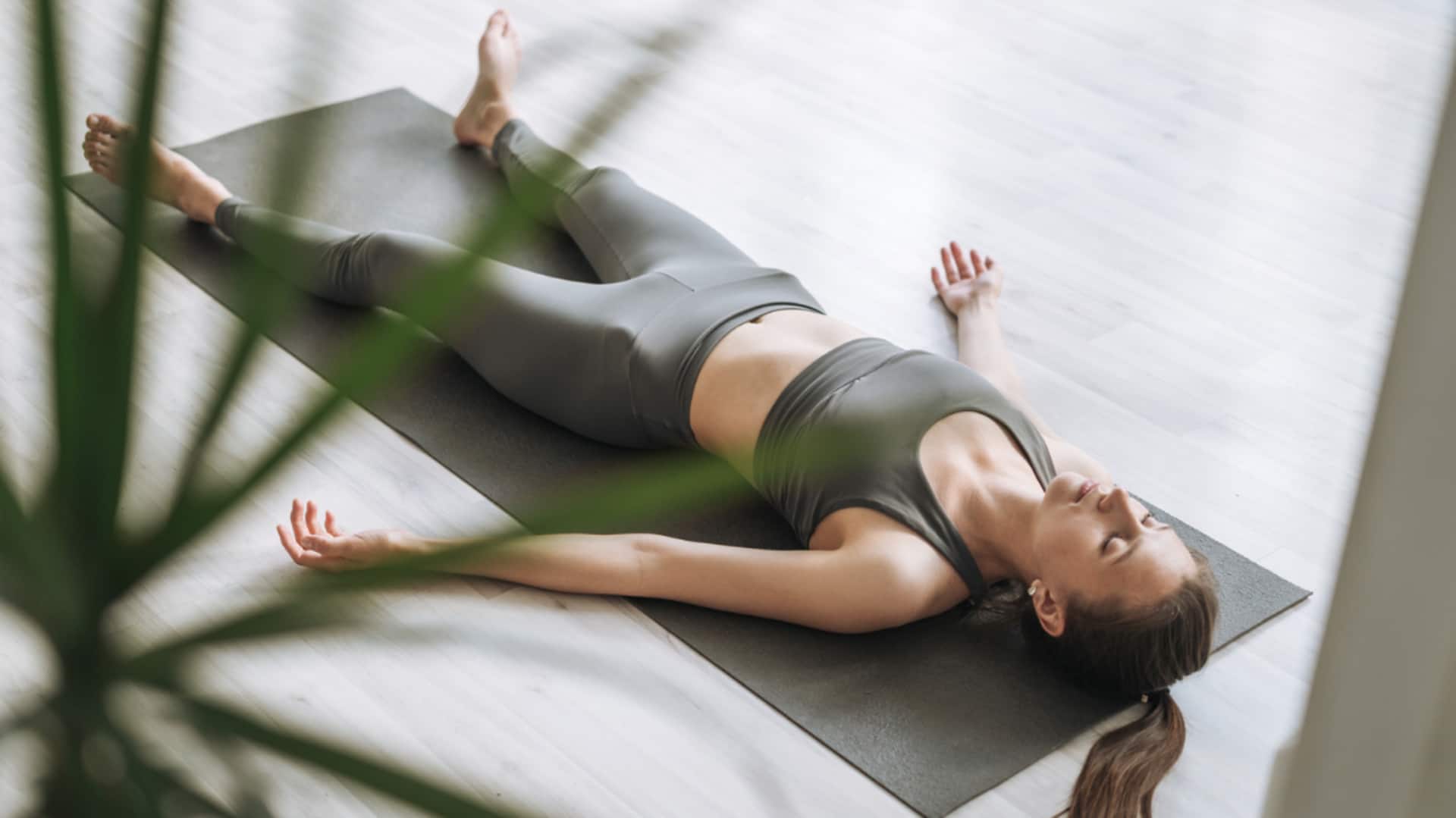
Progressive muscle relaxation: 5 tips to practice
What's the story
Progressive muscle relaxation (PMR) is a simple yet effective technique to reduce stress and improve mental well-being. The method involves tensing and then relaxing different muscle groups in the body, which helps to release tension and promote a sense of calm. By focusing on physical sensations, PMR can help individuals become more aware of their bodies and manage stress more effectively. Here are five ways to practice PMR for better mental health.
Tip 1
Start with deep breathing
Before you start progressive muscle relaxation, begin with deep breathing exercises.
Take slow, deep breaths in through your nose and out through your mouth. This will help calm your mind and prepare your body for relaxation.
Deep breathing increases oxygen flow to the brain, which can help reduce anxiety levels and improve focus.
Tip 2
Focus on one muscle group at a time
When practicing PMR, focus on one muscle group at a time.
Start from your toes and work your way up to your head or vice versa.
Tense each muscle group for five seconds before releasing the tension slowly.
Pay attention to how the muscles feel when they are tense compared to when they are relaxed.
Tip 3
Use visualization techniques
Incorporate visualization techniques into your PMR practice by imagining peaceful scenes or environments while you relax each muscle group.
Visualizing calming images can enhance the relaxation experience by diverting attention away from stressors and promoting a sense of tranquility.
Tip 4
Practice regularly for best results
To reap the maximum benefits of progressive muscle relaxation, make it a part of your daily routine.
Regular practice can improve your ability to manage stress and improve your overall mental health.
Even if you practice for just 10 minutes every day, you can see a significant difference in how relaxed you feel over time.
Tip 5
Combine PMR with mindfulness
Combining progressive muscle relaxation with mindfulness practices can further enhance its effectiveness in reducing stress levels.
While practicing PMR, stay mindful of each sensation without judgment or distraction from external thoughts or worries.
This combination encourages greater awareness of both physical sensations and mental processes, leading to improved emotional regulation skills over time.