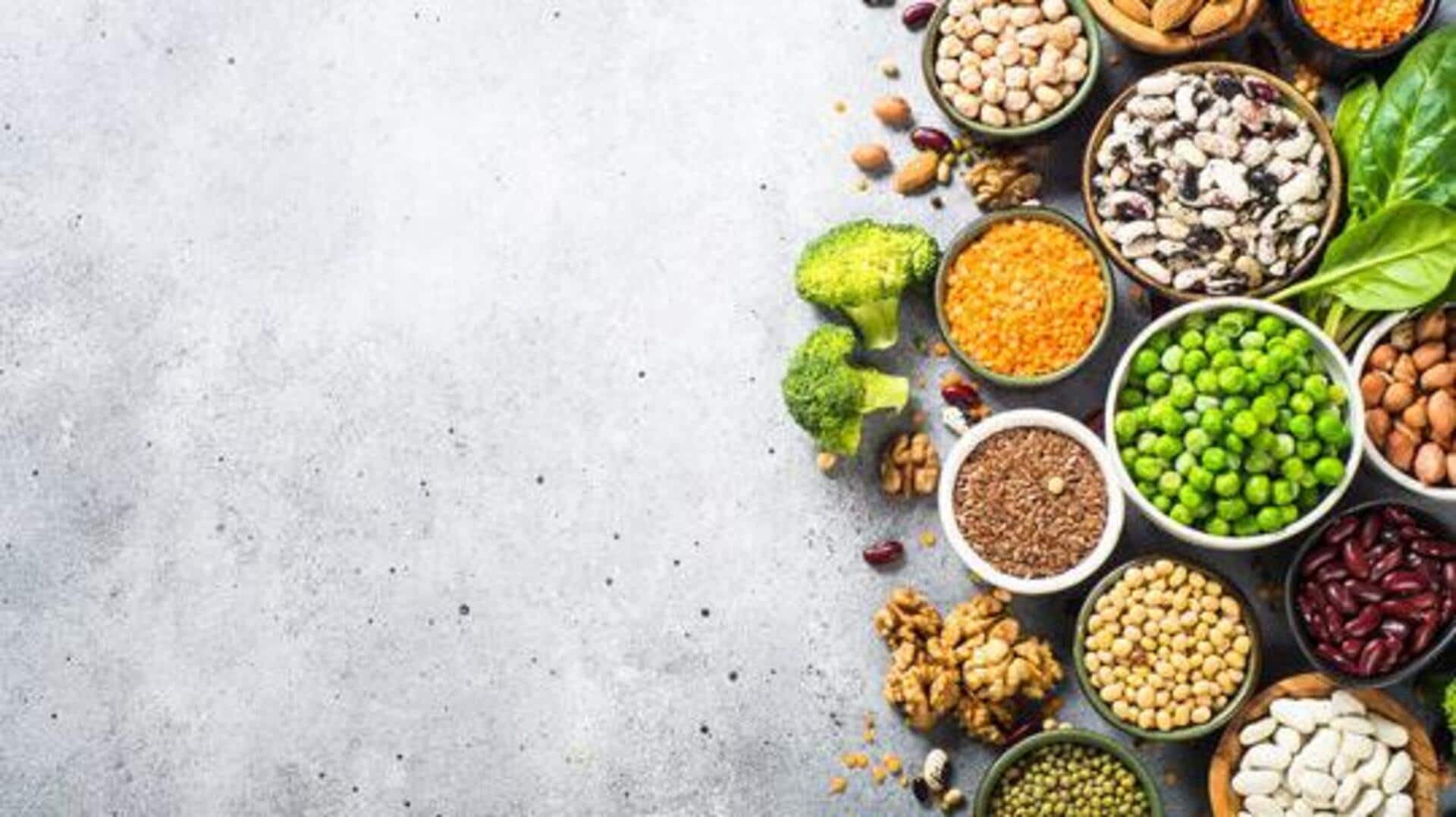
Protein is good for you, but these myths can mislead
What's the story
Protein intake is often misunderstood, with many believing that more protein equates to better health. However, the reality is more nuanced. Understanding the myths and facts about protein can help individuals make informed dietary choices. This article aims to clarify common misconceptions about protein intake and provide insights into what constitutes a balanced diet. By debunking myths, we hope to guide readers toward healthier eating habits without falling for popular misconceptions.
#1
Myth: More protein equals more muscle
Many believe that consuming more protein will automatically lead to increased muscle mass.
While protein is essential for muscle repair and growth, it is not the only factor.
A well-balanced diet, regular exercise, and adequate rest are equally important in building muscle.
Overconsumption of protein without these elements will not yield significant results and may even be detrimental to health.
#2
Myth: All proteins are created equal
Not all proteins are equal in nutritional value.
Animal-based proteins tend to have all essential amino acids required by the body, while plant-based proteins may lack some of them.
However, combining different plant sources, such as beans and grains, can provide a complete amino acid profile.
It's important to consider the source of your protein and its nutritional completeness.
#3
Myth: High protein diets are harmful
A common misconception is that high-protein diets are always harmful or lead to kidney damage.
For healthy individuals, high-protein diets can be safe if balanced with other nutrients, like carbohydrates and fats.
However, those with pre-existing kidney conditions should consult healthcare professionals before making drastic dietary changes.
#4
Myth: Protein supplements are necessary for everyone
Many think they need protein supplements to meet their daily requirements or enhance performance.
However, most people can get enough protein from whole foods like legumes, nuts, dairy products, and grains, without needing supplements.
Supplements may be useful for specific cases like athletes or people with dietary restrictions, but they aren't a necessity for everyone.