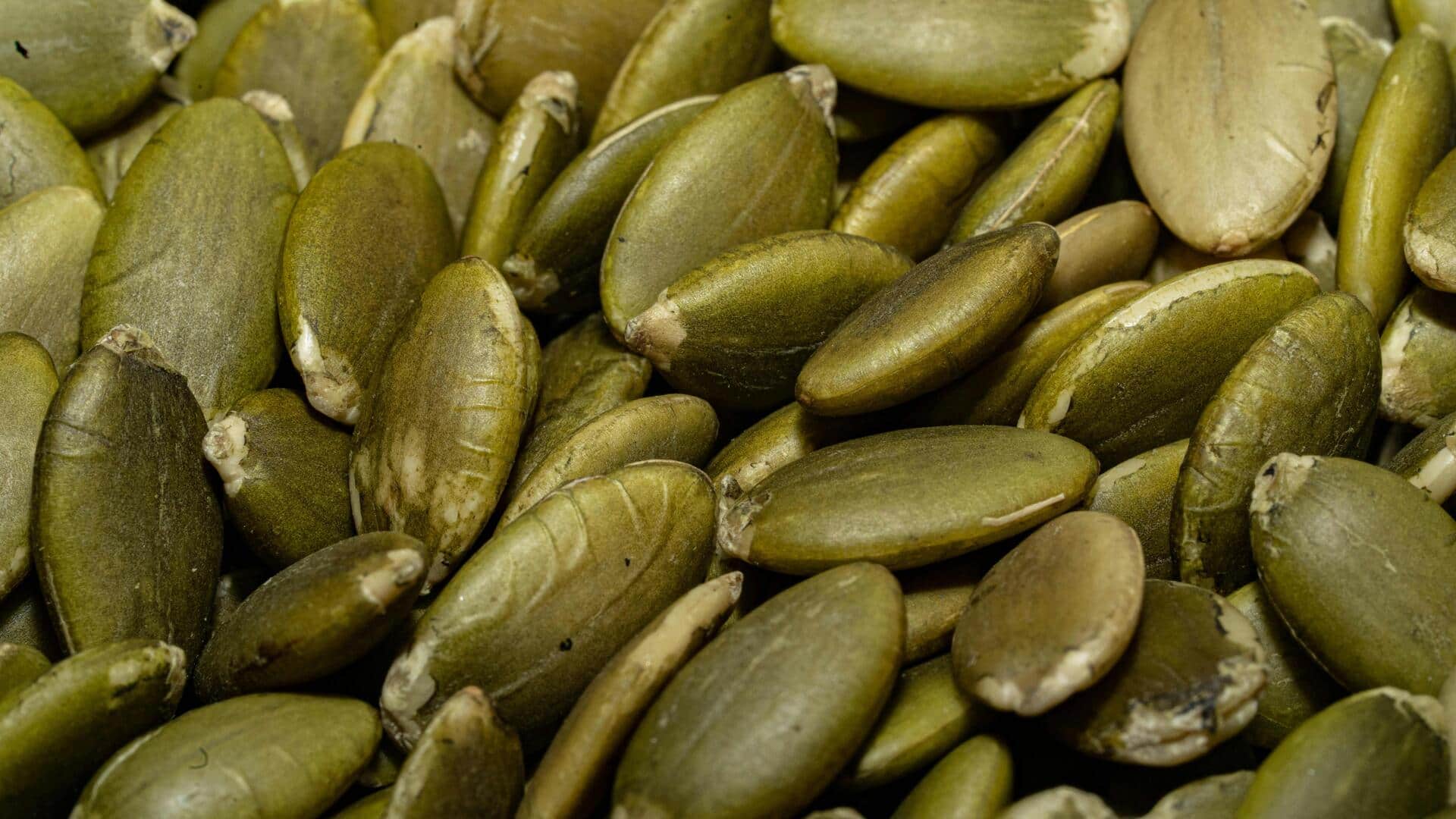
Pumpkin seeds v/s sunflower seeds: Which is healthier?
What's the story
Pumpkin seeds and sunflower seeds are two popular choices for snacking and adding to meals. Both are packed with nutrients, but they differ in their nutritional profiles. Knowing the differences can help you make informed dietary choices. This article delves into the nutritional aspects of pumpkin seeds and sunflower seeds, comparing their health benefits and what they offer in terms of vitamins, minerals, and other essential nutrients.
#1
Protein content comparison
Pumpkin seeds are known for their high protein content, providing about 30% more protein than sunflower seeds.
This makes them a great option for those looking to increase their protein intake without consuming animal products.
Sunflower seeds also provide a decent amount of protein but fall short of pumpkin seeds in this regard.
Both can be added to a balanced diet to meet daily protein requirements.
#2
Fat composition differences
Both pumpkin and sunflower seeds are loaded with healthy fats, but their composition differs.
Sunflower seeds are richer in polyunsaturated fats, which are good for heart health.
Pumpkin seeds have a good amount of monounsaturated fats, which are good for reducing inflammation.
Including either in your diet can provide essential fatty acids that promote overall well-being.
#3
Vitamin content analysis
Sunflower seeds are a great source of vitamin E, which is important for skin health and protecting cells from damage.
Pumpkin seeds provide vitamin K and some B vitamins, such as folate, which are important for blood clotting and energy production, respectively.
Depending on your vitamin needs, you can choose one over the other or include both in your diet.
#4
Mineral richness exploration
Both pumpkin and sunflower seeds are rich in important minerals such as magnesium, zinc, iron, and phosphorus.
However, pumpkin seeds are especially high in magnesium, which promotes bone health and muscle function.
Sunflower seeds provide more selenium, which promotes thyroid function and antioxidant protection.
Knowing these mineral differences can help you choose based on your dietary requirements.