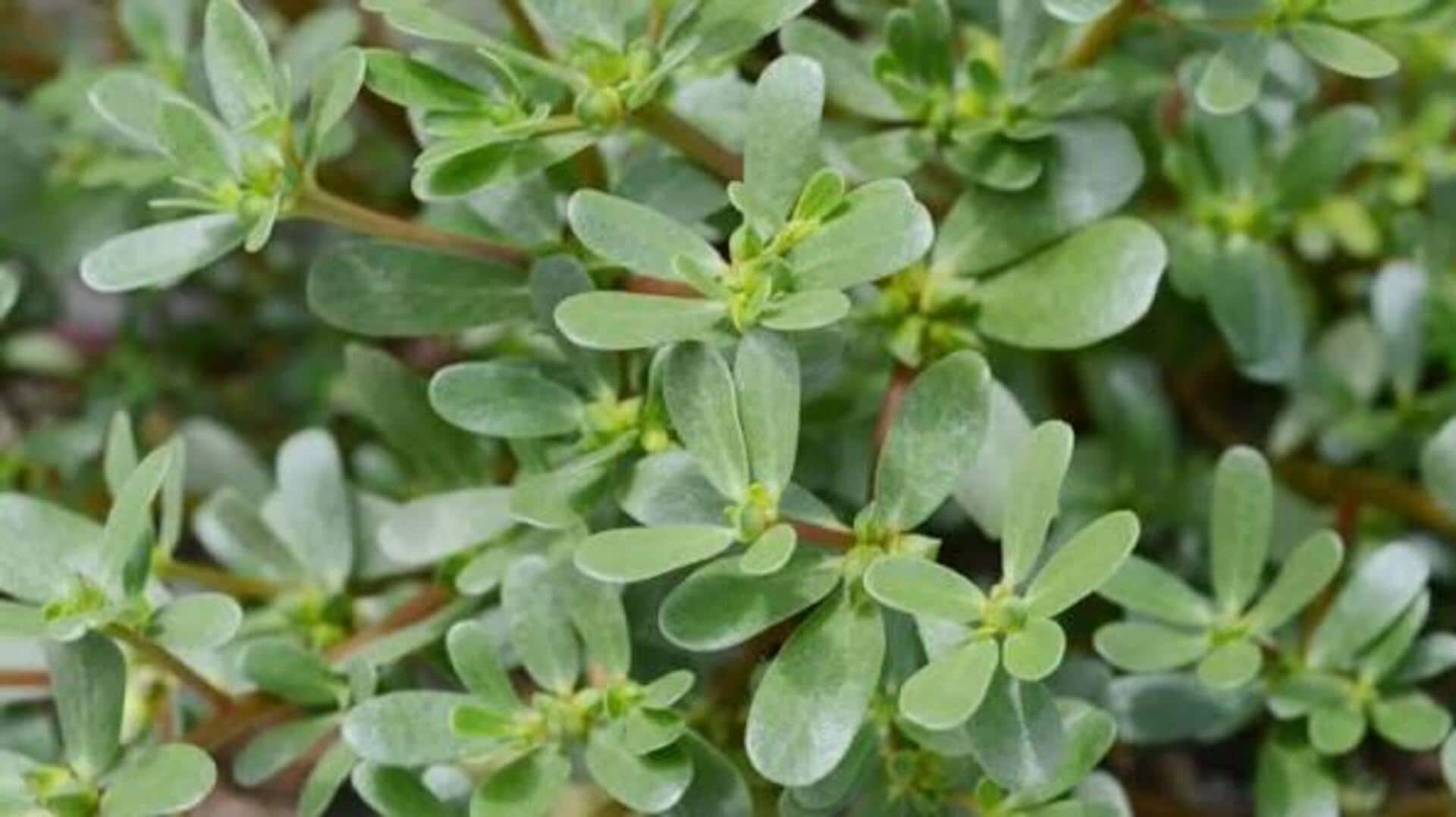
What is purslane? Here's why chefs love it
What's the story
Purslane, a humble weed that has been around for centuries, is now becoming a favorite among chefs and foodies alike. Known for its succulent leaves and slightly tangy flavor, this plant is packed with nutrients. As more and more people turn to natural ingredients, purslane is becoming a staple in kitchens around the world. Here is how this ancient weed is making its way into modern culinary practices.
#1
Nutritional powerhouse in your garden
Purslane is loaded with omega-3 fatty acids, antioxidants, vitamins A and C, and minerals like magnesium and potassium. This makes it an excellent addition to any healthy diet.
Its high water content also makes it a refreshing option for salads or smoothies.
With more people looking for nutrient-dense foods, purslane's popularity is only expected to increase.
#2
Versatile ingredient for various dishes
Chefs love purslane for its versatility in cooking. It can be used raw in salads or cooked in soups and stews without losing its texture or flavor.
The mild taste of purslane makes it go well with different ingredients, such as tomatoes, cucumbers, or grains like quinoa.
This adaptability makes it a favorite among those who love experimenting with new recipes.
#3
Sustainable choice for eco-conscious cooks
Since purslane grows easily in various climates and requires little water, it is an eco-friendly choice.
It can be grown in gardens or even pots on balconies, making it accessible to urban dwellers.
By choosing purslane over more resource-intensive crops, you can make a sustainable impact while enjoying delicious meals.
Tip 1
Tips for incorporating purslane at home
To add purslane to your diet at home, start by picking fresh leaves from local markets or growing them yourself if possible.
Wash thoroughly before use to remove any dirt or pesticides.
Add fresh leaves directly into salads as a crunchy topping, or blend them into smoothies for added nutrition without altering taste significantly.