
5 myths about salad ingredients you should stop believing
What's the story
Salads are often considered the epitome of healthy eating, but a number of myths about salad ingredients can make them less nutritious. Knowing the truth behind these myths is important to make informed dietary choices. This article debunks common misconceptions about salad components, giving you a clearer picture of what really makes a salad healthy. By addressing these myths, you can make better choices for your health and well-being.
Dressing facts
Myth: All dressings are unhealthy
Many think all salad dressings are unhealthy, but that's not true. While some dressings are high in calories and sugar, others can be quite healthy. For example, vinaigrettes made with olive oil and vinegar can be heart-healthy due to their healthy fats. The key is to check the ingredients and opt for dressings with natural components and no added sugars.
Lettuce variety
Myth: Iceberg lettuce has no nutrients
Iceberg lettuce is often criticized for being nutrient-poor compared to other greens like spinach or kale. However, it does offer hydration due to its high water content and provides some vitamins such as vitamin A and K. While it may not be the most nutrient-dense option, it can still be a part of a balanced diet when combined with other nutrient-rich ingredients.
Variety benefits
Myth: Carrots are the only healthy add-ons
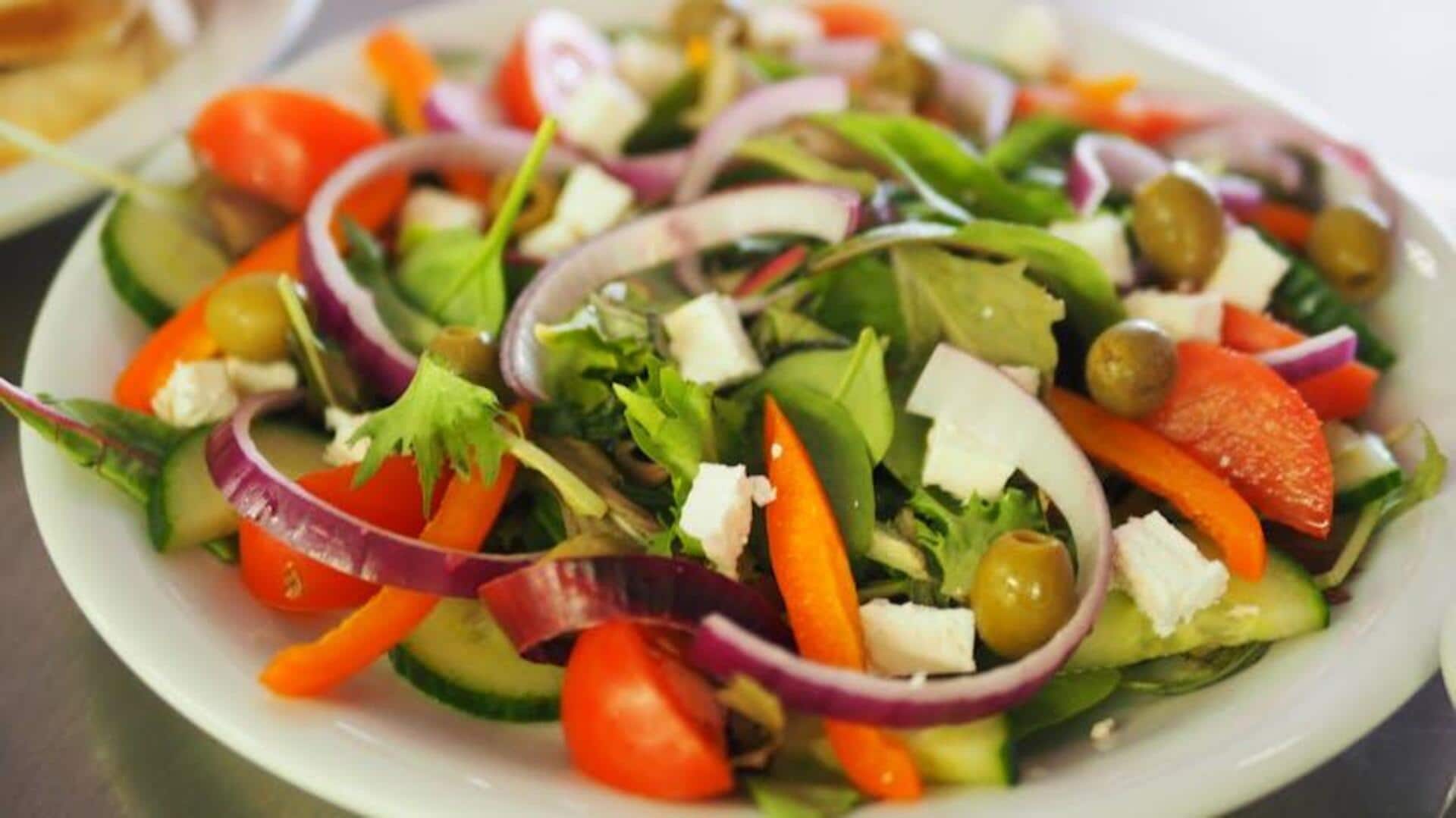
Carrots are often considered the only healthy add-on for salads, but that's far from the truth. A variety of vegetables such as bell peppers, cucumbers, and tomatoes also provide essential nutrients like vitamin C and antioxidants. Adding a variety of vegetables not only improves the taste but also provides a wider range of nutrients that promote overall health.
Nut benefits
Myth: Nuts add too many calories
Many people avoid nuts in salads, believing they add too many calories without any benefits. However, nuts provide protein, fiber, and healthy fats that promote heart health when consumed in moderation. A handful of nuts can add flavor and texture to your salad without compromising your calorie intake if you control portions.
Cheese choices
Myth: All cheese is bad for you
Cheese is often avoided in salads due to the misconception that it's unhealthy or fattening. However, low-fat cheeses such as feta or mozzarella can add flavor without adding too many calories or saturated fats when eaten in moderation. Choosing the right type of cheese makes it possible to enjoy its taste while keeping your diet healthy.