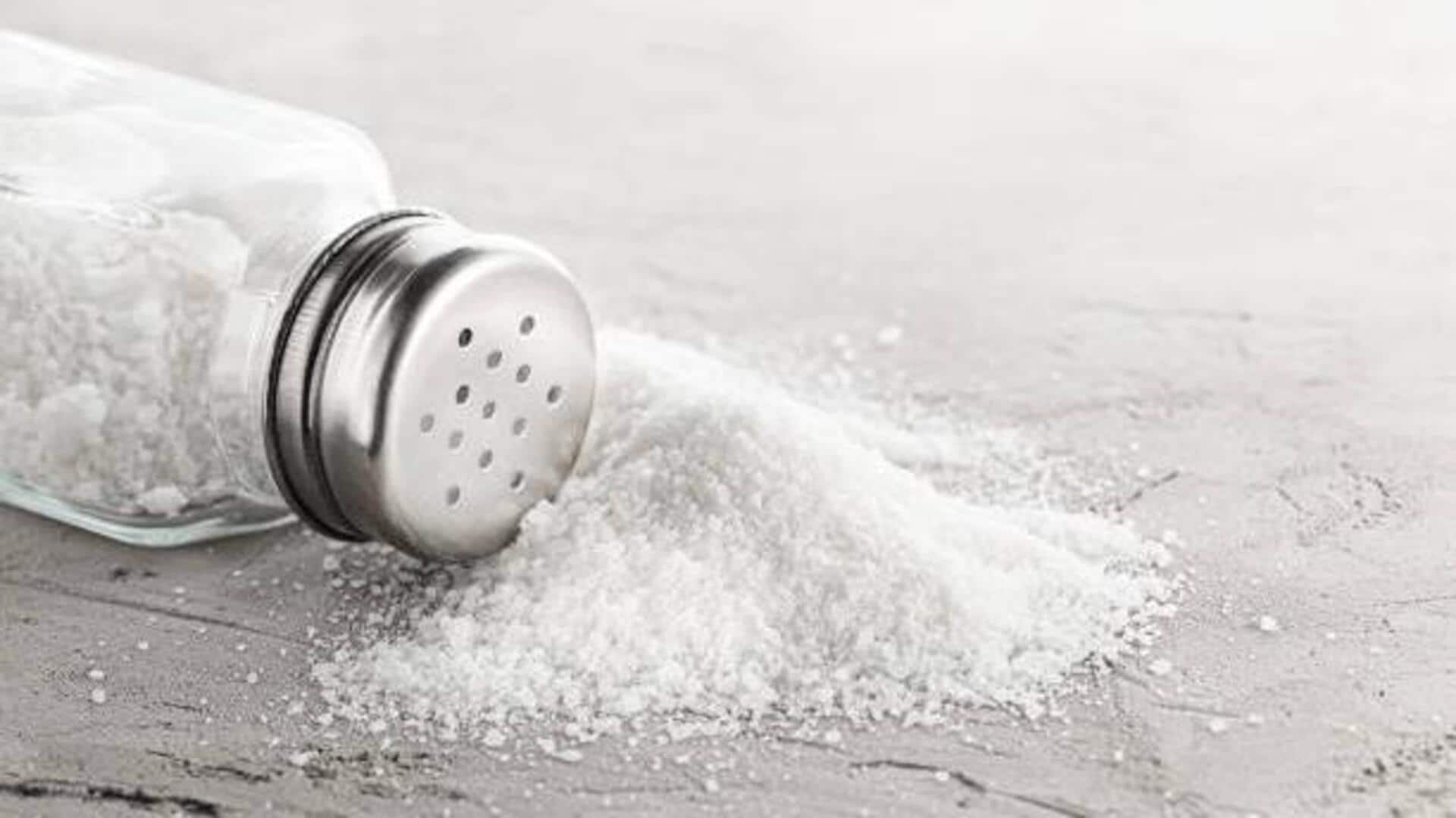
Salt and blood pressure: What you should know
What's the story
Salt has long been blamed for high blood pressure, but the relationship is more complicated than it seems. While sodium intake can affect blood pressure, other factors, such as genetics, lifestyle, and diet, also play a role. Knowing these nuances can help you make better dietary choices without unnecessarily cutting out salt. Here's a look at the real connection between salt and blood pressure.
Sodium's impact
The role of sodium in blood pressure
Sodium is an essential mineral that helps in fluid balance and nerve function.
However, too much sodium can cause the body to retain water, which may increase blood volume and raise blood pressure.
The World Health Organization recommends limiting sodium intake to less than 2,000 milligrams per day to reduce the risk of hypertension.
Beyond Salt
Other factors influencing blood pressure
While sodium is important, it is not the only thing that affects blood pressure.
Genetics also plays a major role, with some people being more prone to high blood pressure than others.
Lifestyle factors, such as physical activity levels, weight management, and stress levels, are equally important in determining overall cardiovascular health.
Nutrient balance
Dietary choices beyond salt reduction
Instead of just cutting down on salt, focus on a balanced diet rich in fruits, vegetables, whole grains, and lean proteins.
These foods provide essential nutrients that promote heart health and help maintain healthy blood pressure levels.
Potassium-rich foods like bananas and spinach can help counteract some of the effects of sodium.
Checkups matter
Monitoring your health regularly
Regular health checkups are important to keep track of your blood pressure levels and overall health.
If you are worried about your blood pressure, it is best to consult a healthcare professional, who can provide personalized advice based on your medical history and lifestyle.