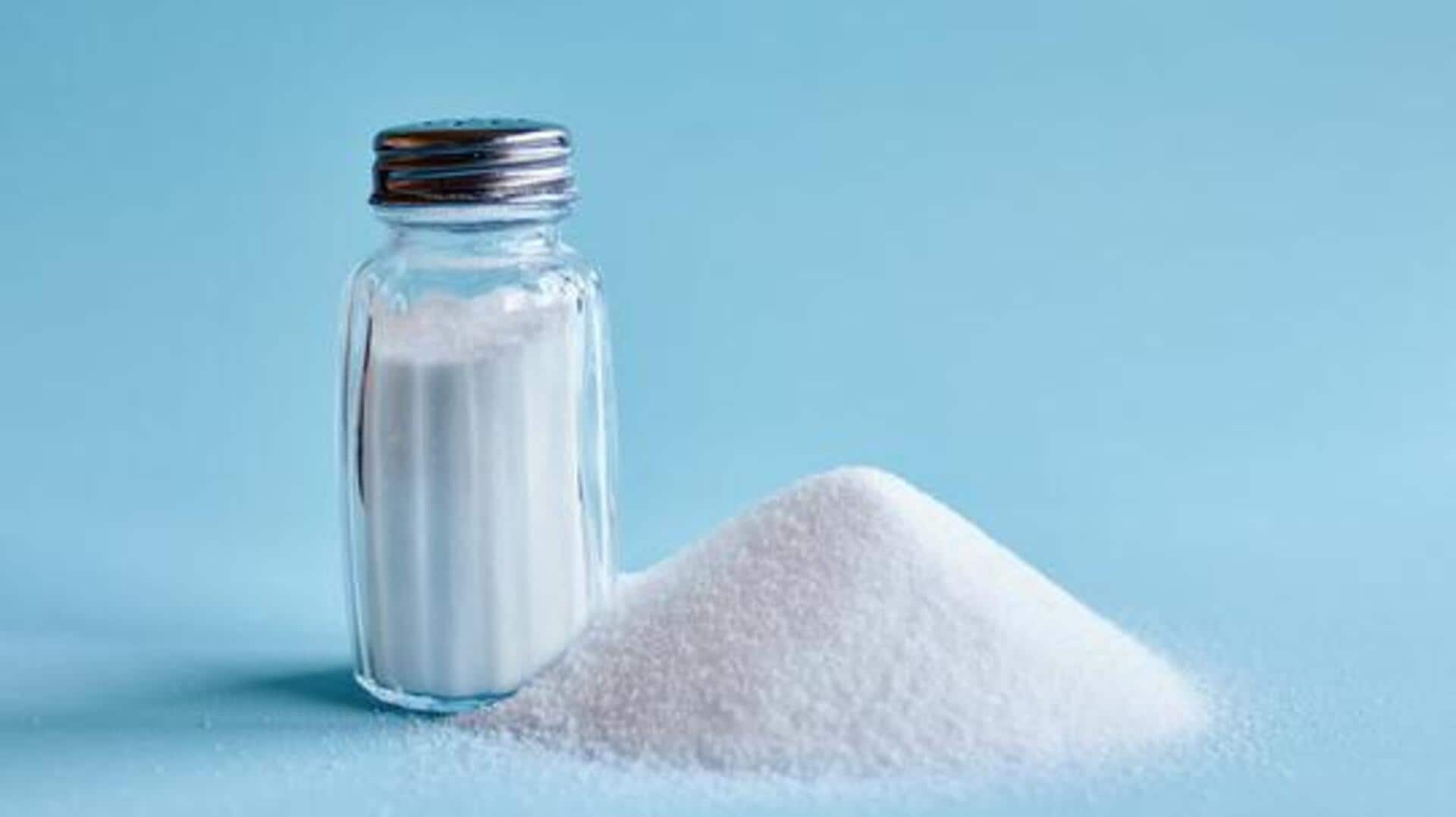
Do salt cravings mean sodium deficiency?
What's the story
Salt cravings are often associated with a sodium deficiency, but that's not always the case. While our bodies do require sodium for various functions, craving salt isn't always a sign of lacking it. Several factors can contribute to sudden salt cravings, and knowing them can help you address the issue more effectively. Here are some insights into what might be causing your salt cravings and how to manage them.
Stress impact
Stress and adrenal function
When you're stressed, your body releases hormones that can affect your craving for salt.
The adrenal glands, which help manage stress, may signal a need for more sodium when they're overworked.
This doesn't mean you're deficient in sodium but rather that your body is responding to increased stress levels by craving foods high in salt.
Hydration needs
Dehydration signals
Sometimes, what feels like a salt craving is actually your body asking for more fluids.
Dehydration can make you crave salty foods as they stimulate thirst and encourage fluid intake.
Drinking enough water throughout the day can help satisfy this craving without having to consume excess salt.
Emotional influence
Emotional eating patterns
Salt cravings can also be a form of emotional eating.
Many people associate salty snacks with comfort or nostalgia, leading them to seek out these foods during times of emotional distress or boredom.
Recognizing this pattern can help you find healthier coping mechanisms instead of reaching for salty snacks.
Diet check
Nutritional imbalances
A diet low in certain nutrients like magnesium or calcium may lead to increased salt cravings.
These minerals work closely with sodium in the body, and an imbalance may trigger a desire for more salty foods.
Ensuring a balanced diet rich in essential nutrients can help reduce these cravings naturally.
Routine influence
Habitual behavior patterns
Sometimes, frequent consumption of salty foods becomes a habit, not a necessity.
Over time, this habit may create a psychological craving for salt, even when the body doesn't need it.
Breaking this cycle requires conscious effort and a gradual reduction of salt intake, focusing on healthier eating habits.
This approach helps in managing cravings effectively and promotes a healthier lifestyle.