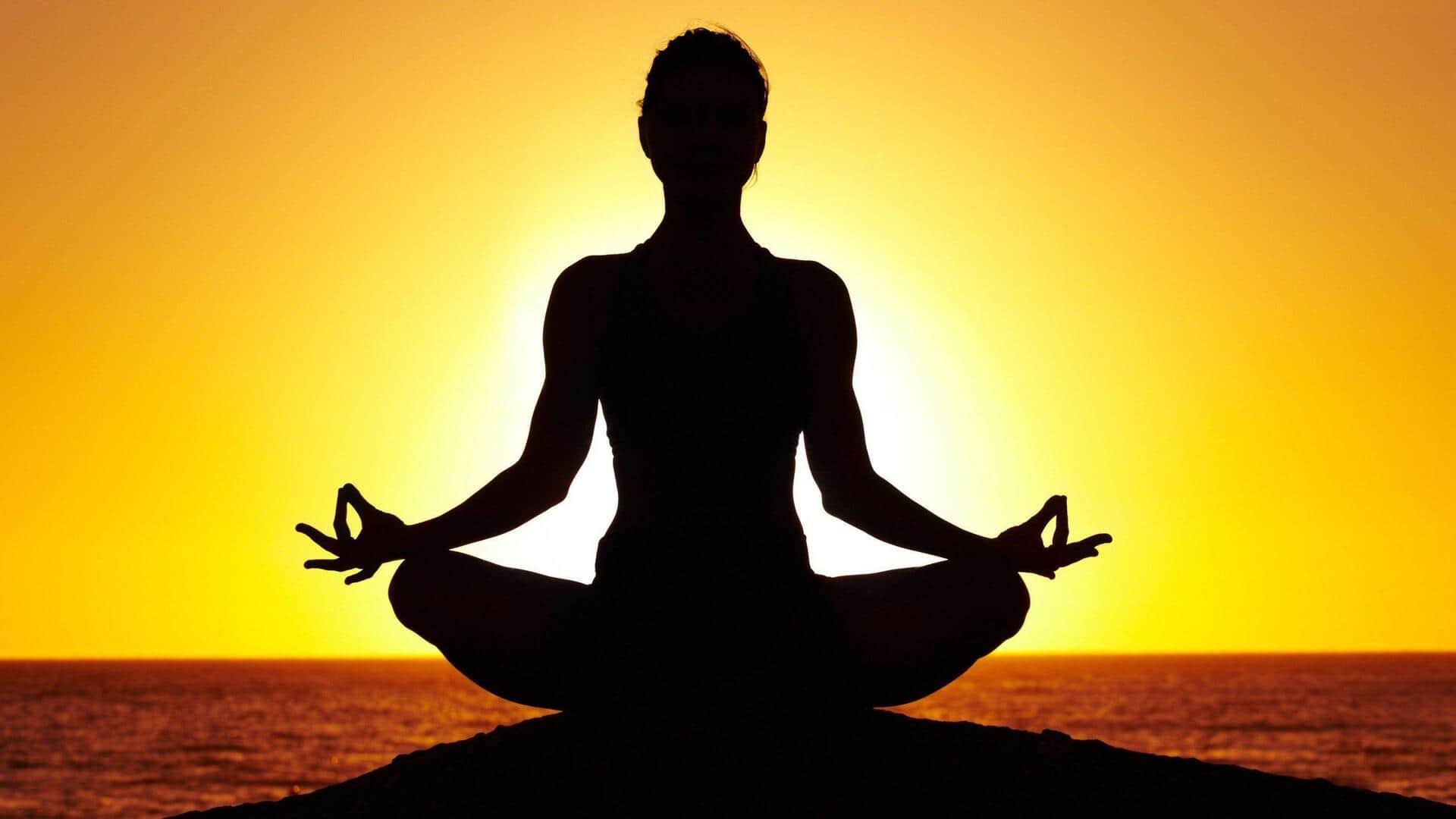
Guided relaxation exercises: A powerful self-care practice
What's the story
Guided relaxation exercises can be a powerful tool for beginners looking to improve their self-care routine. These exercises help reduce stress, improve focus, and promote overall well-being. By incorporating simple techniques into daily life, individuals can experience significant benefits without requiring extensive time or resources. Here are five beginner-friendly guided relaxation exercises that can easily be integrated into any self-care regimen.
Breathing
Deep breathing techniques
Deep breathing is a simple yet effective relaxation technique.
It involves inhaling deeply through the nose, holding the breath for a few seconds, and exhaling slowly through the mouth.
This practice helps calm the nervous system and reduces anxiety levels.
Beginners can start with five minutes of deep breathing each day, gradually increasing the duration as they become more comfortable with the process.
Muscle relaxation
Progressive muscle relaxation
Progressive muscle relaxation (PMR) involves tensing and then relaxing different muscle groups in the body.
The exercise usually starts from the toes and moves up to the head, or vice versa.
By focusing on each muscle group, PMR helps release physical tension and promotes mental clarity.
Beginners should aim for ten minutes of PMR daily to start noticing its calming effects.
Imagery exercises
Guided imagery exercises
Guided imagery exercises involve visualizing peaceful scenes or scenarios to promote relaxation.
This technique engages the imagination to create a sense of calmness and tranquility.
Beginners can listen to audio recordings or follow scripts that guide them through soothing visualizations, such as a serene beach or a quiet forest.
Spending about 15 minutes on guided imagery can significantly reduce stress levels.
Mindfulness practices
Mindful meditation practices
Mindful meditation focuses on being present in the moment without judgment.
It involves paying attention to thoughts, feelings, and sensations as they arise, while maintaining an attitude of acceptance.
Beginners can practice mindful meditation by sitting quietly for five to 10 minutes each day, focusing on their breath or body sensations.
Yoga Nidra
Yoga Nidra sessions
Yoga nidra is a form of guided meditation that induces deep relaxation while keeping you awake and aware.
It is often referred to as yogic sleep because it takes you to a state between wakefulness and sleep.
In yoga nidra sessions, practitioners are guided through body scans and visualizations that promote profound restfulness.
This practice is especially beneficial for beginners seeking restorative self-care.