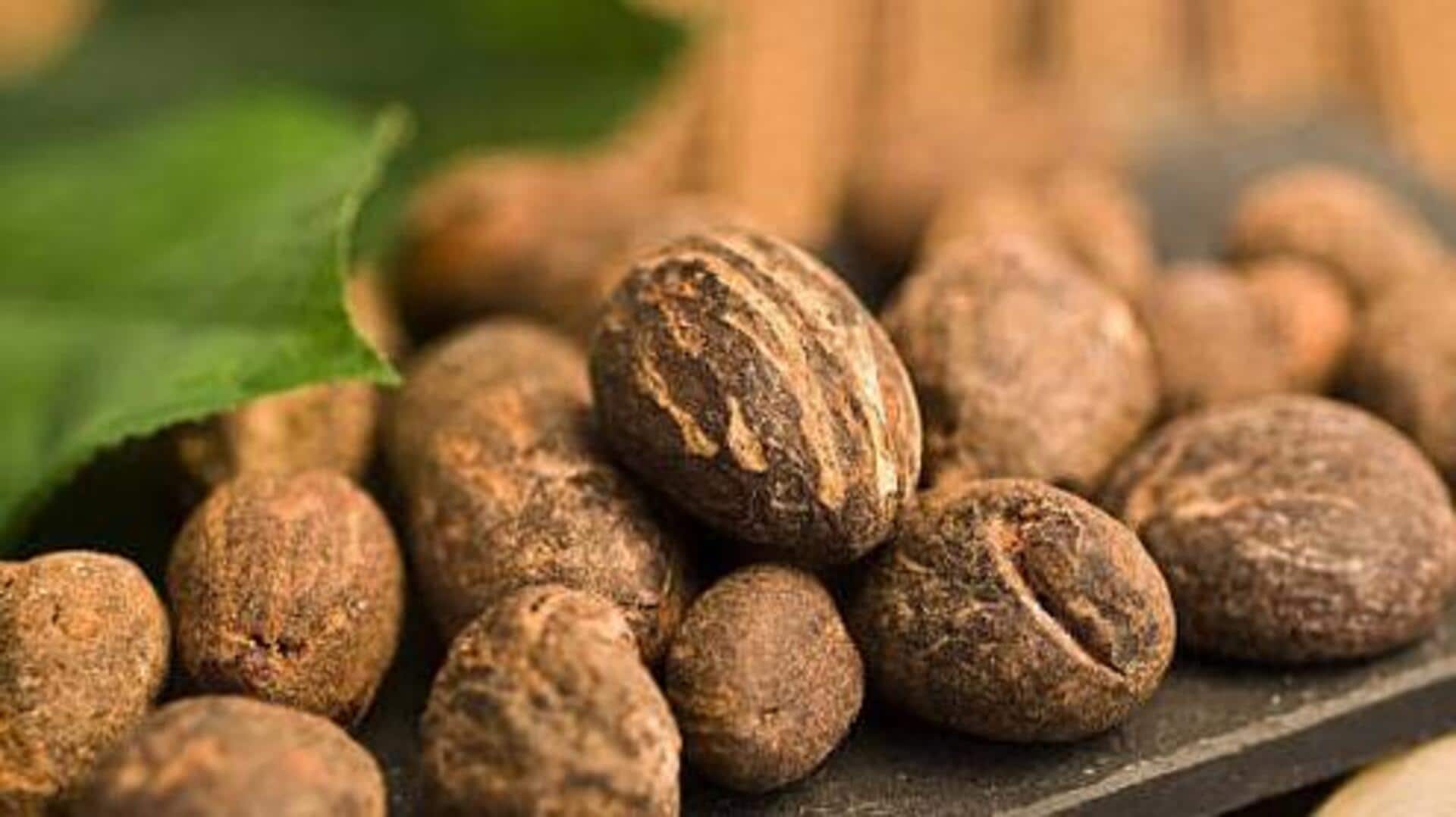
Shea seeds: A nutritious addition to your meals
What's the story
Shea seeds, a staple in many African cuisines, are now making their way into the mainstream as a nutritious food option. Extracted from the shea tree, these seeds are packed with essential nutrients and can be used in various culinary applications. As more people look for diverse and healthy food options, shea seeds present an interesting choice for those wanting to try something new. Here is how shea seeds can be integrated into daily meals.
#1
Nutritional benefits of shea seeds
Shea seeds are loaded with vital nutrients, such as protein, fiber, and healthy fats.
They also contain vitamins and minerals, such as vitamin A, vitamin E, calcium, and potassium.
The high fiber content helps with digestion, while the healthy fats promote heart health.
Including shea seeds in your diet can help you meet your daily nutritional needs without having to depend on supplements.
#2
Versatile culinary uses
Incorporating shea seeds into your meals is easy, given their versatility.
You can grind them into flour for baking, or use them whole in salads and soups for added texture.
They can also be roasted and eaten as a snack, or blended into smoothies for an extra nutrient boost.
The mild flavor of shea seeds makes them adaptable to various dishes without overpowering other ingredients.
#3
Sustainable farming practices
The cultivation of shea trees is also an environmentally sustainable practice that supports local economies in Africa.
Shea trees grow well in arid conditions where other crops may not thrive, making them an ideal choice for sustainable agriculture.
By supporting the use of shea seeds, consumers contribute to sustainable farming practices that benefit both the environment and local communities.
#4
Economic impact on local communities
The production and sale of shea seeds provide a vital source of income for many rural communities across Africa.
Women, in particular, are often at the forefront of shea nut processing, which gives them financial independence, and boosts community development projects.
By choosing products made with shea seeds, consumers can directly support these communities and contribute to economic growth.