How to prepare for skiing on Mount Kenya
What's the story
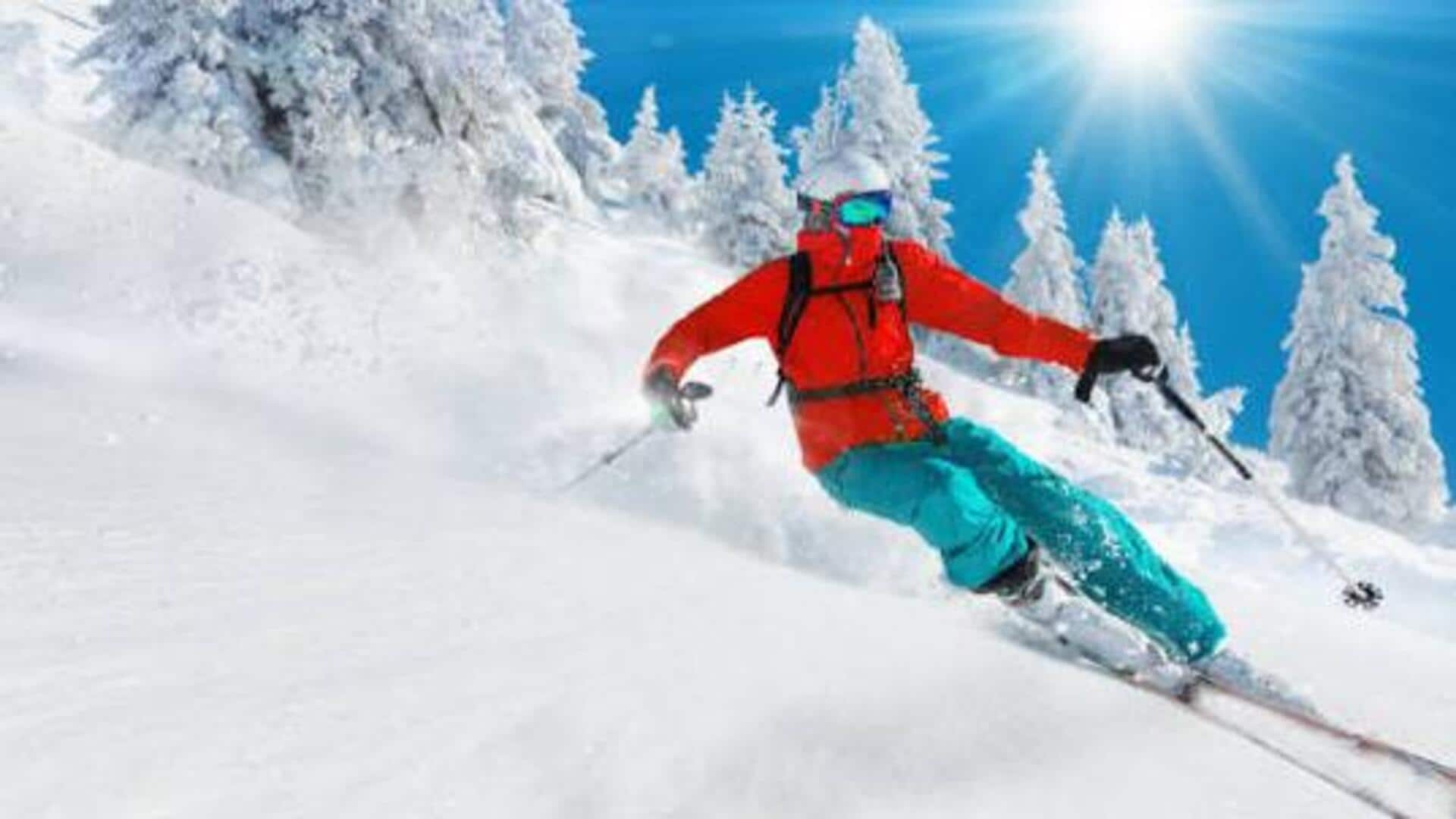
Mount Kenya, Africa's second highest peak, is not just a climber's paradise but also a year-round skiing destination. With its diverse terrain and unpredictable weather, it offers a unique skiing experience. From beginners to advanced skiers, the mountain has something for everyone. The slopes are accessible throughout the year, making it an attractive option for skiing enthusiasts looking for adventure off the beaten path.
#1
Understanding Mount Kenya's terrain
Mount Kenya's terrain is as diverse as it is challenging.
The mountain has glaciers, rocky outcrops, and snow-covered slopes that make for an interesting skiing experience.
The lower slopes are ideal for beginners with gentler inclines, while advanced skiers can test their skills on steeper trails.
The varying altitudes also mean different weather conditions, so skiers must be prepared for sudden changes in climate.
#2
Weather patterns affecting skiing
Weather on Mount Kenya can be unpredictable, which is why skiers must be prepared for anything.
Temperatures can go from warm at lower altitudes to freezing near the summit.
Snowfall is common in certain months, but it can happen at any time of the year.
Skiers must check weather forecasts before heading out and dress accordingly to stay safe and comfortable.
#3
Essential gear for skiing on Mount Kenya
Proper gear is essential for a safe and enjoyable skiing experience on Mount Kenya.
Skiers should invest in high-quality boots, poles, and skis designed for varied terrain.
Layered clothing is recommended to deal with fluctuating temperatures, while gloves and goggles provide protection from cold winds and bright sunlight at higher altitudes.
Tip 1
Tips for safe skiing adventures
Safety should always be a priority when skiing on Mount Kenya.
Skiers should never venture out alone; a guide or a group is always recommended.
It is also important to stay hydrated, as the altitude can lead to dehydration quickly.
Knowing basic first aid, and having emergency supplies on hand, can make a difference in case of unforeseen circumstances.