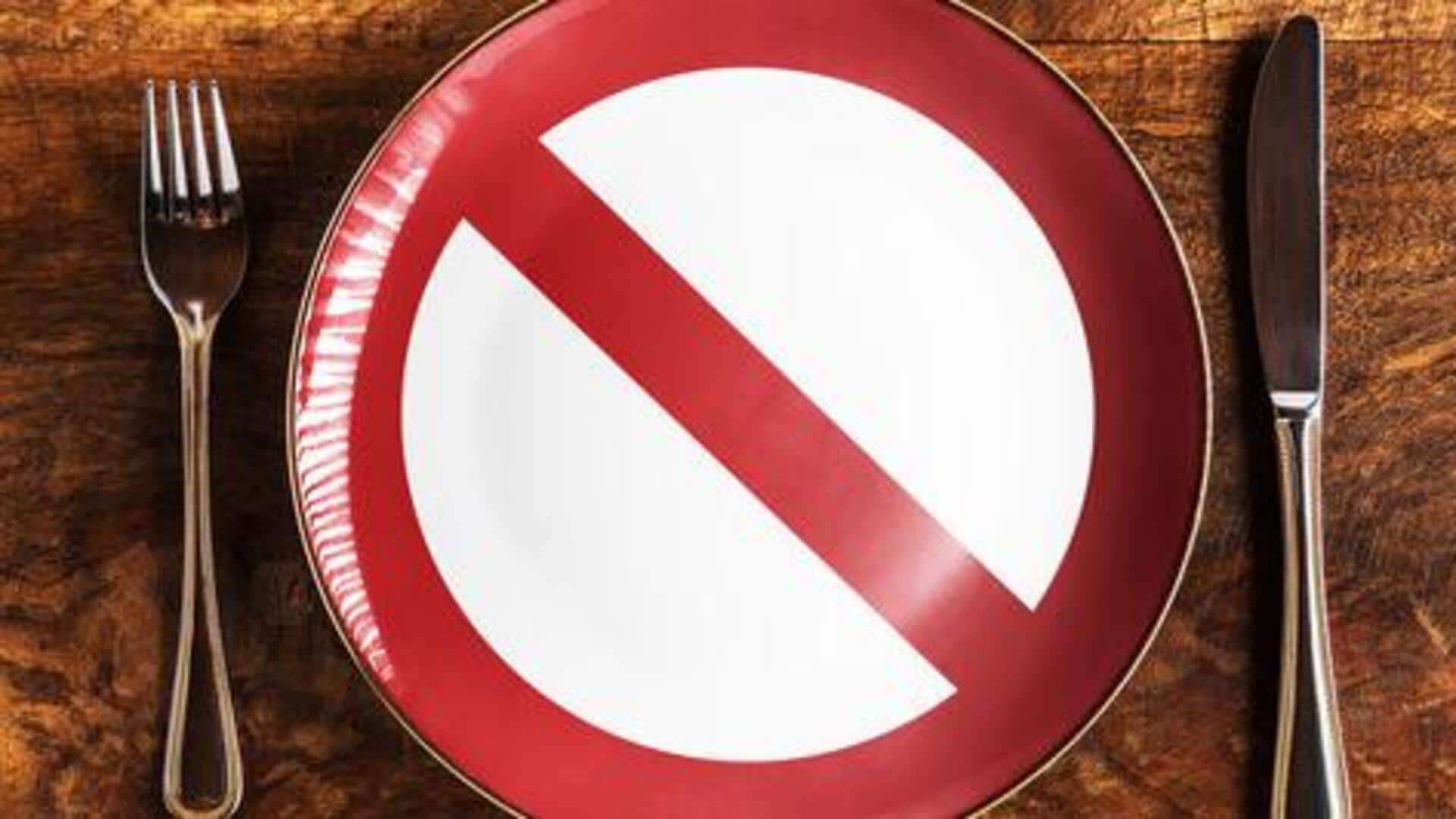
Does skipping breakfast burn more fat?
What's the story
The idea of skipping breakfast to lose weight has become quite popular, but is it really effective? Many believe that missing the first meal of the day can help cut down on calories and promote weight loss. However, research provides a different perspective. Here, we explore the science behind breakfast and its role in weight management, debunking myths with factual insights.
Metabolism
Breakfast's role in metabolism
Eating breakfast can kickstart your metabolism for the day. When you eat after a long overnight fast, your body gets the signal to start burning calories again. Skipping breakfast may slow down your metabolism, as your body goes into conservation mode, saving energy by burning fewer calories throughout the day.
Hunger
Impact on hunger levels
Skipping breakfast often leads to increased hunger later in the day. This can result in overeating during subsequent meals, as you try to compensate for missed calories. Studies show that people who eat a balanced morning meal tend to have better appetite control, making it easier to manage portion sizes later on.
Nutrients
Nutrient intake considerations
Breakfast is an opportunity to consume essential nutrients that support overall health and well-being. A balanced morning meal can provide vitamins, minerals, and fiber that might be missed if you skip this important meal. Regularly eating breakfast helps ensure adequate nutrient intake without having to rely on supplements.
Psychology
Psychological effects of skipping meals
The psychological effects of skipping breakfast shouldn't be ignored either. For some, not eating in the morning can lead to feelings of deprivation or guilt, which may affect long-term dietary habits negatively. Eating regularly helps maintain a positive relationship with food by establishing consistent eating patterns.