Skipping v/s hula hooping: Which is better for you?
What's the story
Skipping and hula hooping are two popular forms of exercise that provide a fun way to stay fit. Both exercises have their own unique benefits and can be included in a daily routine to improve fitness levels. While skipping is a high-intensity cardio workout, hula hooping focuses on core strength and flexibility. Knowing the benefits of both can help you choose the right exercise for your fitness goals.
#1
Cardiovascular benefits of skipping
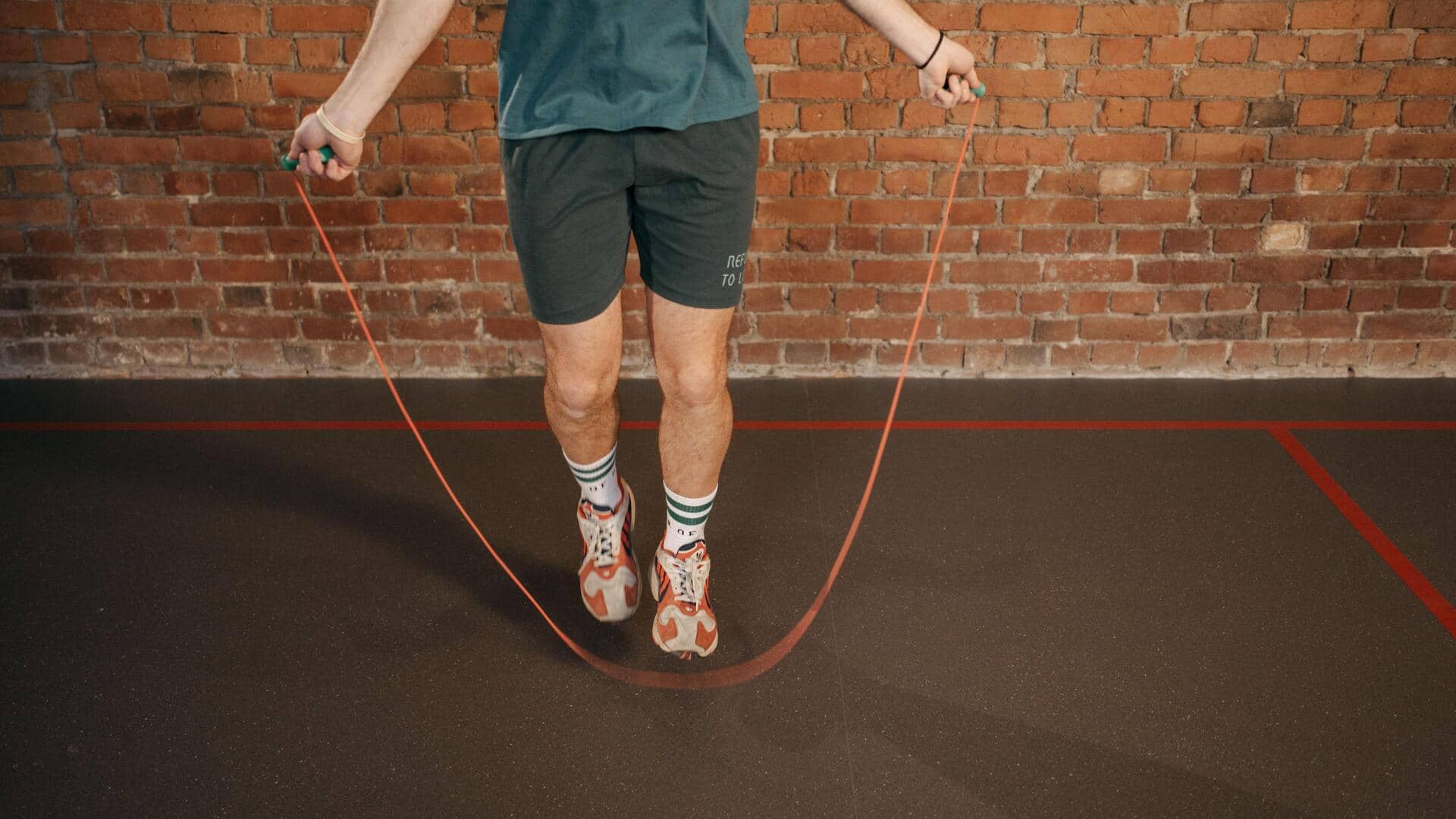
Skipping is an excellent cardiovascular workout that elevates heart rate and improves circulation.
It is said that just 10 minutes of skipping can burn as many calories as 30 minutes of jogging.
The rhythmic nature of skipping helps in building endurance and stamina over time.
Regular skipping sessions can improve heart health by strengthening the heart muscle and lowering the risk of cardiovascular diseases.
#2
Core strengthening with hula hooping
Hula hooping is a fun way to build core strength, as it requires constant engagement of the abdominal muscles to keep the hoop in motion.
This exercise improves balance and coordination, while also toning the waistline.
Studies show that 30 minutes of hula hooping can burn around 150 calories, making it an effective way to lose weight while toning your core.
#3
Flexibility improvements from hula hooping
Hula hooping also improves flexibility, as it involves a range of motion that stretches various muscle groups.
The circular movements increase the flexibility of the hips, shoulders, and back.
Over time, this increased flexibility can lead to better posture, and reduced muscle tension.
Incorporating hula hooping into your routine may also enhance your overall mobility.
#4
Caloric burn comparison: Skipping vs hula hooping
When it comes to caloric burn, skipping takes the cake with its high-intensity nature.
A person weighing around 70 kg can burn around 13 calories per minute by skipping at a moderate pace.
Hula hooping, on the other hand, burns around seven calories per minute for the same person at a moderate pace.
Both exercises have their own caloric burn rates based on intensity levels.